

CH 35History & technology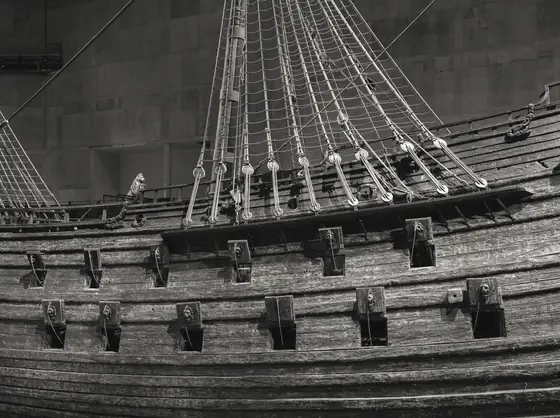

The ship that heeled too far
Vasa (ship)
Vasa, 1628: a warship that capsized in Stockholm harbour on her maiden voyage
Dossier · 12 case files · 1628–2023
Bridges that twisted, walkways that fell, hulls that cracked and a skyscraper repaired at night: how structures fail and what the evidence shows.
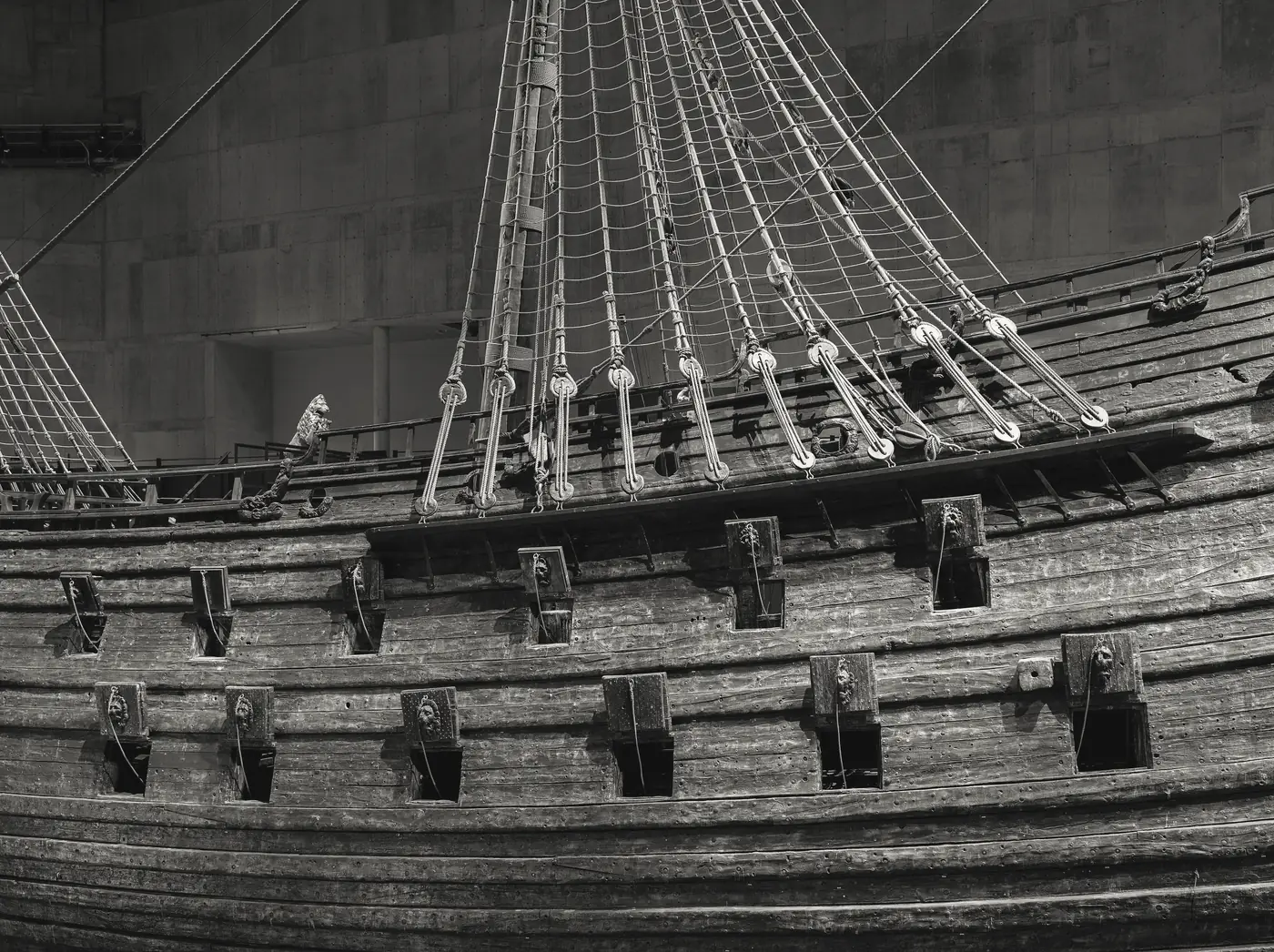
Backdrop: The Vasa seen from the side in the Vasa Museum, Stockholm. Jules Verne Times Two · CC BY-SA 4.0 · Wikimedia Commons. Figure: Gustav II Adolf (Gustavus Adolphus). King of Sweden who was at war with Poland-Lithuania and pressed for the Vasa to be sent to sea (17th century). Paulus Pontius · Public domain · Wikimedia Commons.
A structure fails when a load finds a path its designers did not check: wind from an unexpected angle, a connection detail changed during construction, steel that turns brittle in the cold, or a crack that grows a little with every cycle until the remaining metal cannot hold.
These investigations follow inquiry reports, engineering papers and the surviving physical evidence. They show how calculations, materials, construction changes and inspection regimes combine, and why some of the most instructive cases are the ones where someone noticed the problem in time.
In date order of the event. Each file is a full investigation: briefing, source-linked evidence, reasoning steps and findings.
CH 35History & technology
Vasa (ship)
Vasa, 1628: a warship that capsized in Stockholm harbour on her maiden voyage
CH 38History & technology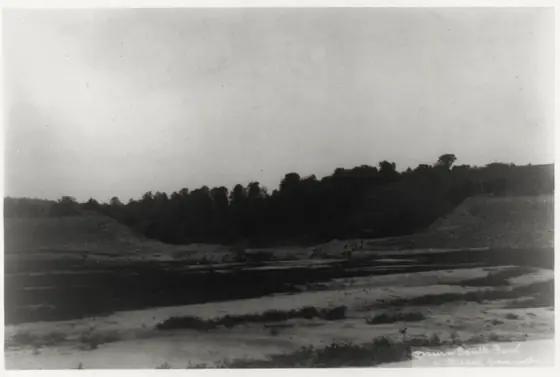
Johnstown Flood
Johnstown Flood, 1889: why the South Fork Dam failed, and what the record can say about responsibility
CH 25Engineering & technology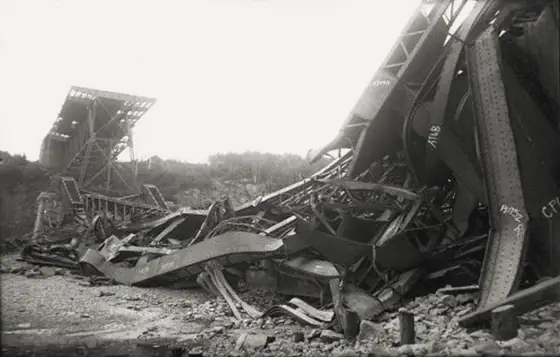
Quebec Bridge collapse
Quebec Bridge, 1907: how an estimated weight became a structural failure
CH 78History & technology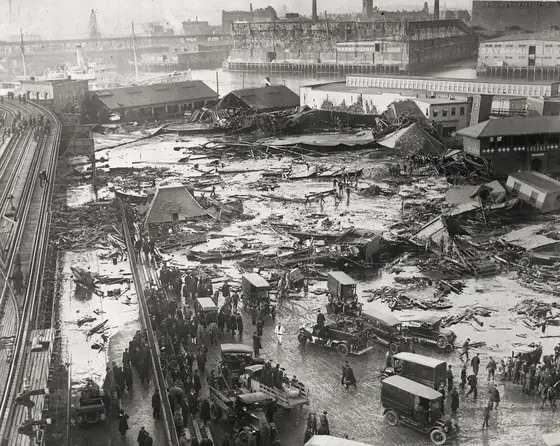
Great Boston Molasses Flood (1919)
Boston, 1919: why did a storage tank burst and send a deadly wave through the North End?
CH 01Engineering & technology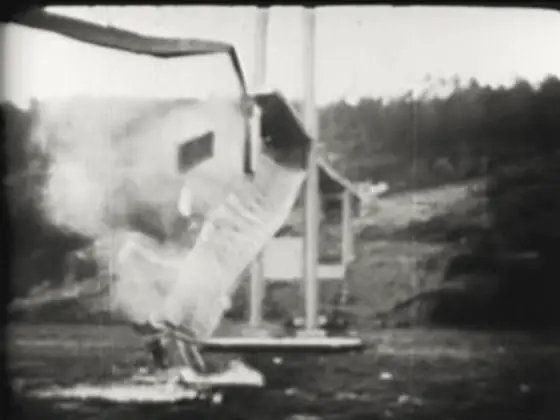
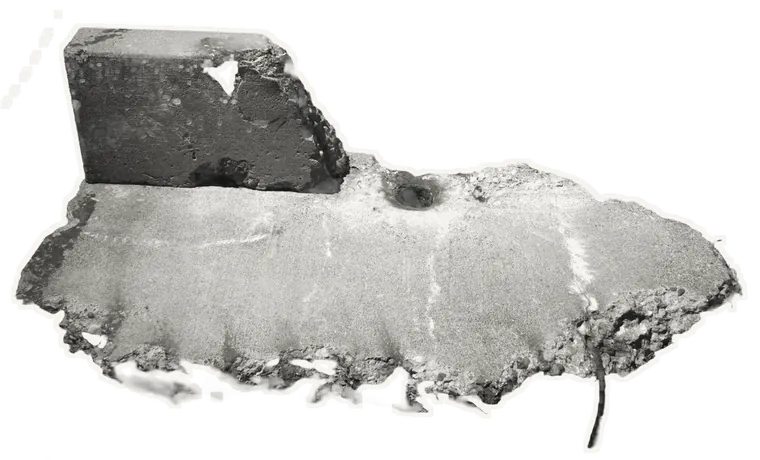
Tacoma Narrows Bridge
Tacoma Narrows, 1940: follow the energy, not just the wind
CH 26Engineering & technology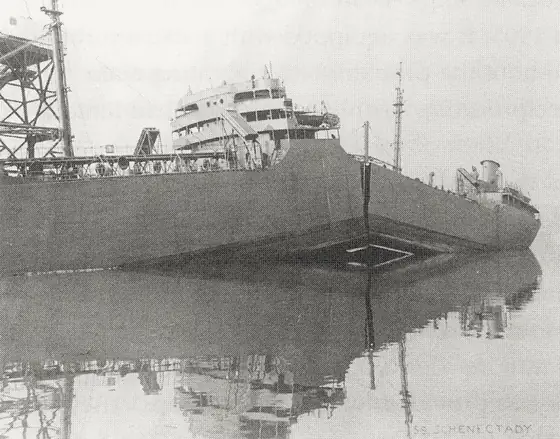
Liberty ships and T2 tanker fractures
Schenectady and the Liberty fleet, 1943: why welded hulls split
CH 27Engineering & technology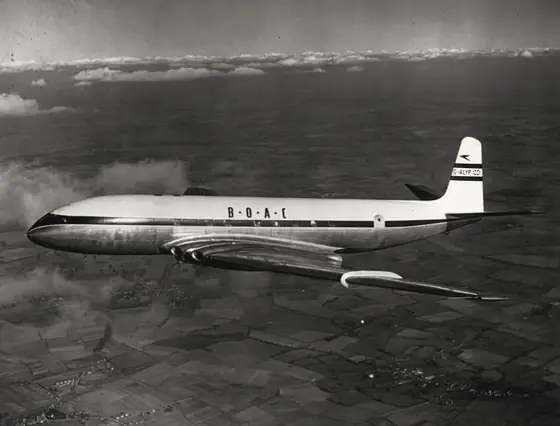
de Havilland Comet losses, 1954
de Havilland Comet losses, 1954: pressurized-cabin fatigue and the tank tests
CH 28Engineering & technology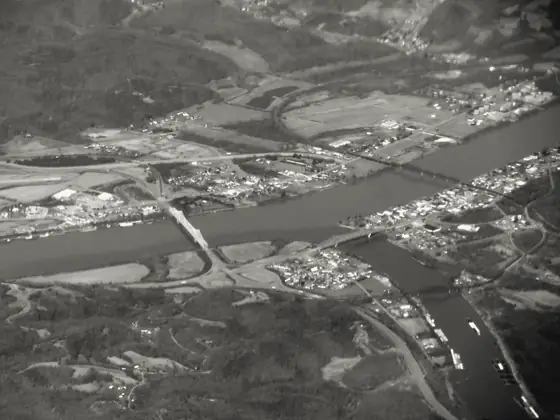
Silver Bridge collapse
Silver Bridge, 1967: how did a flaw in one eyebar bring down the span?
CH 69Engineering & technology
Citicorp Center wind-bracing crisis (1978)
Citicorp Center, New York, 1978: how did the engineer find that the tower could fall in a storm, and what made the risk worse?
CH 05Engineering & technology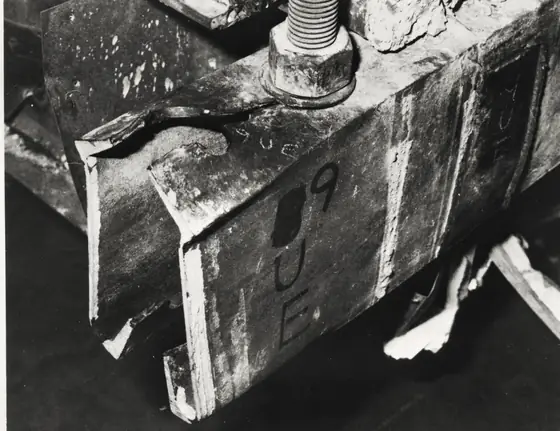
Hyatt Regency walkway collapse
Kansas City, 1981: trace where the weight goes
CH 34Engineering & technology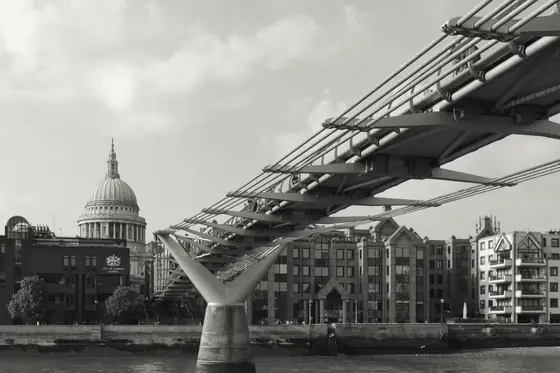
London Millennium Bridge sway
London Millennium Bridge, 2000: why a crowd made a footbridge sway
CH 66Engineering & technology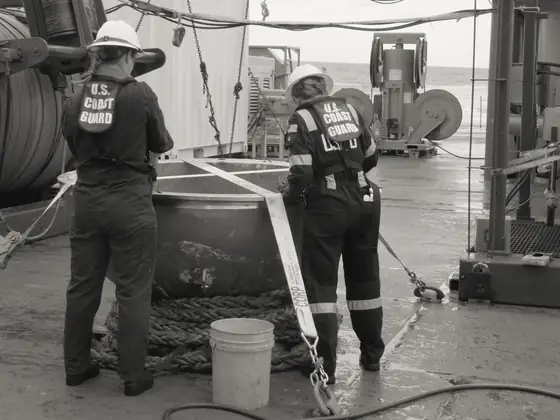
Titan submersible implosion (2023)
Titan submersible, 2023: what did the hull’s own monitoring data show before the final dive?
From the journal
Fatigue and fracture: how structures fail without warningMetal can crack under repeated loads, break when cold or fail where stress concentrates. Learn the main patterns and the questions that expose them early.Feedback loops in structures: when motion feeds its own forceSome structures change the forces acting on them. Learn to spot feedback loops in bridges, crowds and power grids before they grow.How to read an accident report: findings, causes and limitsOfficial investigation reports separate what was measured from what was concluded and what should change. Learn to read each layer and test its claims.Other topicsSoftware failures 15Aviation and spaceflight 16Energy and power grids 7Medicine and public health 11Mysteries and open questions 7Extraordinary claims and replication 9Markets, money and fraud 6Weather, climate and the Earth 11Ships and the sea 9Investigations from the 2020s 12Astronomy and physics 13