

CH 09Science & Discovery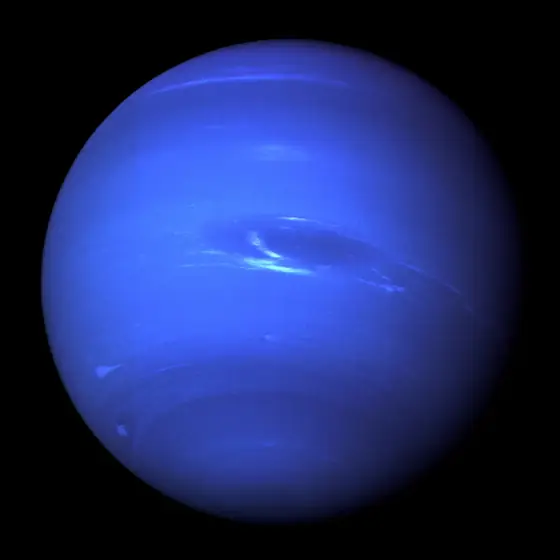
Dossier · 13 case files · 1846–2015
Discoveries in astronomy and physics, investigated.
A planet found by its pull, the Big Bang's afterglow, pulsars, gravitational waves and a famous null result: how physics turned anomalies into knowledge.
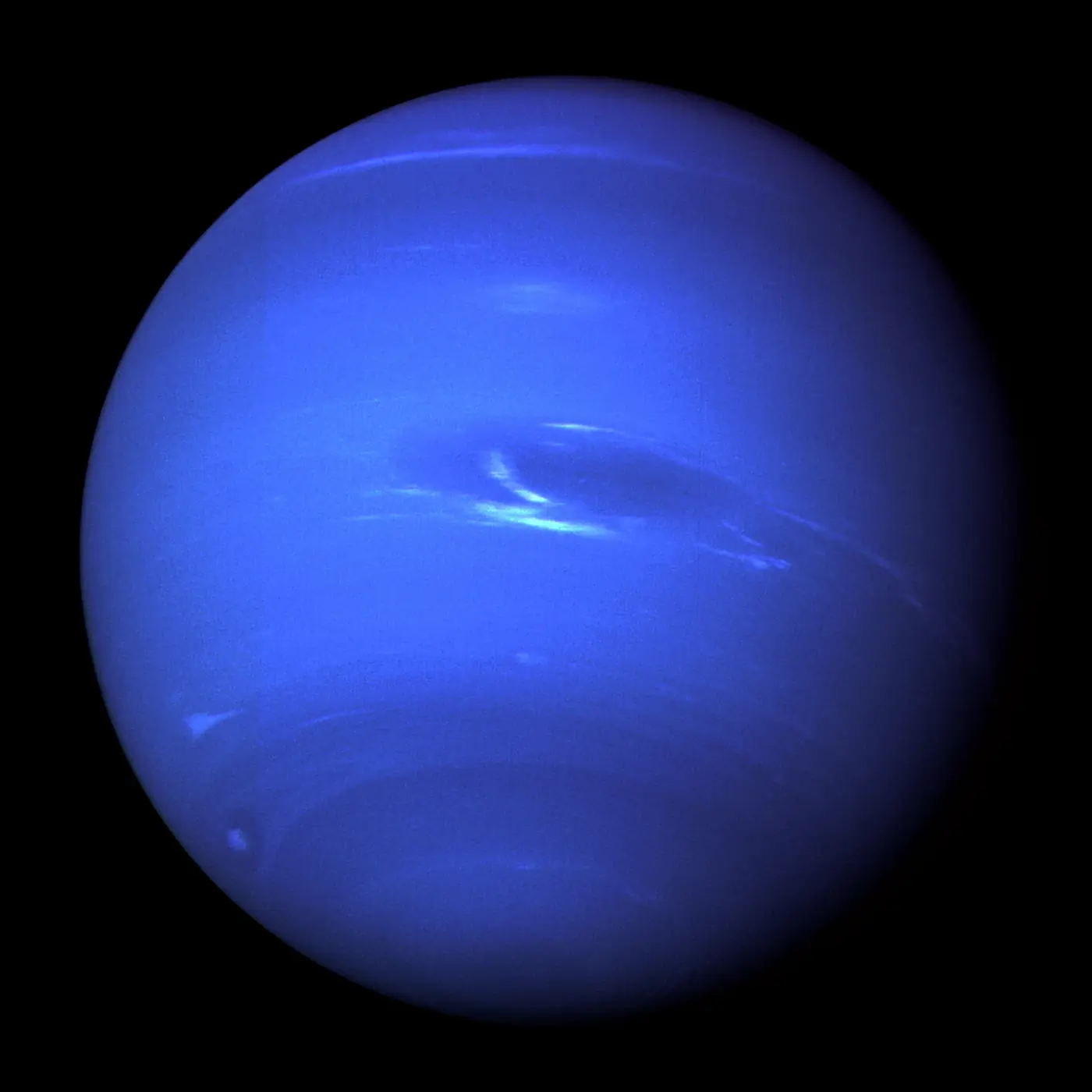
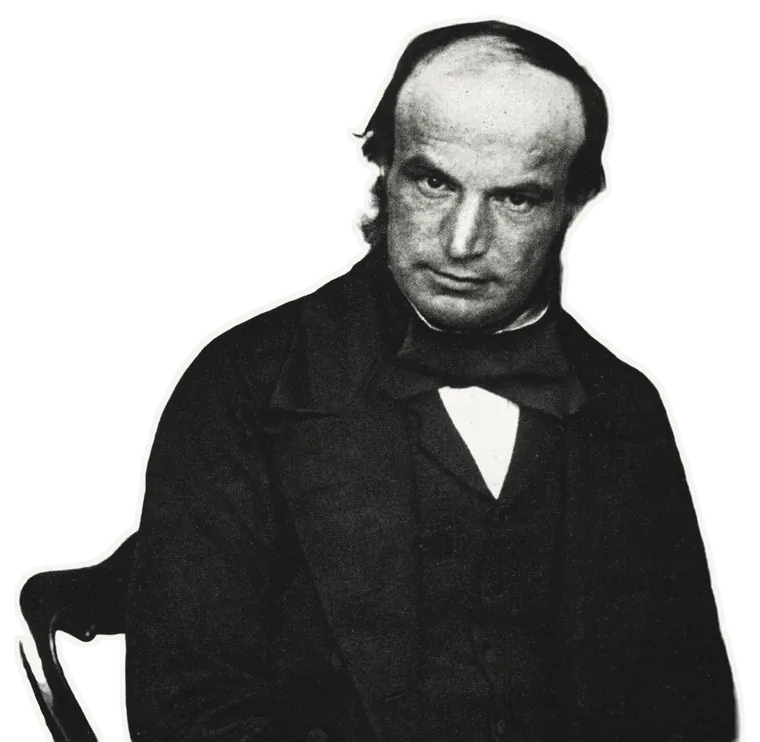
Backdrop: Neptune photographed by Voyager 2 in 1989. In 1846 it was found because Uranus kept drifting from its predicted path. NASA · Public domain · Wikimedia Commons. Figure: John Couch Adams. Mathematician who also worked out where an unseen planet should be, in the 1840s (c. 1870). Unknown photographer · Public domain · Wikimedia Commons.
Physics advances by taking small mismatches seriously. Uranus wanders from its predicted path, a radio antenna hears a hiss from every direction, a chart recorder shows a scruff that keeps time, two detectors thousands of kilometres apart register the same chirp.
These investigations follow the original papers and observatory records. They ask how each anomaly was separated from instrument error, what independent checks confirmed it, and how some celebrated results, a null result among them, were discoveries in their own right.
In date order of the event. Each file is a full investigation: briefing, source-linked evidence, reasoning steps and findings.
CH 82Science & Discovery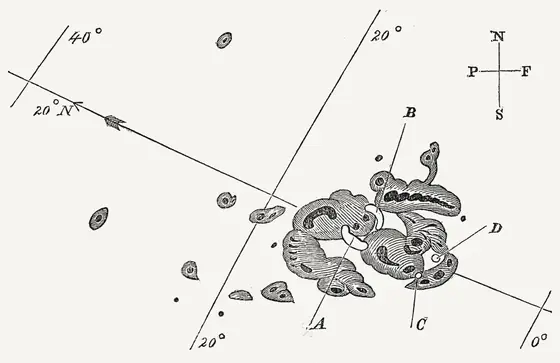
The flare nobody measured
Carrington Event (1859)
Solar storm, 1859: how large was the flare that preceded it?
CH 47Science & Discovery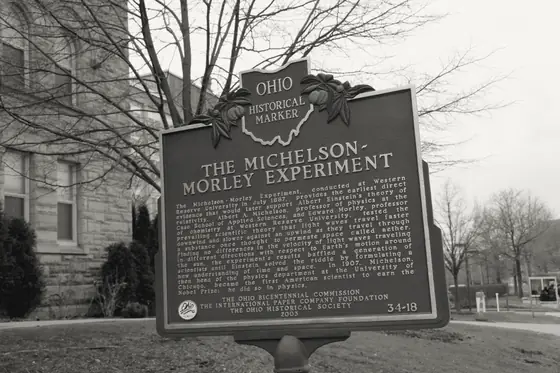
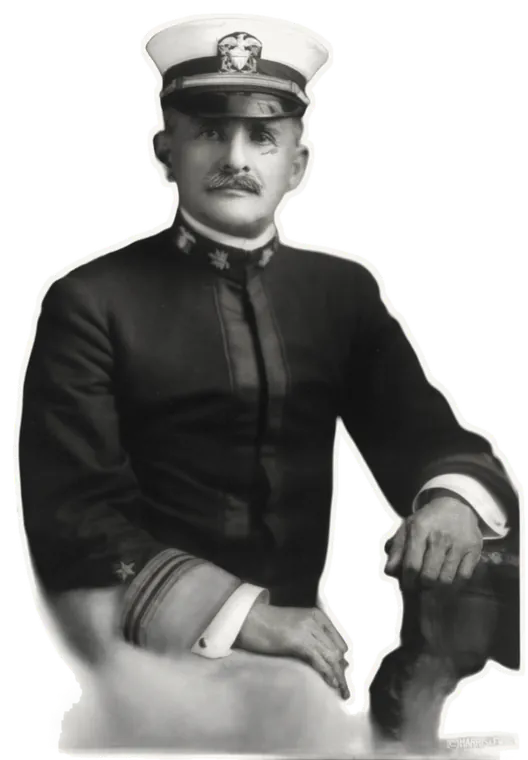
A fringe that barely moved
Michelson-Morley experiment
Cleveland, 1887: why an interferometer test of Earth's motion through the ether found almost nothing
CH 50Science & Discovery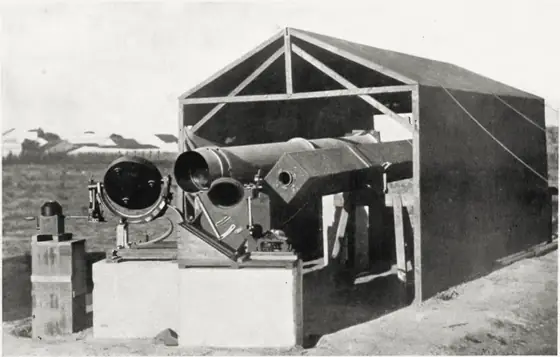
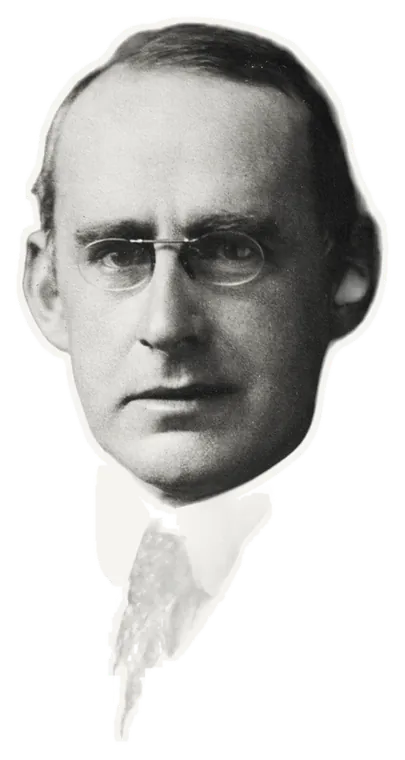
Starlight bent by the Sun
1919 eclipse test of general relativity
Sobral and Príncipe, 1919: did the eclipse photographs settle a test of general relativity?
CH 51Science & Discovery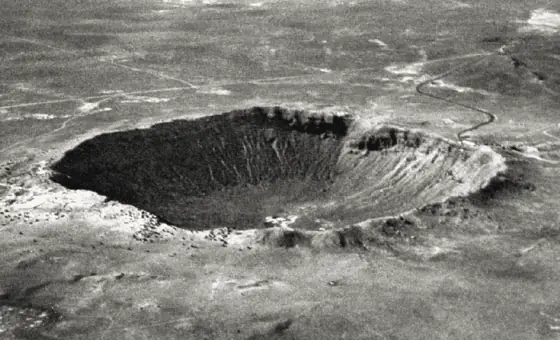
The lead that dated the Earth
Lead isotope dating of the Earth and leaded gasoline
Caltech, 1950s: what did lead from an iron meteorite date, and why did ordinary lead keep interfering with the measurement?
CH 10Science & Discovery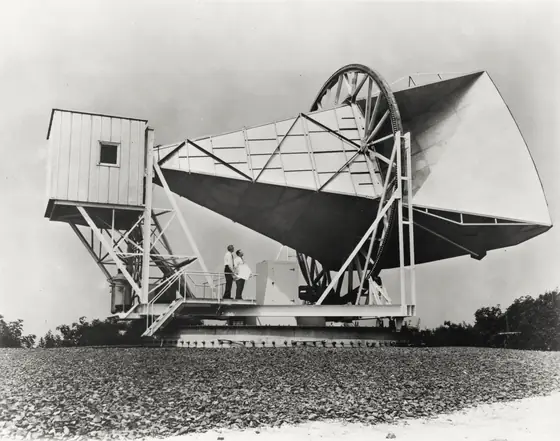

The Noise That Filled the Sky
Cosmic microwave background
An antenna’s unwanted signal becomes a cosmological clue.
CH 11Science & Discovery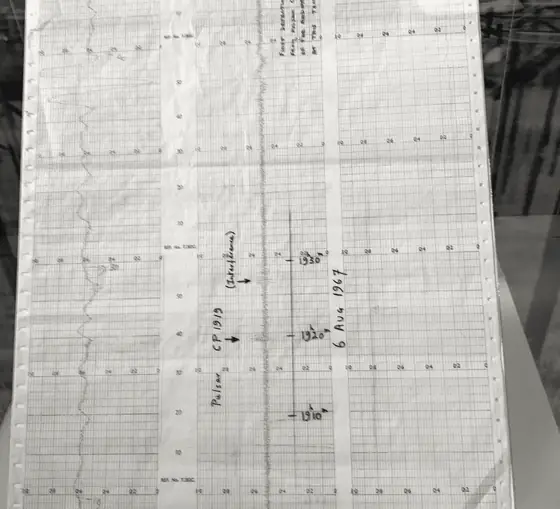

The Clock in the Scruff
Discovery of pulsars
A recurring mark on a chart challenges the interference explanation.
CH 81Science & Discovery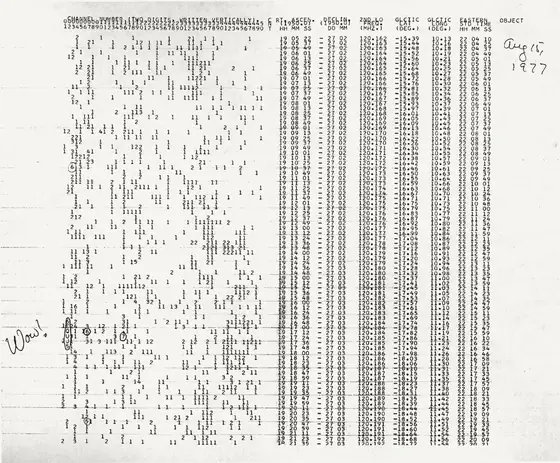
The signal that might have been a cloud
Wow! signal (1977)
Wow! signal, 1977: what can one unrepeated 72-second detection tell us?
CH 04Engineering & technology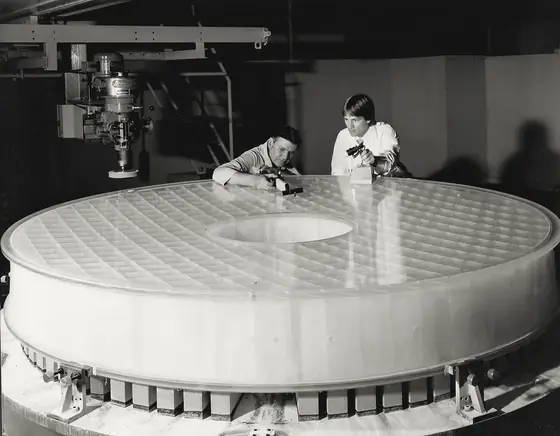
A perfect result from a wrong ruler
Hubble Space Telescope
Hubble, 1990: precision without independent accuracy
CH 54Science & Discovery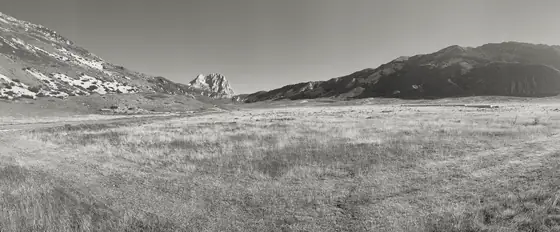

Early neutrinos and a faulty connector
OPERA neutrino timing anomaly (2011 to 2012)
CERN to Gran Sasso, 2011: what caused an apparent speed above light, and how the measurement chain was checked
CH 83Science & Discovery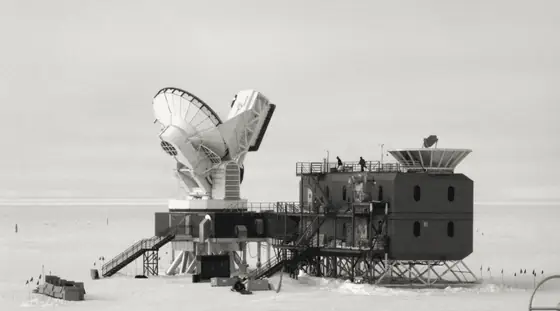
A twist in the oldest light
BICEP2 gravitational wave claim (2014)
Cosmic inflation, 2014: did a polarization signal reveal gravitational waves, or dust in our own galaxy?
CH 16Science & Discovery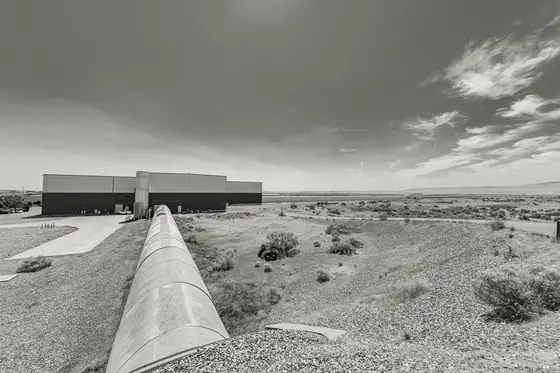

The Chirp in Two Places
GW150914 gravitational waves
A fleeting signal must survive an extraordinary noise investigation.
CH 23Science & technology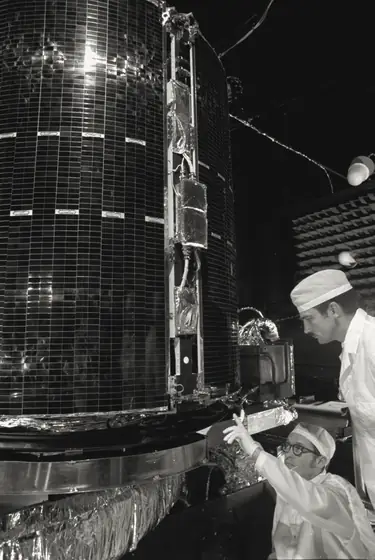

The clock that is right in the wrong place
GPS and relativity
GPS: a design investigation, not a historical outage
From the journal
The ideas behind these cases.
- When the instrument is wrong: calibration in six casesPrecise instruments can still mislead. Learn to ask what each measurement was compared against, and whether that comparison was itself checked.
- Residuals and discovery: the mismatch that points somewhereSmall gaps between prediction and observation have led to Neptune, pulsars and a cosmic background. Learn how to test a residual before explaining it away.
 Units and interfaces: where a correct number goes wrongMany failures happen at boundaries between teams, units and tools. Learn to test each handoff and the meaning of every value that crosses it.
Other topicsSoftware failures 15Aviation and spaceflight 16Bridges, buildings and structures 12Energy and power grids 7Medicine and public health 11Mysteries and open questions 7Extraordinary claims and replication 9Markets, money and fraud 6Weather, climate and the Earth 11Ships and the sea 9Investigations from the 2020s 12