

CH 45Science & Discovery
Twelve sailors and six remedies
James Lind's scurvy trial (1747)
HMS Salisbury, 1747: which scurvy remedy did the trial support, and why did the Navy take decades to act?
Dossier · 11 case files · 1747–2013
Cholera maps, scurvy trials, childbed fever, ulcers, pandemics and a drug America never approved: how evidence changed medicine.
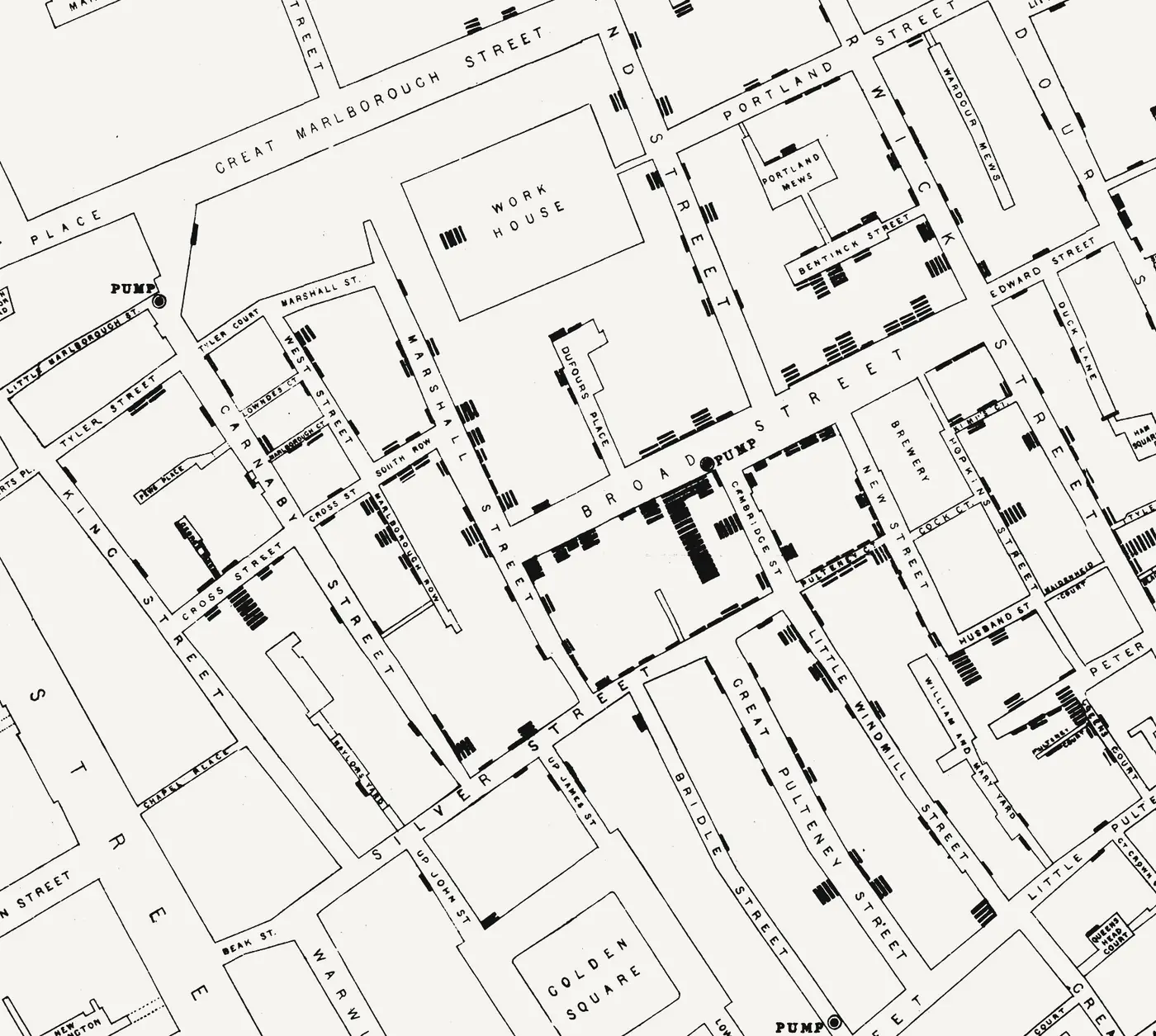
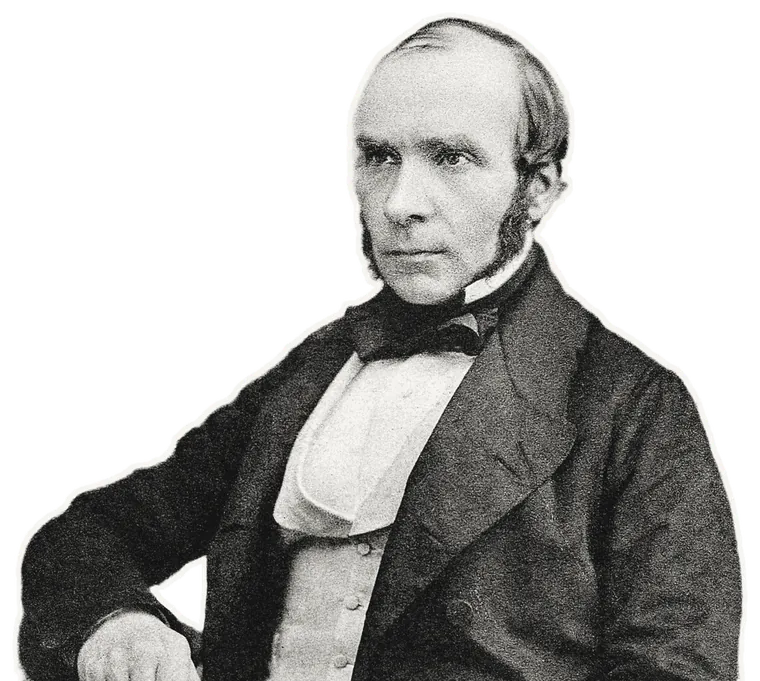
Backdrop: John Snow’s map of Soho. Each bar marks a cholera death at an address, and they cluster around the Broad Street pump. John Snow · Public domain · Wikimedia Commons. Figure: John Snow. Physician who mapped cholera deaths around one water pump in 1854 (1856). Unknown photographer · Public domain · Wikimedia Commons.
Medicine has learned many of its hardest lessons by comparison: one ward against another, one water pump against its neighbours, one diet against another on the same ship. Those comparisons often came before anyone understood the mechanism, and were resisted precisely because the mechanism was missing.
These investigations follow the original papers, official histories and later scholarship. They ask what each comparison could establish, what confounding could explain it away, and why a correct conclusion sometimes took decades to be accepted while a weak one spread quickly.
In date order of the event. Each file is a full investigation: briefing, source-linked evidence, reasoning steps and findings.
CH 45Science & Discovery
James Lind's scurvy trial (1747)
HMS Salisbury, 1747: which scurvy remedy did the trial support, and why did the Navy take decades to act?
CH 46Science & Discovery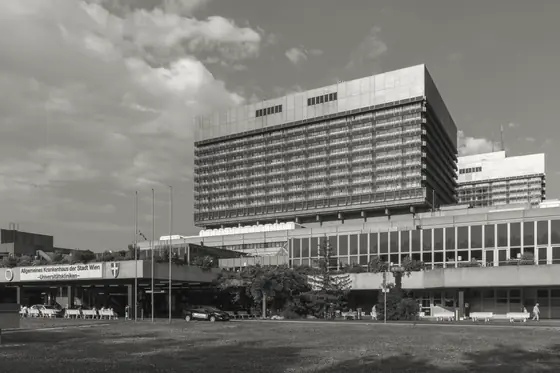
Semmelweis and puerperal fever
Vienna General Hospital, 1846-1847: why two maternity divisions had such different death rates
CH 20History & discovery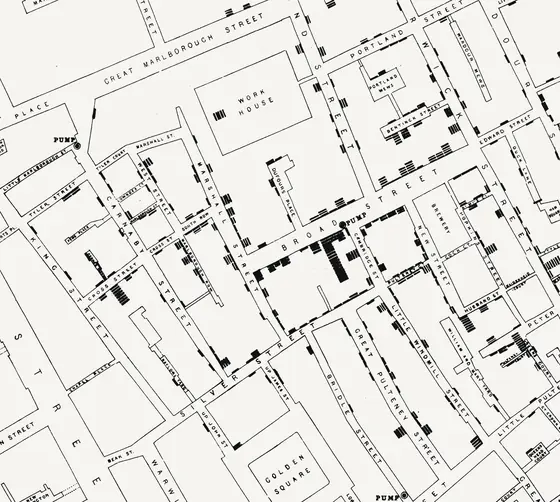
John Snow and the Broad Street pump
Soho, 1854: test the pattern against the people it misses
CH 49Science & Discovery
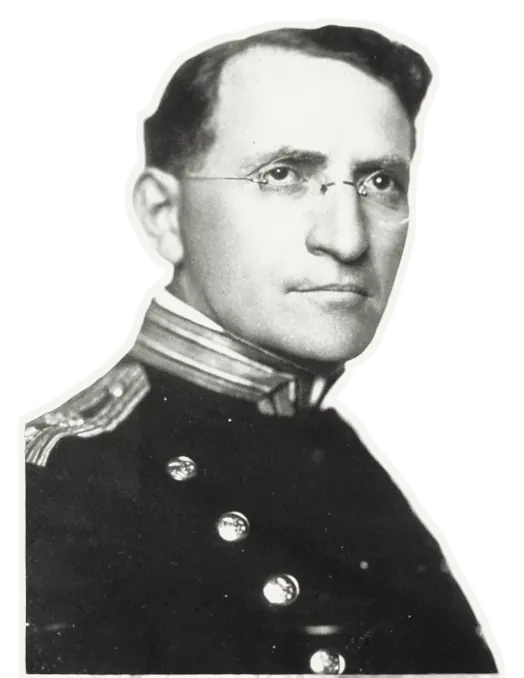
Pellagra and diet (1914 to 1937)
Southern United States, from 1914: was pellagra an infection, a dietary deficiency, or something the record cannot yet separate?
CH 42History & discovery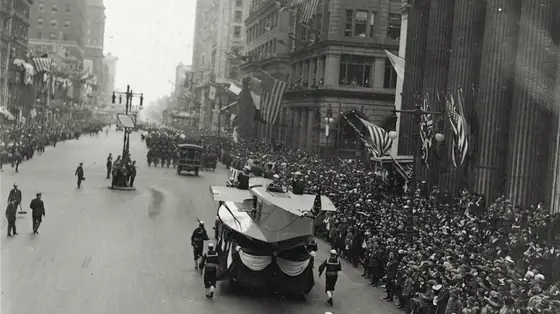
1918 influenza pandemic
US cities, 1918: did the timing of closures and gatherings change how the epidemic hit?
CH 15Science & Discovery
CH 19Environment & history
CH 84Science & Discovery
Thalidomide and the FDA review (1961)
Drug safety, 1961: could a sedative be treated as safe without data on pregnancy?
CH 52Science & Discovery
Helicobacter pylori and peptic ulcer
Royal Perth Hospital, 1982-1985: could a stomach bacterium cause ulcers rather than merely accompany them?
CH 30Engineering & technology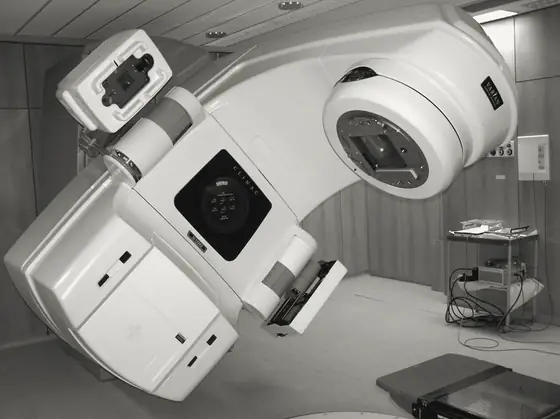
Therac-25 radiation overdoses
Therac-25, 1985–87: when software took over safety checks, what failed?
CH 75Systems & technology
Theranos blood testing (2013–2018)
Theranos, 2013–2018: what separates a demonstrated lab test from a claimed one?
From the journal
Fair tests before statistics: how comparisons earn their weightStatistics cannot rescue an unfair comparison. Learn how controls, natural contrasts and exceptions separated real effects from coincidence.Confounding: why two groups can differ for other reasonsComparing groups can reveal causes or mislead about them. Learn how confounders, natural experiments and seasonal patterns change what a comparison shows.When nature runs the experiment: natural tests of causeWeather, seasons and epidemics sometimes change conditions for us. Learn to read such events as tests, and to see what they cannot prove on their own.Other topicsSoftware failures 15Aviation and spaceflight 16Bridges, buildings and structures 12Energy and power grids 7Mysteries and open questions 7Extraordinary claims and replication 9Markets, money and fraud 6Weather, climate and the Earth 11Ships and the sea 9Investigations from the 2020s 12Astronomy and physics 13