

CH 47Science & Discovery
A fringe that barely moved
Michelson-Morley experiment
Cleveland, 1887: why an interferometer test of Earth's motion through the ether found almost nothing
Dossier · 9 case files · 1887–2023
Cold fusion, faster-than-light neutrinos, a room-temperature superconductor and a Big Bang signal: how science checks a result too good to be true.
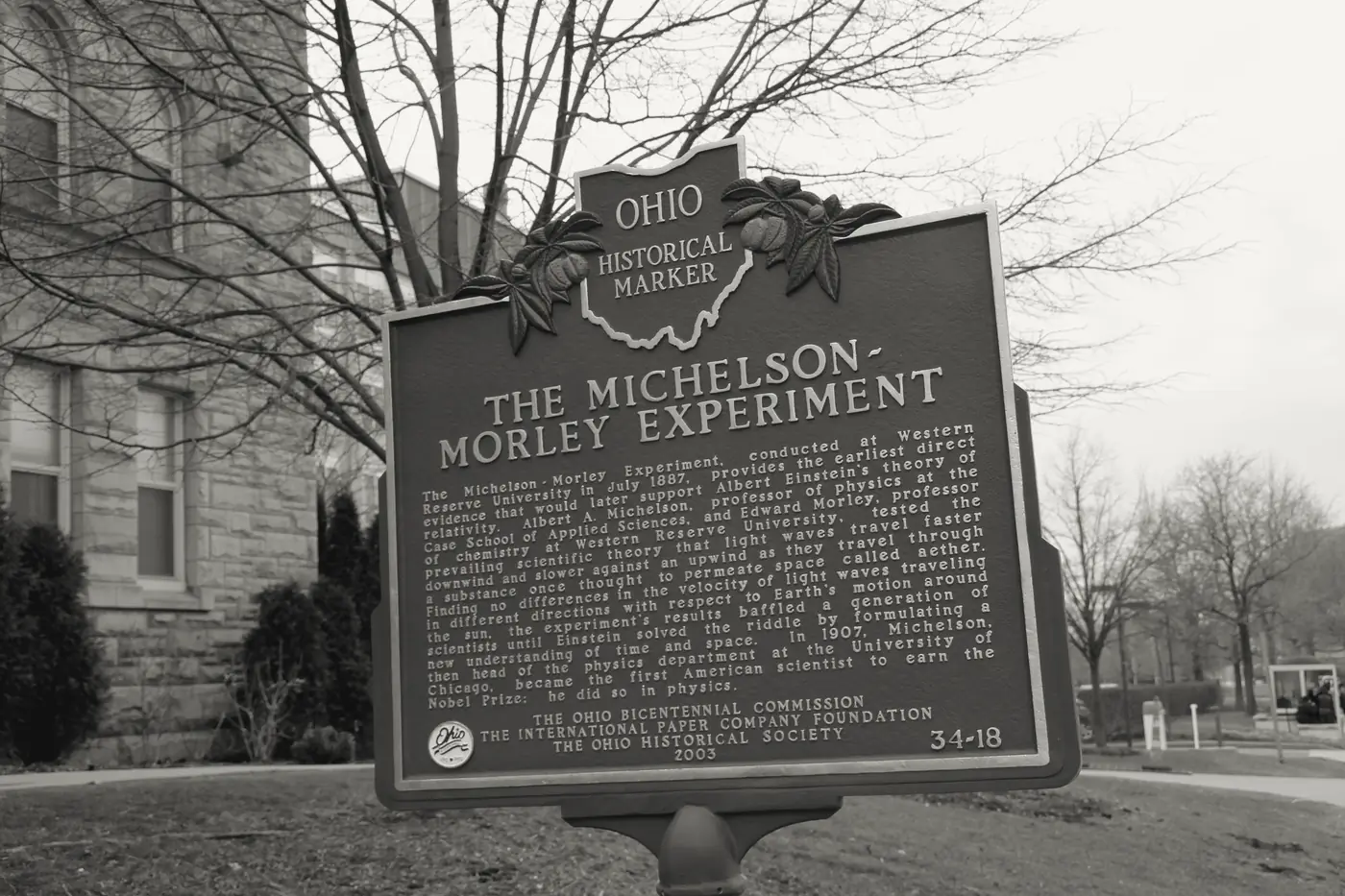
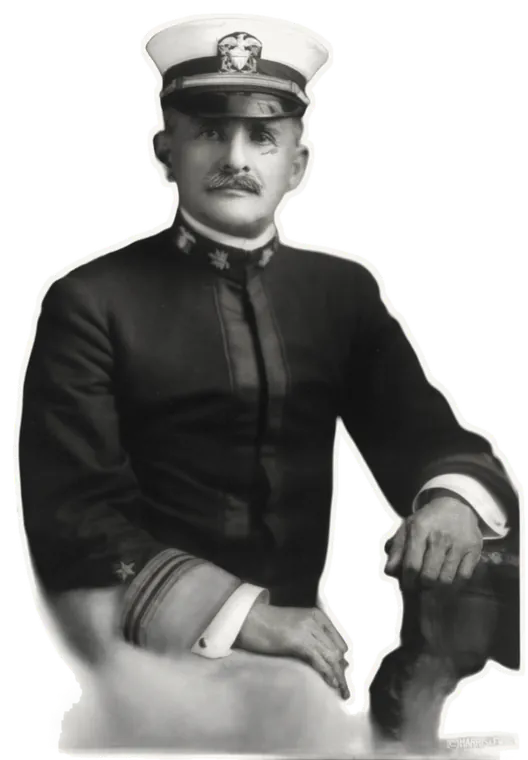
Backdrop: A historical marker for the Michelson–Morley experiment on the Case Western Reserve University campus in Cleveland. Alan Migdall · CC BY-SA 3.0 · Wikimedia Commons. Figure: Albert Abraham Michelson. Physicist who built the 1887 interferometer experiment with Edward Morley (1918). Harris & Ewing (Library of Congress) · Public domain · Wikimedia Commons.
Every few years a laboratory announces a result that would rewrite a textbook. What happens next is one of science's most useful routines: other groups repeat the work, look for the mundane explanation, and either confirm the claim or find the loose cable, the dust or the impurity behind it.
These cases cover both outcomes, alongside discoveries that survived the same scrutiny. They show how independent replication, cross-checks between instruments and open data separate a real effect from an error, and why the scientists who found their own mistake are part of the story.
In date order of the event. Each file is a full investigation: briefing, source-linked evidence, reasoning steps and findings.
CH 47Science & Discovery
Michelson-Morley experiment
Cleveland, 1887: why an interferometer test of Earth's motion through the ether found almost nothing
CH 48Science & Discovery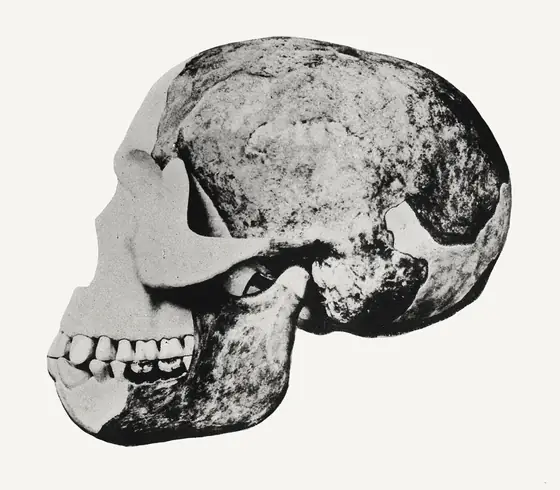
Piltdown Man hoax
Piltdown, Sussex, 1912-1953: how a celebrated fossil was shown to be a composite forgery
CH 50Science & Discovery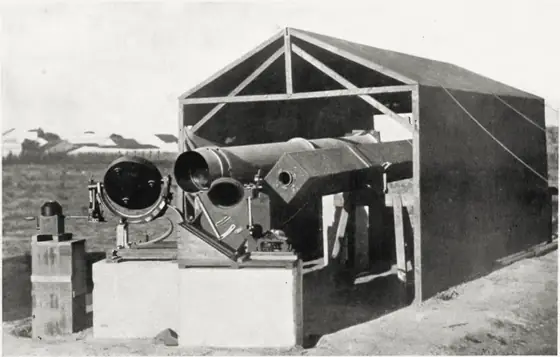
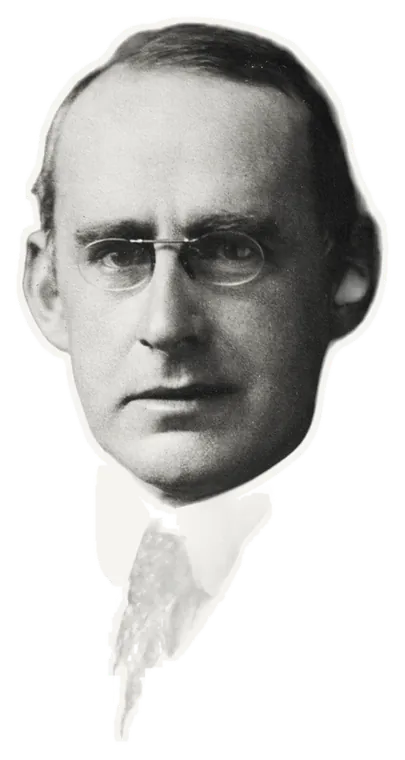
1919 eclipse test of general relativity
Sobral and Príncipe, 1919: did the eclipse photographs settle a test of general relativity?
CH 81Science & Discovery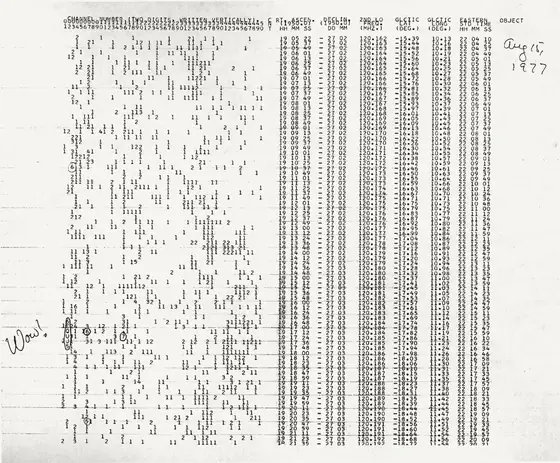
Wow! signal (1977)
Wow! signal, 1977: what can one unrepeated 72-second detection tell us?
CH 53Science & Discovery
Cold fusion claim, 1989
University of Utah, 1989: can excess heat from palladium electrolysis be reproduced, and what would a nuclear source require?
CH 54Science & Discovery
OPERA neutrino timing anomaly (2011 to 2012)
CERN to Gran Sasso, 2011: what caused an apparent speed above light, and how the measurement chain was checked
CH 83Science & Discovery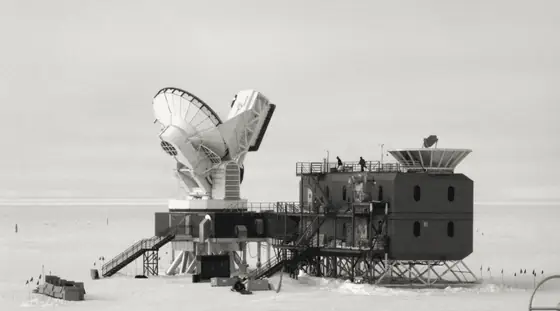
BICEP2 gravitational wave claim (2014)
Cosmic inflation, 2014: did a polarization signal reveal gravitational waves, or dust in our own galaxy?
CH 16Science & Discovery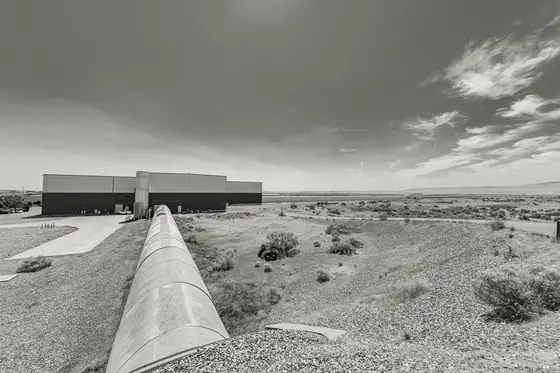

GW150914 gravitational waves
A fleeting signal must survive an extraordinary noise investigation.
CH 80Science & Discovery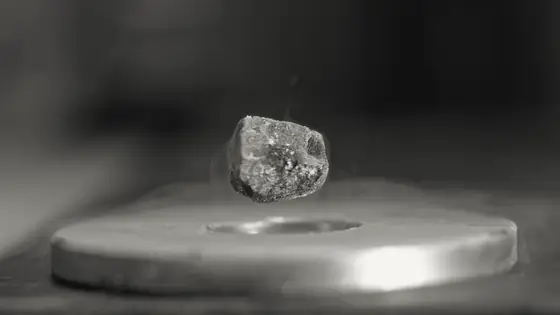
LK-99 superconductor claim (2023)
LK-99 claim, 2023: did a copper-doped lead compound superconduct at room temperature?
From the journal
Too good to be true: warning signs before anyone replicatesA claim that looks too good to be true can be tested before anyone rebuilds it. Ask for the raw data, the independent check and the ordinary explanation.Provenance and physical traces: testing whether a claim holdsClaims earn trust through documented history and independent evidence. Learn to test provenance, dating and physical traces before accepting them.Why replication matters: independent checks before beliefA striking result can come from one instrument, one team or one shared assumption. Learn what replication does, what it cannot do, and how to design it.Other topicsSoftware failures 15Aviation and spaceflight 16Bridges, buildings and structures 12Energy and power grids 7Medicine and public health 11Mysteries and open questions 7Markets, money and fraud 6Weather, climate and the Earth 11Ships and the sea 9Investigations from the 2020s 12Astronomy and physics 13