

CH 73Systems & technology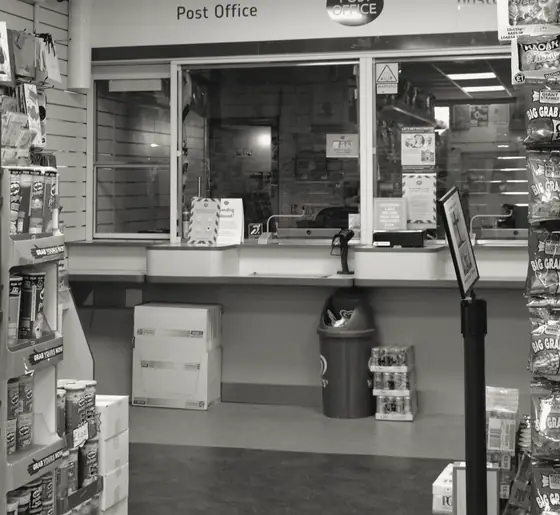
The computer said the cash was missing
Post Office Horizon scandal
Post Office Horizon, 1999 onward: why was the computer believed when it reported missing money?

Dossier · 6 case files · 1999–2023
A flash crash, a trading firm undone in 45 minutes, a two-day bank run and a Ponzi scheme that passed examinations: the evidence behind financial failures.
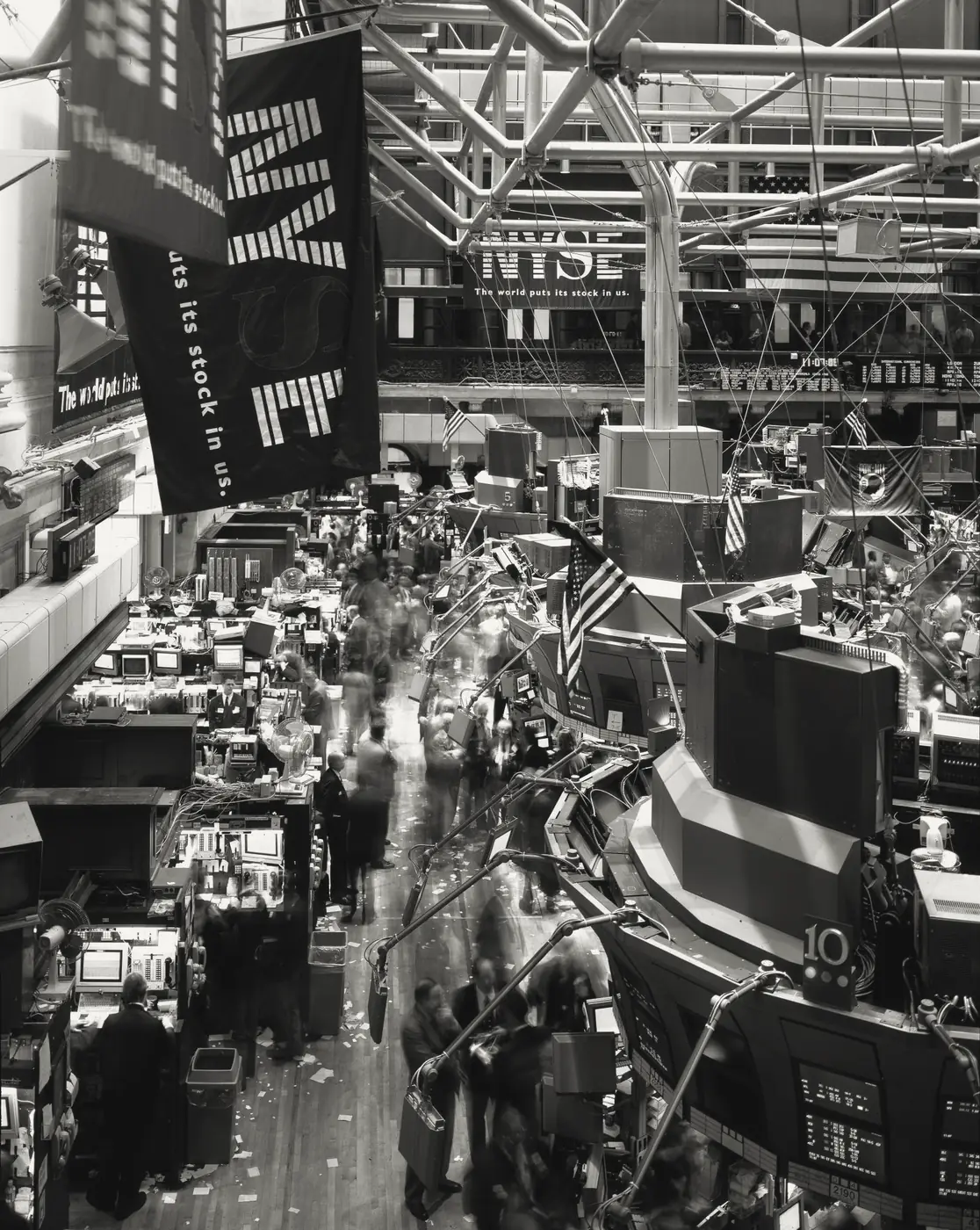
Backdrop: The New York Stock Exchange trading floor in 2011, a year after the Flash Crash. The crash itself unfolded across electronic markets in minutes. Carol M. Highsmith · Public domain · Wikimedia Commons. Figure: Mary Schapiro. Chair of the US Securities and Exchange Commission, 2009–2012. US Securities and Exchange Commission · Public domain · Wikimedia Commons.
Financial failures are often described as panic or greed, which explains little. The records tell a more specific story: algorithms reacting to each other in a market that had stopped buying, deposits concentrated in one industry, returns too smooth to be real, and examiners who never checked the claims with a third party.
These investigations follow regulators' reviews, court records and market reports. They separate the mechanism of each failure from the hindsight that makes it look obvious, and ask which warning signs were measurable at the time.
In date order of the event. Each file is a full investigation: briefing, source-linked evidence, reasoning steps and findings.
CH 73Systems & technology
Post Office Horizon scandal
Post Office Horizon, 1999 onward: why was the computer believed when it reported missing money?
CH 76Systems & finance
Bernard Madoff Ponzi scheme
Bernard Madoff's firm, 1992–2008: what did the numbers show that regulators missed?
CH 17Systems & finance
CH 18Engineering & technology
CH 75Systems & technology
Theranos blood testing (2013–2018)
Theranos, 2013–2018: what separates a demonstrated lab test from a claimed one?
CH 74Systems & finance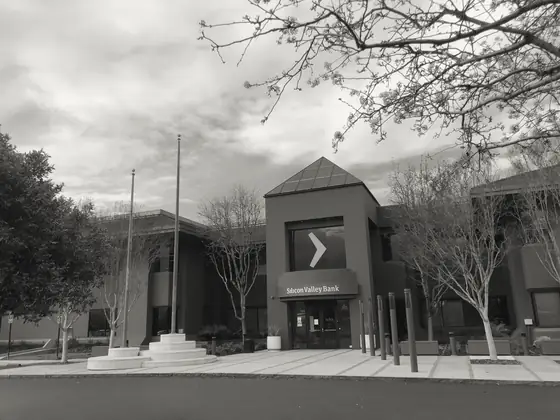
Silicon Valley Bank failure (2023)
Silicon Valley Bank, 2023: how did a bank with mostly safe securities fail in two days?
From the journal
 Too good to be true: warning signs before anyone replicatesA claim that looks too good to be true can be tested before anyone rebuilds it. Ask for the raw data, the independent check and the ordinary explanation.When the computer is presumed right: testing system recordsAn organization that treats a system's output as proof can turn a software fault into a loss for whoever disputes it. Learn how to test records instead.
 Reading a post-incident review and what it leaves outA company's own post-incident review can be accurate and still incomplete. Learn to check who wrote it, when, in which time zone, and what it cannot show.
Other topicsSoftware failures 15Aviation and spaceflight 16Bridges, buildings and structures 12Energy and power grids 7Medicine and public health 11Mysteries and open questions 7Extraordinary claims and replication 9Weather, climate and the Earth 11Ships and the sea 9Investigations from the 2020s 12Astronomy and physics 13