

CH 01Engineering & technology
The bridge that fed its own motion
Tacoma Narrows Bridge
Tacoma Narrows, 1940: follow the energy, not just the wind
Engineering & technology · 34 case files
Bridges, spacecraft, software and power plants: how structures and systems fail, and what the evidence shows.
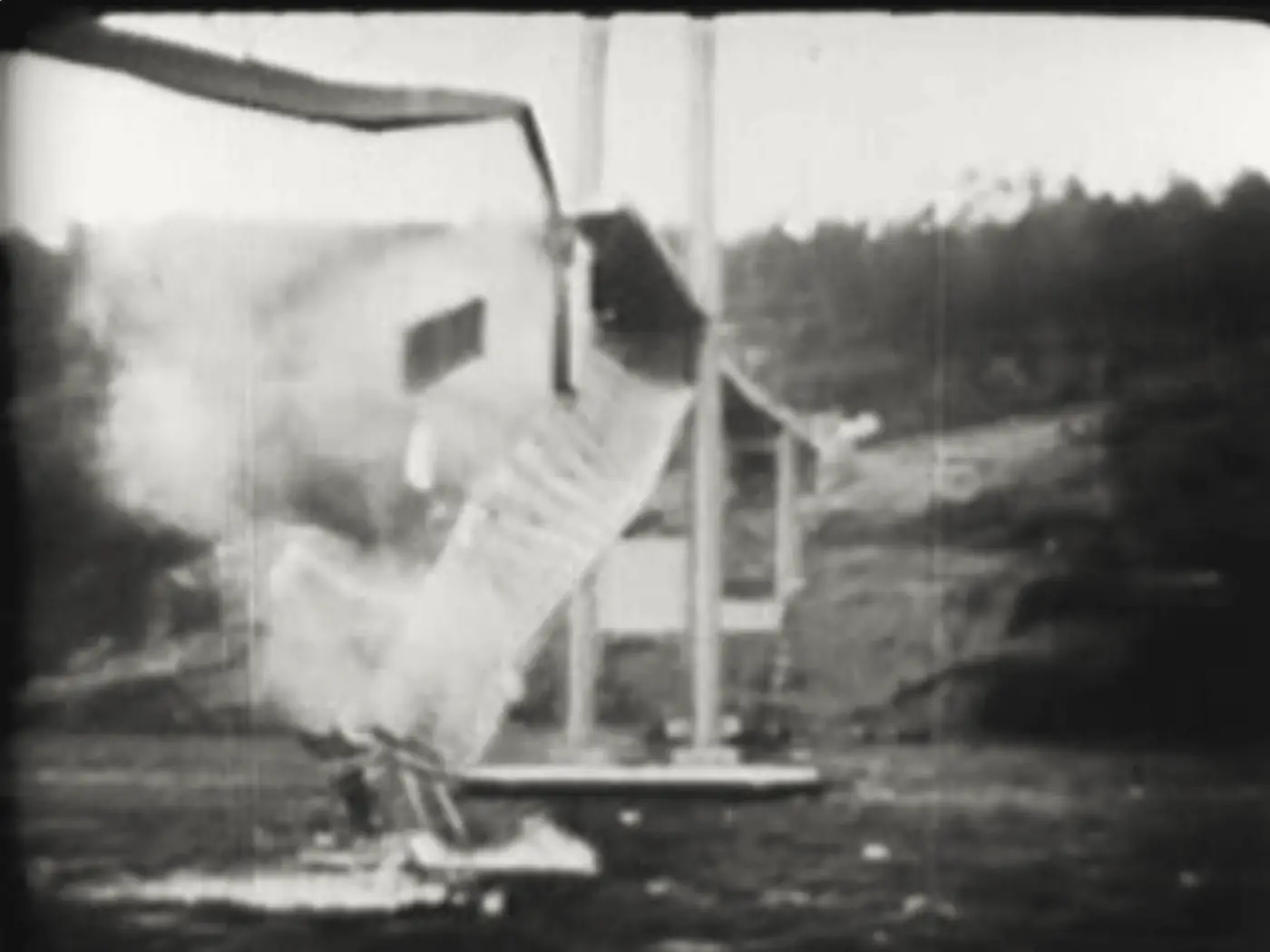
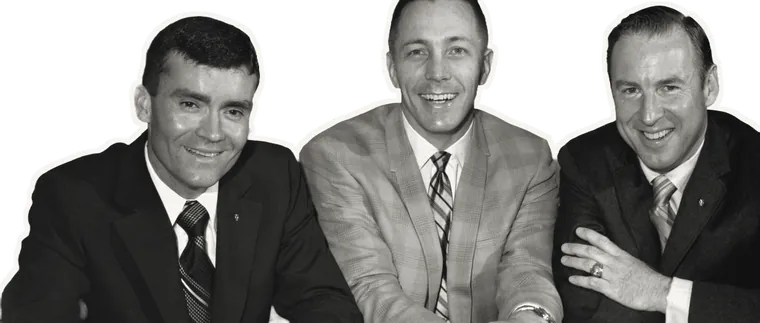
Backdrop: A frame from amateur film of the Tacoma Narrows Bridge on the day its centre span tore apart and fell into the Narrows. Barney Elliot · Public Domain · Wikimedia Commons. Figure: Haise, Swigert and Lovell. The Apollo 13 crew, who brought a crippled spacecraft home in April 1970 (10 Apr 1970). NASA · Public domain · Wikimedia Commons.
Engineering failures rarely come from one broken part. A bridge collapses because a design assumption, a material, a load and an inspection regime meet in a way no one checked together. A spacecraft is lost because two teams exchanged numbers in different units, or because software written for one rocket was trusted in another.
These investigations follow official reports and technical histories. Each one separates the physical mechanism (what actually broke, and how) from the conditions that let it happen: schedules, interfaces, testing gaps and warnings that were read as normal. Read them for the mechanisms, and for the habits of checking that would have caught them.
Other fieldsScience & discoveryHistory & systems
CH 01Engineering & technology
Tacoma Narrows Bridge
Tacoma Narrows, 1940: follow the energy, not just the wind
CH 02Engineering & technology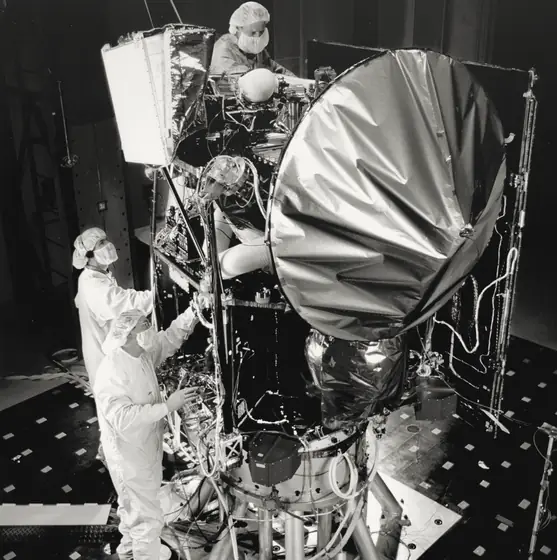
Mars Climate Orbiter
Mars Climate Orbiter, 1999: an interface failure across Earth
CH 03Engineering & technology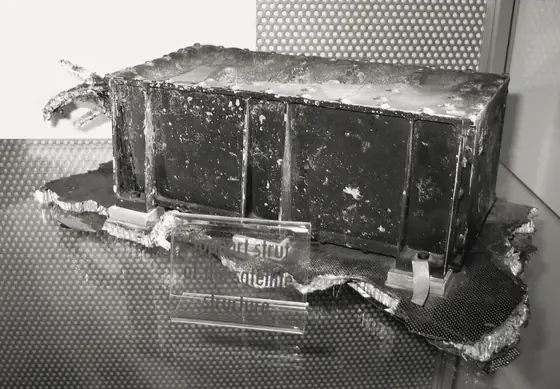
CH 04Engineering & technology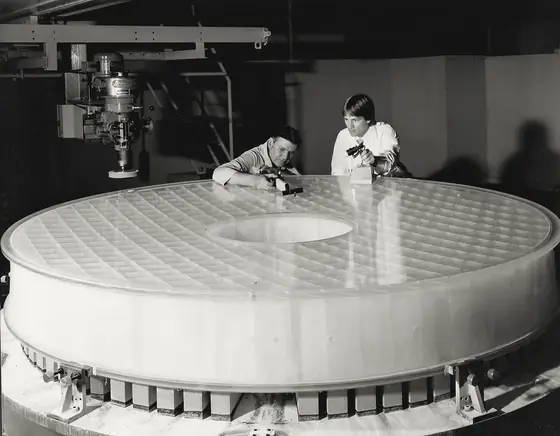
Hubble Space Telescope
Hubble, 1990: precision without independent accuracy
CH 05Engineering & technology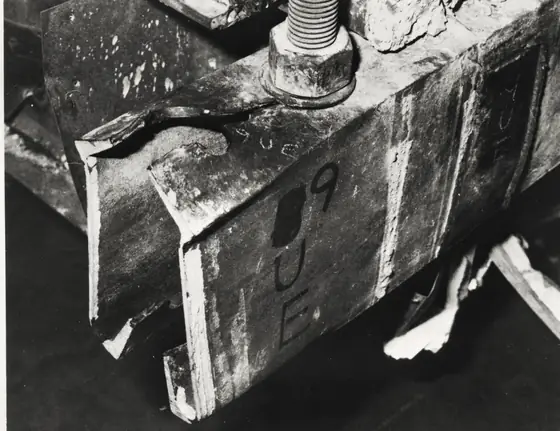
Hyatt Regency walkway collapse
Kansas City, 1981: trace where the weight goes
CH 06Engineering & technology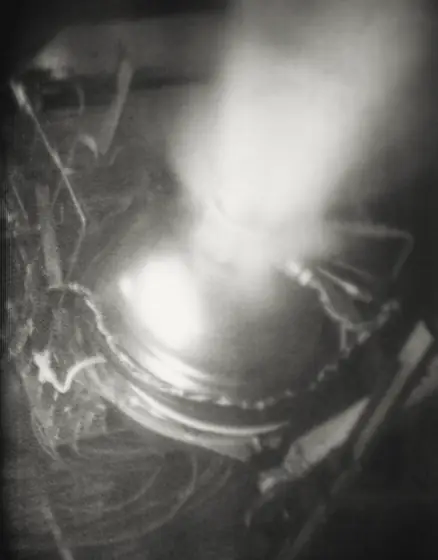
Apollo 13
Apollo 13, 1970: reconstruct a component’s hidden history
CH 07Engineering & technology
2003 Northeast blackout
Northeast blackout, 2003: local faults, regional consequences
CH 08Engineering & technology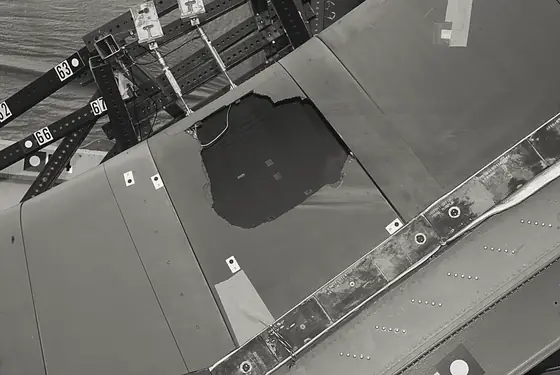
Space Shuttle Columbia
Columbia, 2003: distinguish missing evidence from evidence of safety
CH 18Engineering & technology
CH 25Engineering & technology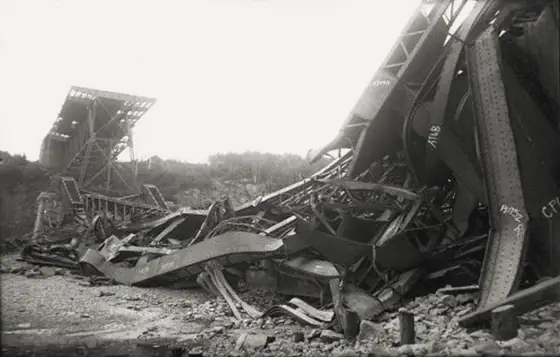
Quebec Bridge collapse
Quebec Bridge, 1907: how an estimated weight became a structural failure
CH 26Engineering & technology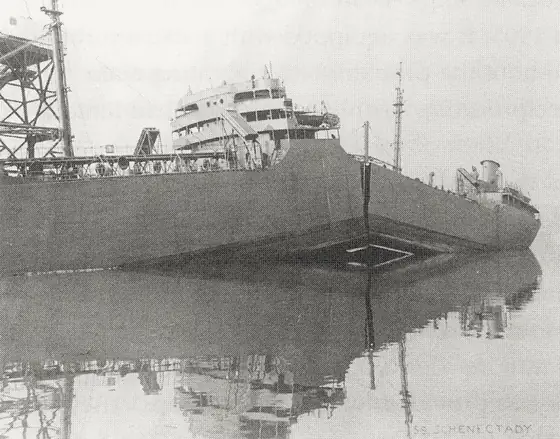
Liberty ships and T2 tanker fractures
Schenectady and the Liberty fleet, 1943: why welded hulls split
CH 27Engineering & technology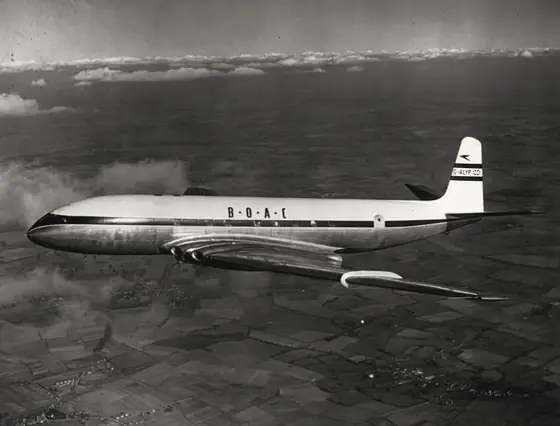
de Havilland Comet losses, 1954
de Havilland Comet losses, 1954: pressurized-cabin fatigue and the tank tests
CH 28Engineering & technology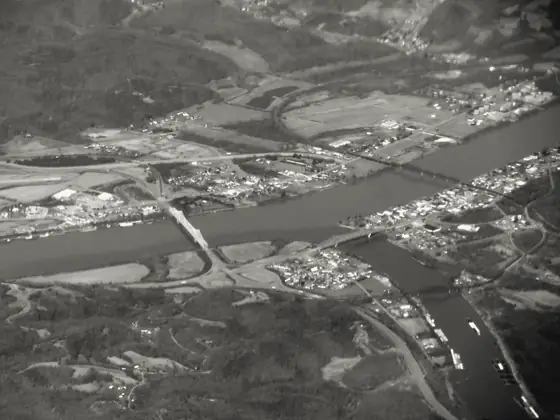
Silver Bridge collapse
Silver Bridge, 1967: how did a flaw in one eyebar bring down the span?
CH 29Engineering & technology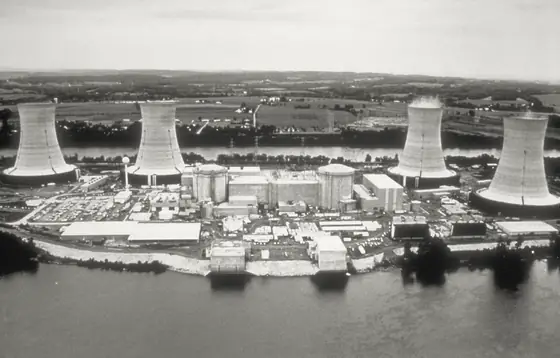
Three Mile Island Unit 2 accident
Three Mile Island, 1979: what the control room could not see
CH 30Engineering & technology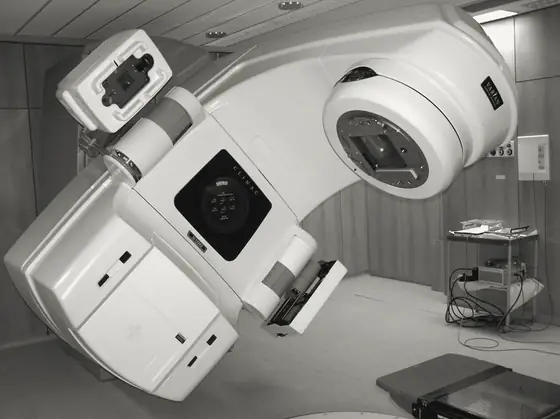
Therac-25 radiation overdoses
Therac-25, 1985–87: when software took over safety checks, what failed?
CH 31Engineering & technology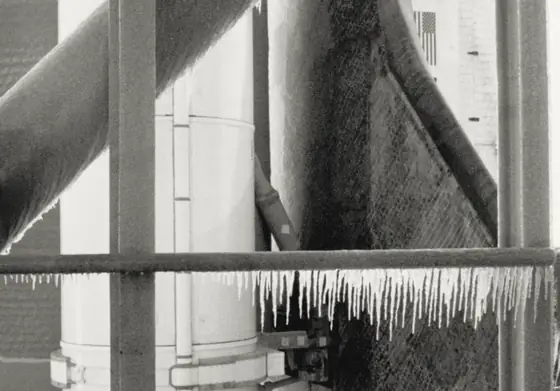
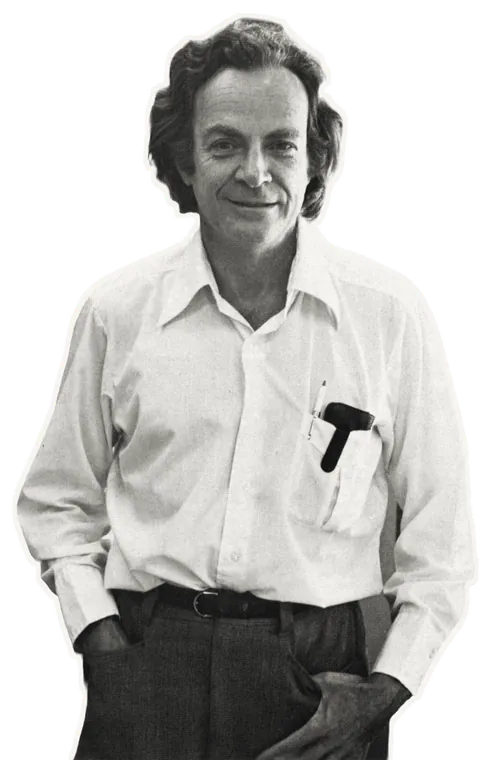
Challenger disaster
Challenger, 1986: erosion, cold joints and the decision to launch
CH 32Engineering & technology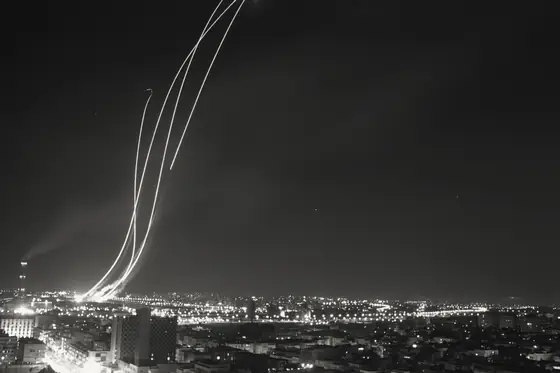
Patriot missile failure at Dhahran
Dhahran, 1991: how a clock error grew the longer the system ran
CH 33Engineering & technology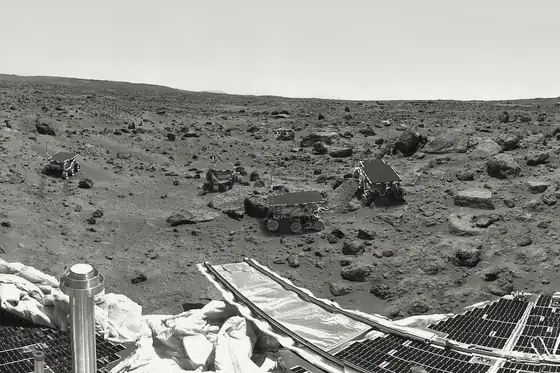
Mars Pathfinder software resets
Mars Pathfinder, 1997: how a shared lock became a spacecraft reset
CH 34Engineering & technology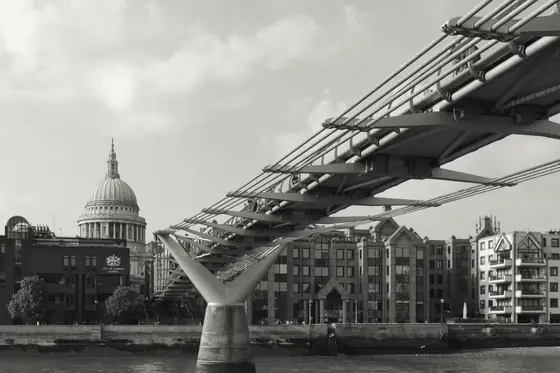
London Millennium Bridge sway
London Millennium Bridge, 2000: why a crowd made a footbridge sway
CH 55Engineering & technology
CrowdStrike outage (2024)
CrowdStrike Falcon content update, 2024: how could one update crash Windows machines when the sensor code had not changed?
CH 56Engineering & technology
xz Utils backdoor (2024)
xz Utils backdoor, 2024: what small anomaly exposed malicious code hidden in release files?
CH 57Engineering & technology
AWS us-east-1 outage (2025)
AWS us-east-1 outage, 2025: how did an automated DNS system leave a core service with an empty address?
CH 58Engineering & technology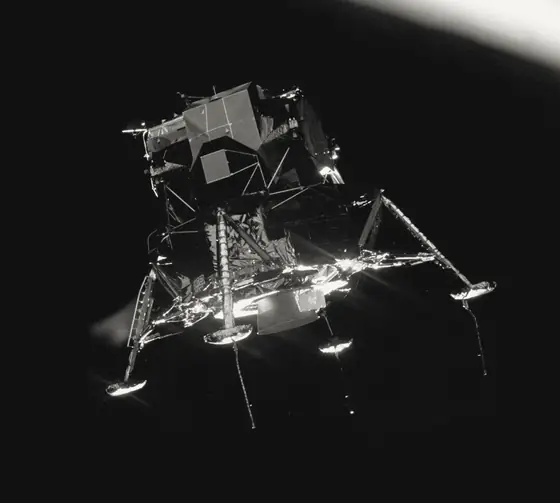
Apollo 11 program alarms (1969)
Apollo 11 landing, 1969: why did the guidance computer keep restarting, and why was it safe to land?
CH 59Engineering & technology
Iberian blackout (2025)
Spain and Portugal, 28 April 2025: what caused the grid to collapse?
CH 60Engineering & technology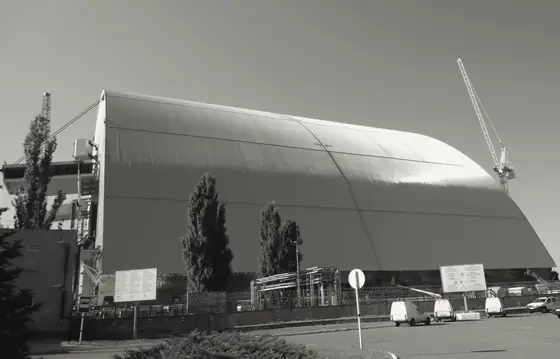
Chernobyl accident (1986)
Soviet Union, 26 April 1986: why did the reactor become unstable during a test?
CH 61Engineering & technology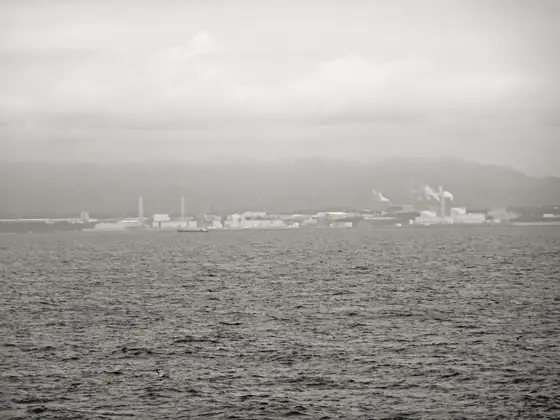
Fukushima Daiichi accident (2011)
Japan, 11 March 2011: why did the tsunami defeat the plant's cooling?
CH 62Engineering & technology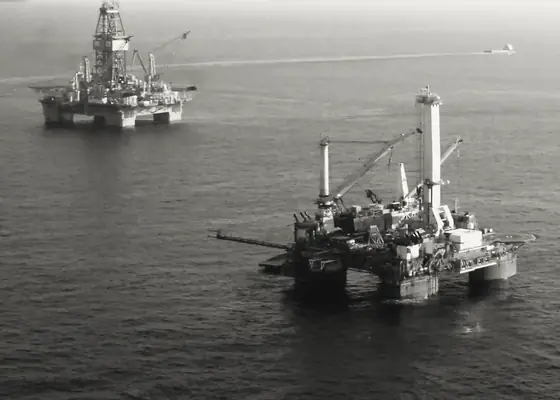
Deepwater Horizon blowout (2010)
Gulf of Mexico, 20 April 2010: why did the crew believe the well was sealed?
CH 63Engineering & technology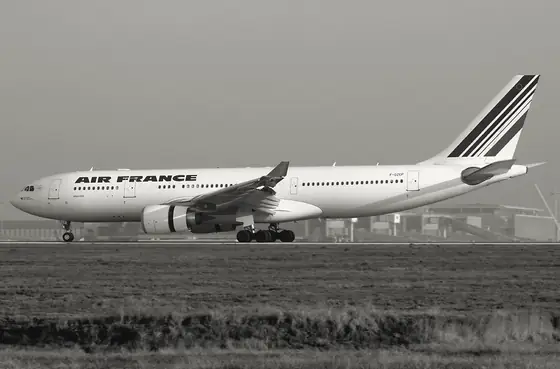
Air France 447 crash (2009)
Air France 447, 2009: how did a brief loss of airspeed data turn into a stall from cruise altitude?
CH 64Engineering & technology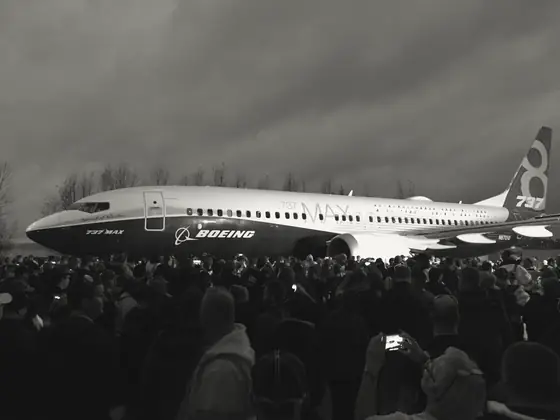
Boeing 737 MAX MCAS crashes (2018–2019)
Lion Air 610 (2018) and Ethiopian 302 (2019): how could one angle-of-attack sensor command a new airliner nose-down again and again?
CH 65Engineering & technology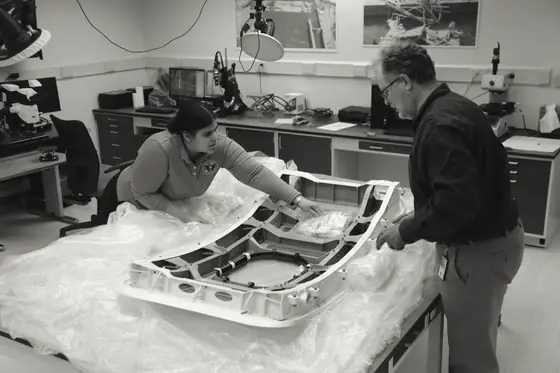
Alaska Airlines Flight 1282 door plug (2024)
Alaska Airlines 1282, 2024: how did a 737 MAX 9 leave the factory without the bolts that held a door plug in place?
CH 66Engineering & technology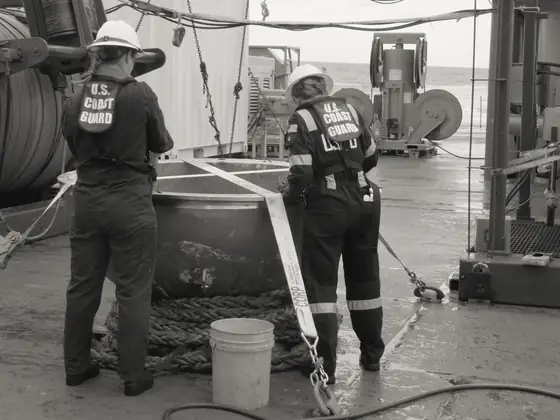
Titan submersible implosion (2023)
Titan submersible, 2023: what did the hull’s own monitoring data show before the final dive?
CH 67Engineering & technology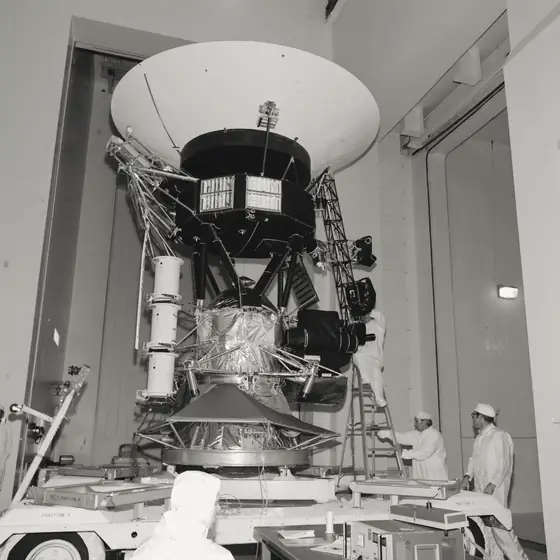
Voyager 1 memory fault (2023–2024)
Voyager 1, November 2023 to April 2024: how did engineers diagnose a failed memory chip from interstellar distance, and work around it?
CH 68Engineering & technology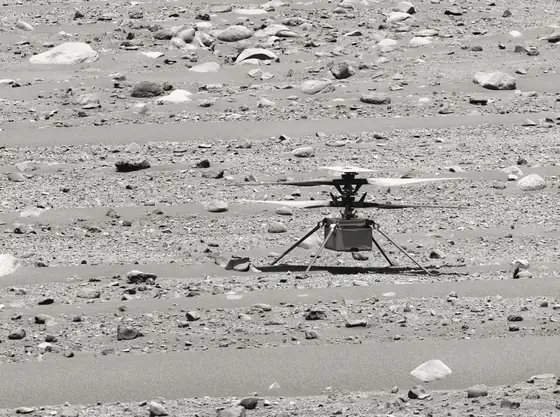
Ingenuity Mars helicopter final flight (2024)
Ingenuity Mars helicopter, 18 January 2024: what brought down the first aircraft on another world?
CH 69Engineering & technology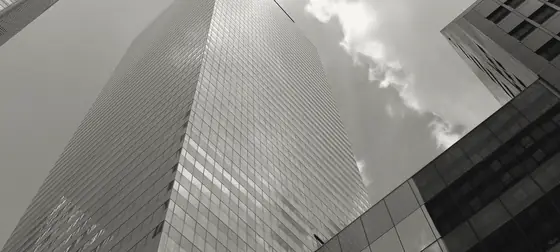
Citicorp Center wind-bracing crisis (1978)
Citicorp Center, New York, 1978: how did the engineer find that the tower could fall in a storm, and what made the risk worse?
From the journal
Automation surprise: when a system does something elseWhen an automated system changes mode or acts on a bad input, the crew must work out what it is doing. Five cases show what made that hard.How to read an accident report: findings, causes and limitsOfficial investigation reports separate what was measured from what was concluded and what should change. Learn to read each layer and test its claims.Swiss cheese and causal chains: why single causes misleadJames Reason's layered model shows how several defenses fail together. Learn to build causal chains and resist single-cause stories.