

CH 58Engineering & technology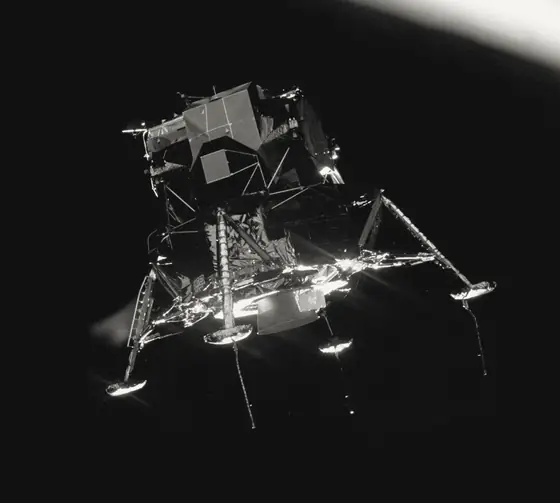
A computer that kept restarting
Apollo 11 program alarms (1969)
Apollo 11 landing, 1969: why did the guidance computer keep restarting, and why was it safe to land?

Dossier · 15 case files · 1969–2025
Code that lost a rocket, overdosed patients, sank a trading firm and froze airports worldwide: sourced investigations into how software fails.
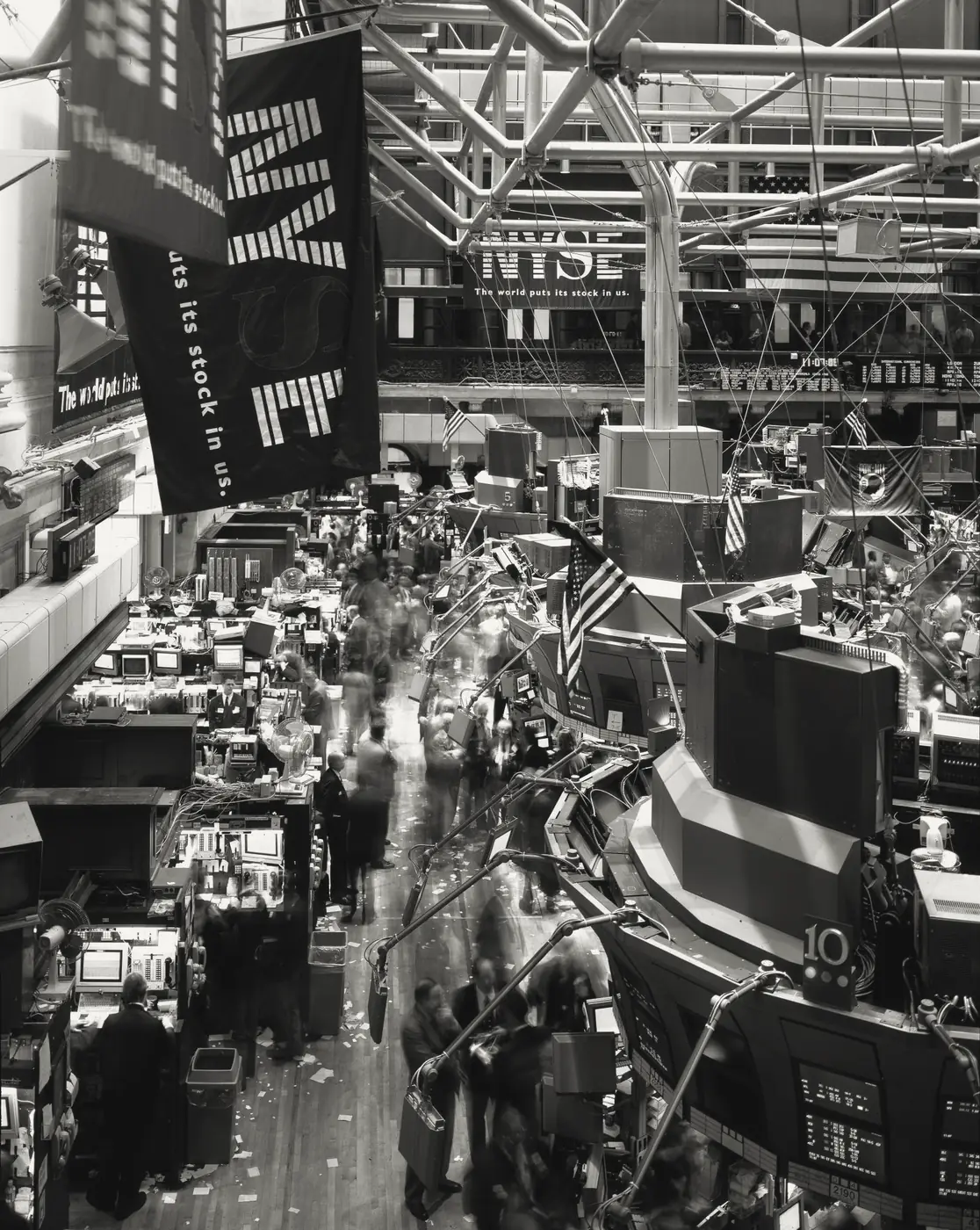
Backdrop: The New York Stock Exchange trading floor in 2011, a year after the Flash Crash. The crash itself unfolded across electronic markets in minutes. Carol M. Highsmith · Public domain · Wikimedia Commons. Figure: Mary Schapiro. Chair of the US Securities and Exchange Commission, 2009–2012. US Securities and Exchange Commission · Public domain · Wikimedia Commons.
Software rarely fails the way people imagine. The code usually does exactly what it was written to do; the trouble is that the world it meets is not the world its authors assumed. A value grows larger than a conversion allows, two tasks touch the same variable in the wrong order, a configuration file carries one field fewer than the code expects, or an old flag is reused on a server nobody updated.
These investigations work from accident reports, vendors' root-cause analyses and court judgments. Each one separates the defect itself from the conditions that let it reach people: missing tests, code reused in a context it was never checked against, deployments with no staged rollout, and organisations that treated a computer's output as proof.
In date order of the event. Each file is a full investigation: briefing, source-linked evidence, reasoning steps and findings.
CH 58Engineering & technology
Apollo 11 program alarms (1969)
Apollo 11 landing, 1969: why did the guidance computer keep restarting, and why was it safe to land?
CH 30Engineering & technology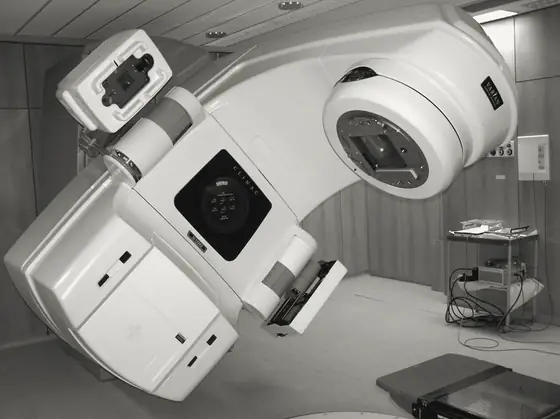
Therac-25 radiation overdoses
Therac-25, 1985–87: when software took over safety checks, what failed?
CH 32Engineering & technology
Patriot missile failure at Dhahran
Dhahran, 1991: how a clock error grew the longer the system ran
CH 03Engineering & technology
CH 33Engineering & technology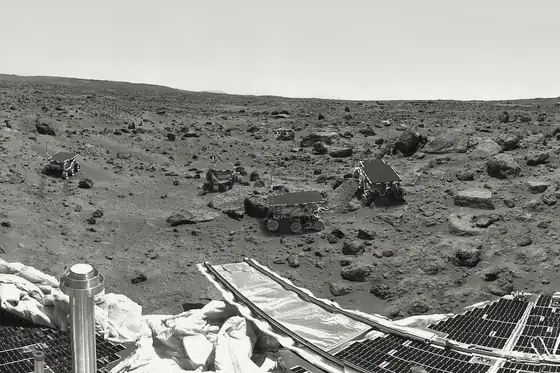
Mars Pathfinder software resets
Mars Pathfinder, 1997: how a shared lock became a spacecraft reset
CH 02Engineering & technology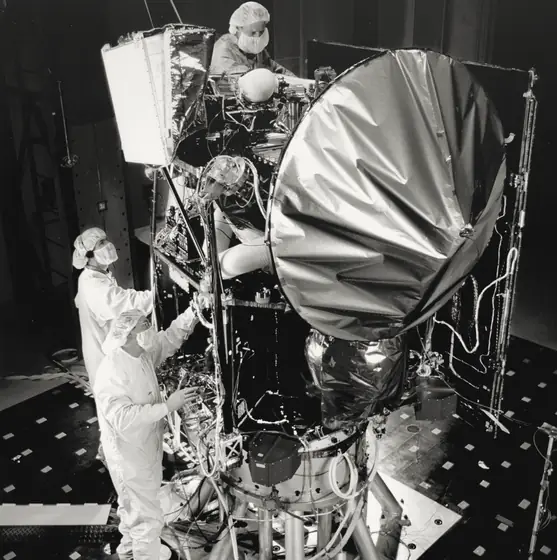
Mars Climate Orbiter
Mars Climate Orbiter, 1999: an interface failure across Earth
CH 73Systems & technology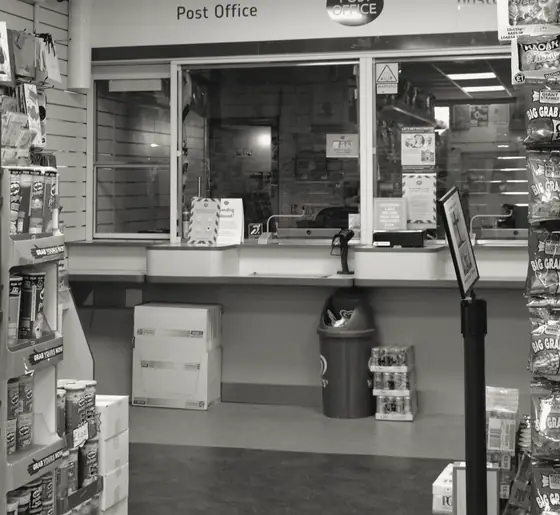
Post Office Horizon scandal
Post Office Horizon, 1999 onward: why was the computer believed when it reported missing money?
CH 17Systems & finance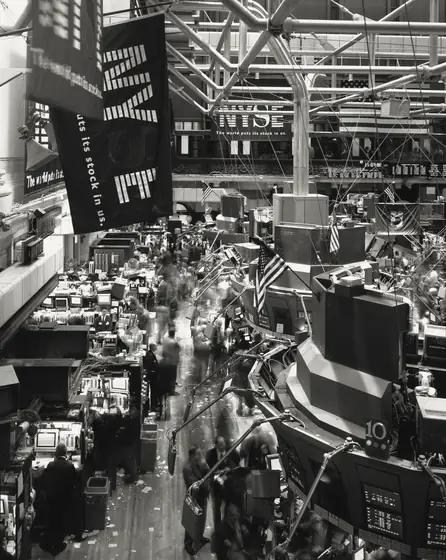
CH 18Engineering & technology
CH 64Engineering & technology
Boeing 737 MAX MCAS crashes (2018–2019)
Lion Air 610 (2018) and Ethiopian 302 (2019): how could one angle-of-attack sensor command a new airliner nose-down again and again?
CH 67Engineering & technology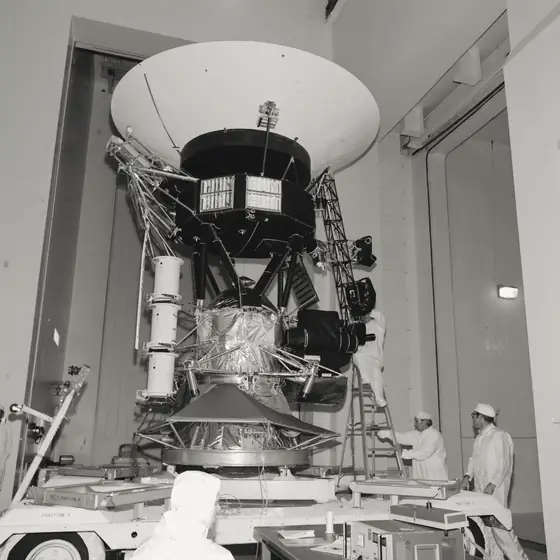
Voyager 1 memory fault (2023–2024)
Voyager 1, November 2023 to April 2024: how did engineers diagnose a failed memory chip from interstellar distance, and work around it?
CH 55Engineering & technology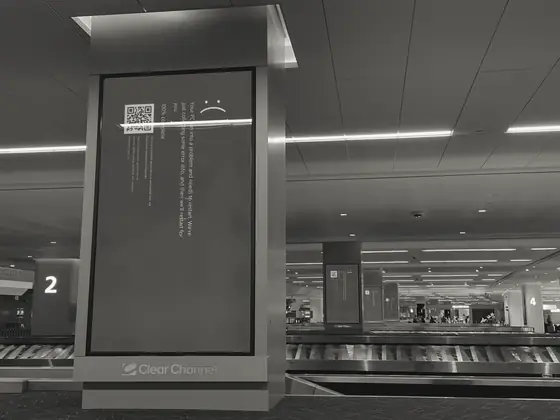
CrowdStrike outage (2024)
CrowdStrike Falcon content update, 2024: how could one update crash Windows machines when the sensor code had not changed?
CH 56Engineering & technology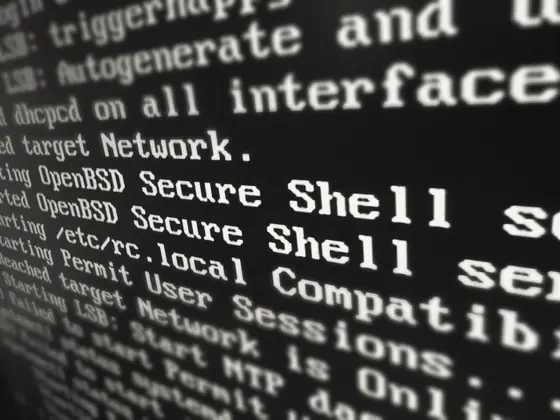
xz Utils backdoor (2024)
xz Utils backdoor, 2024: what small anomaly exposed malicious code hidden in release files?
CH 68Engineering & technology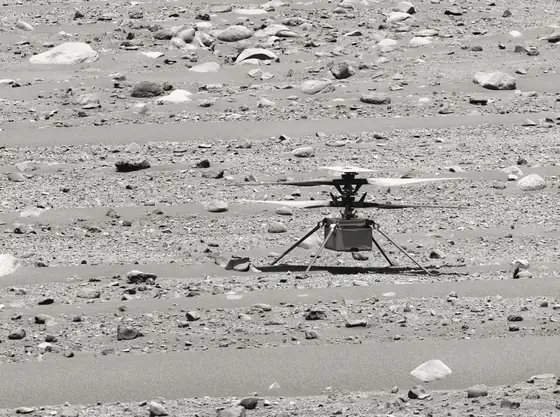
Ingenuity Mars helicopter final flight (2024)
Ingenuity Mars helicopter, 18 January 2024: what brought down the first aircraft on another world?
CH 57Engineering & technology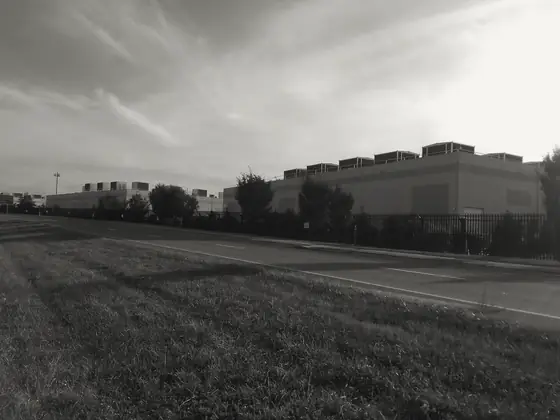
AWS us-east-1 outage (2025)
AWS us-east-1 outage, 2025: how did an automated DNS system leave a core service with an empty address?
From the journal
Trust in the update pipeline: why one file reaches everyoneSoftware reaches users through tests, staging and review. Four cases show what those steps assume, and why one bad update can spread at once.When the computer is presumed right: testing system recordsAn organization that treats a system's output as proof can turn a software fault into a loss for whoever disputes it. Learn how to test records instead. Automation surprise: when a system does something elseWhen an automated system changes mode or acts on a bad input, the crew must work out what it is doing. Five cases show what made that hard.
Other topicsAviation and spaceflight 16Bridges, buildings and structures 12Energy and power grids 7Medicine and public health 11Mysteries and open questions 7Extraordinary claims and replication 9Markets, money and fraud 6Weather, climate and the Earth 11Ships and the sea 9Investigations from the 2020s 12Astronomy and physics 13