

CH 27Engineering & technology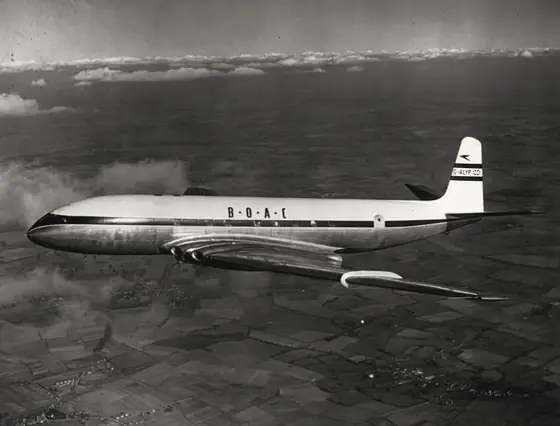
Loads repeated, cracks unseen
de Havilland Comet losses, 1954
de Havilland Comet losses, 1954: pressurized-cabin fatigue and the tank tests
Dossier · 16 case files · 1954–2024
Lost spacecraft, airliner accidents and repairs made across deep space: how investigators read flight data, telemetry and hardware to find causes.
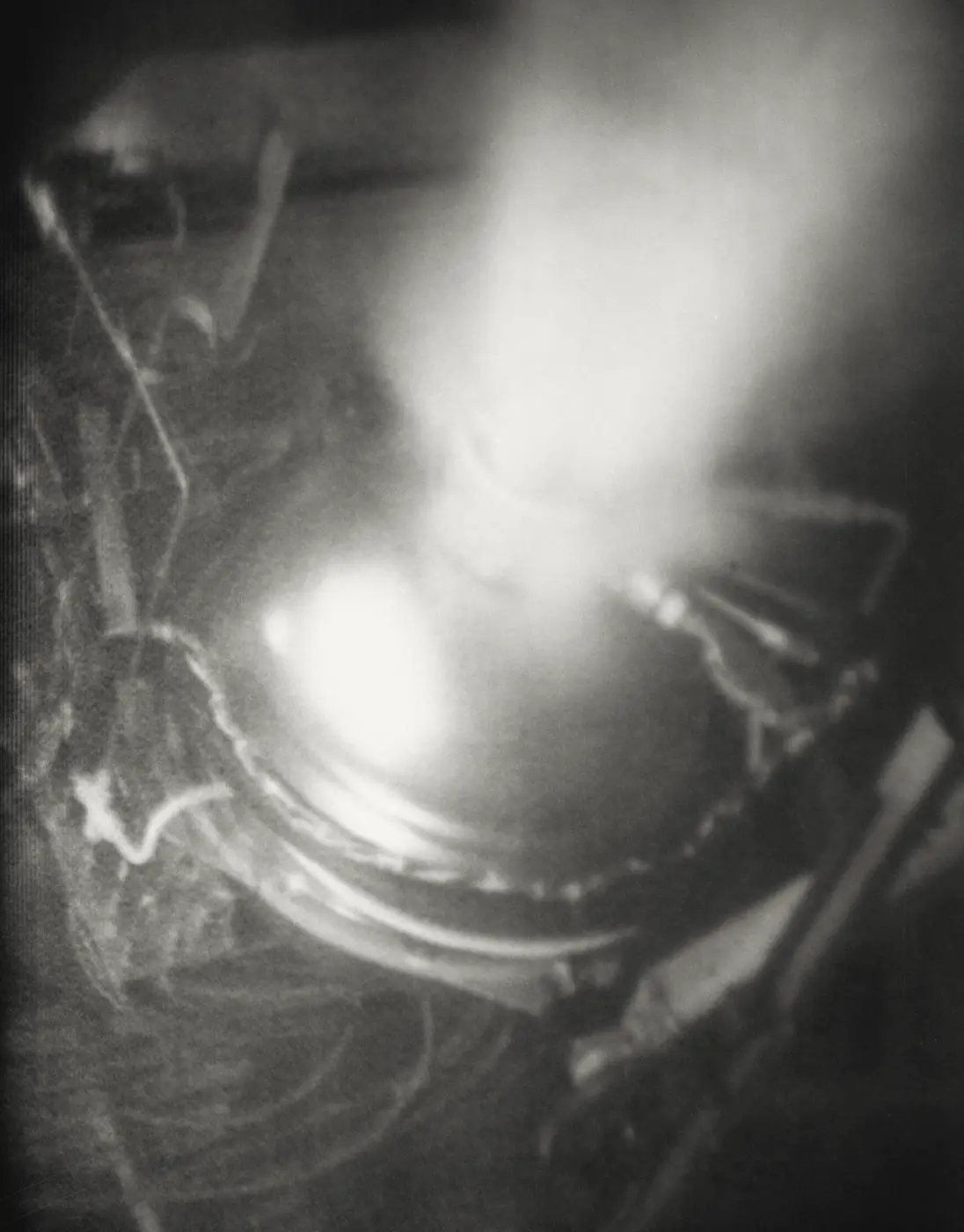
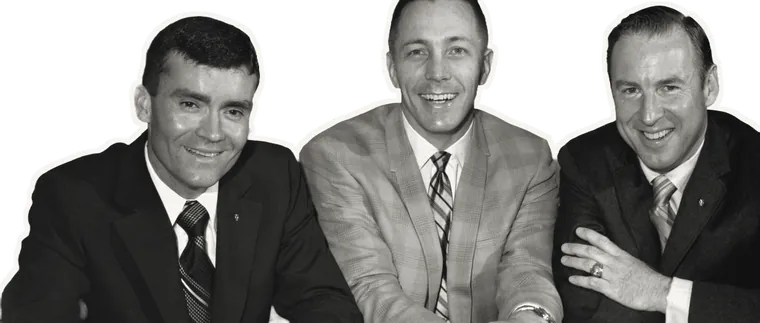
Backdrop: A full-scale test at NASA’s Manned Spacecraft Center reproducing a fire inside an Apollo service module oxygen tank. NASA · Public domain · Wikimedia Commons. Figure: Haise, Swigert and Lovell. The Apollo 13 crew, who brought a crippled spacecraft home in April 1970 (10 Apr 1970). NASA · Public domain · Wikimedia Commons.
Aircraft and spacecraft leave unusually rich records: flight data recorders, telemetry, radar tracks, maintenance logs and the hardware itself. That richness is one reason aviation and spaceflight investigations became a model for accident investigation everywhere, and why their reports repay careful reading.
The cases here range from losses that changed how machines are designed and certified to near-misses and repairs carried out across billions of kilometres. Read them for the interplay between automation and the people supervising it, for the way small anomalies become normal, and for the method investigators use to reconstruct seconds of flight from sparse data.
In date order of the event. Each file is a full investigation: briefing, source-linked evidence, reasoning steps and findings.
CH 27Engineering & technology
de Havilland Comet losses, 1954
de Havilland Comet losses, 1954: pressurized-cabin fatigue and the tank tests
CH 58Engineering & technology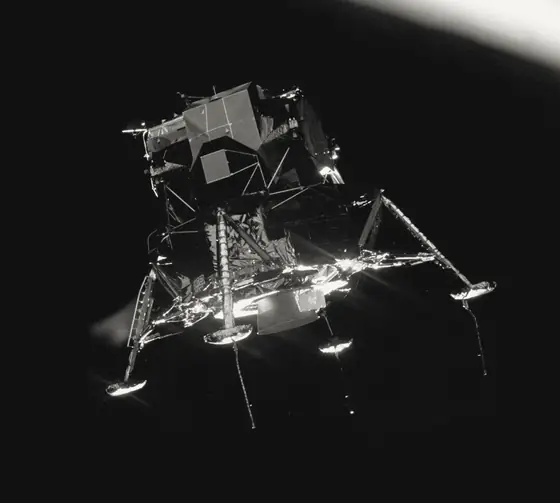
Apollo 11 program alarms (1969)
Apollo 11 landing, 1969: why did the guidance computer keep restarting, and why was it safe to land?
CH 06Engineering & technology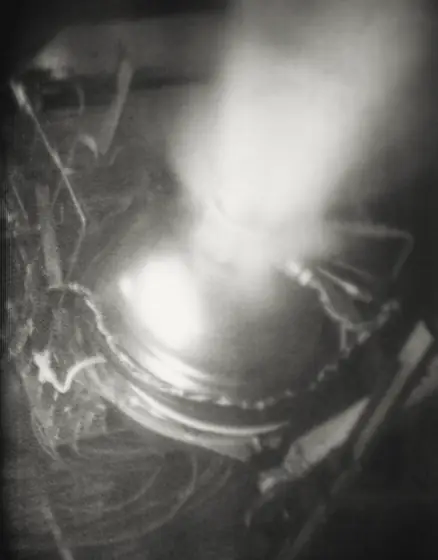
Apollo 13
Apollo 13, 1970: reconstruct a component’s hidden history
CH 31Engineering & technology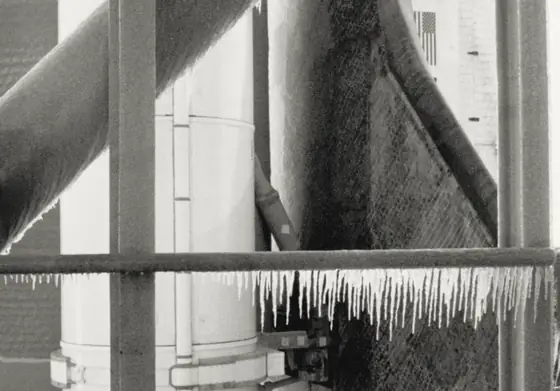
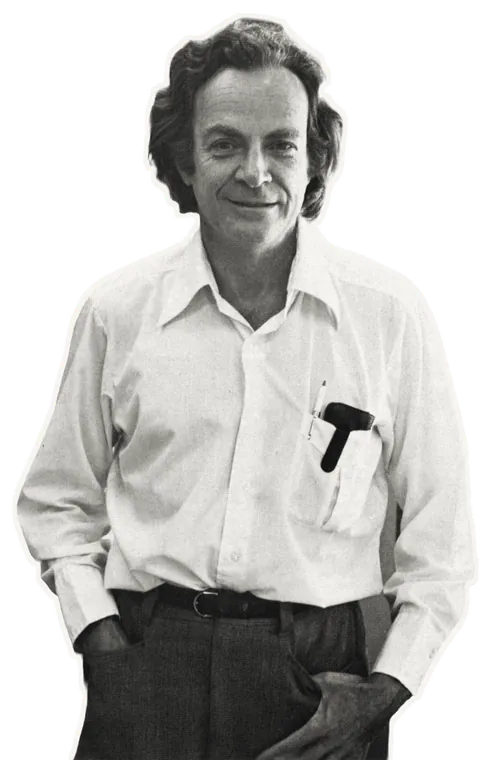
Challenger disaster
Challenger, 1986: erosion, cold joints and the decision to launch
CH 04Engineering & technology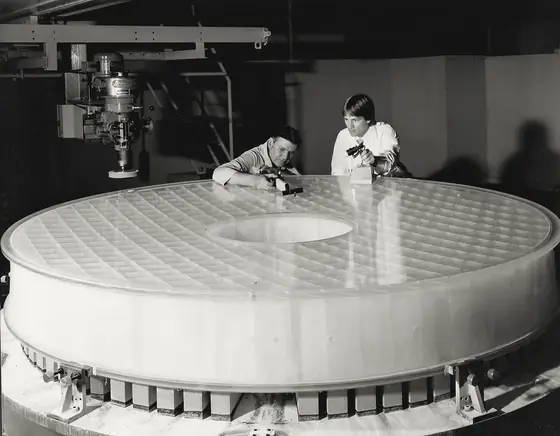
Hubble Space Telescope
Hubble, 1990: precision without independent accuracy
CH 03Engineering & technology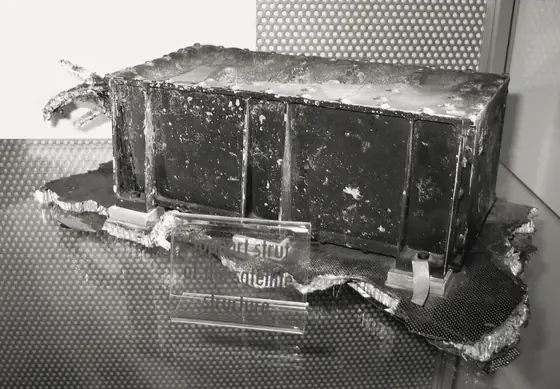
CH 33Engineering & technology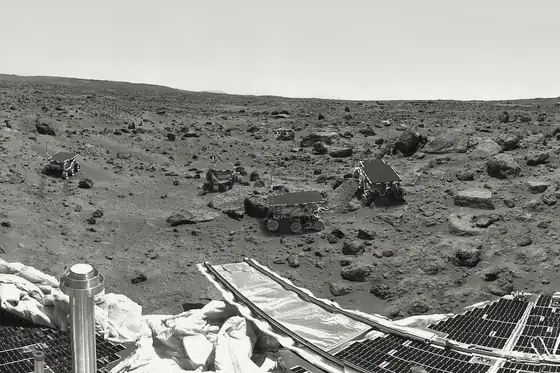
Mars Pathfinder software resets
Mars Pathfinder, 1997: how a shared lock became a spacecraft reset
CH 02Engineering & technology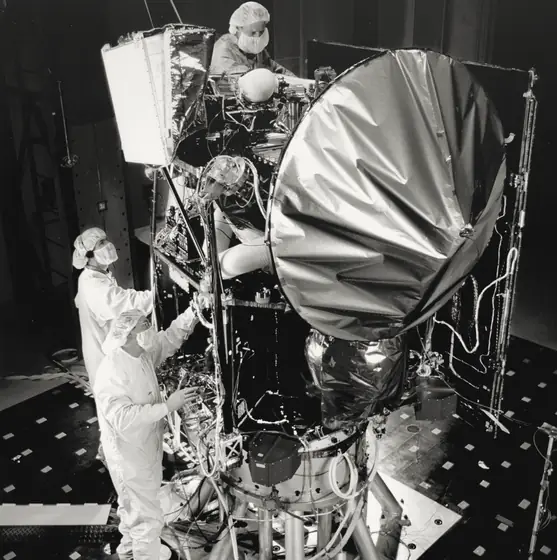
Mars Climate Orbiter
Mars Climate Orbiter, 1999: an interface failure across Earth
CH 08Engineering & technology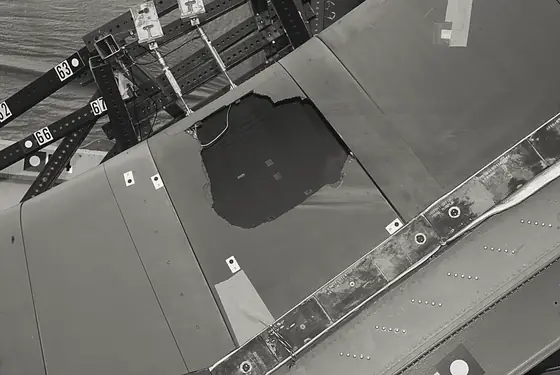

Space Shuttle Columbia
Columbia, 2003: distinguish missing evidence from evidence of safety
CH 63Engineering & technology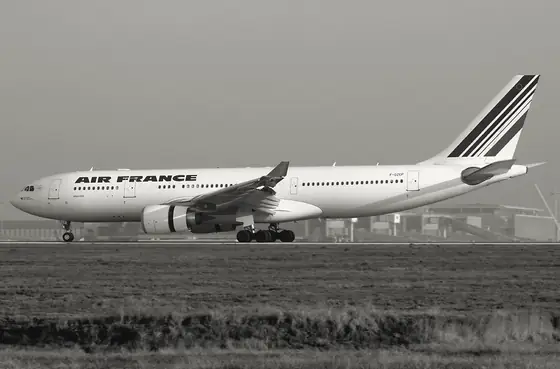
Air France 447 crash (2009)
Air France 447, 2009: how did a brief loss of airspeed data turn into a stall from cruise altitude?
CH 77History & technology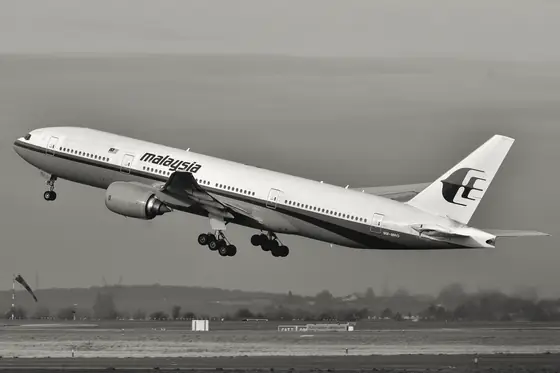
MH370 disappearance (2014)
Malaysia Airlines flight MH370, 2014: where did the satellite data place the aircraft?
CH 64Engineering & technology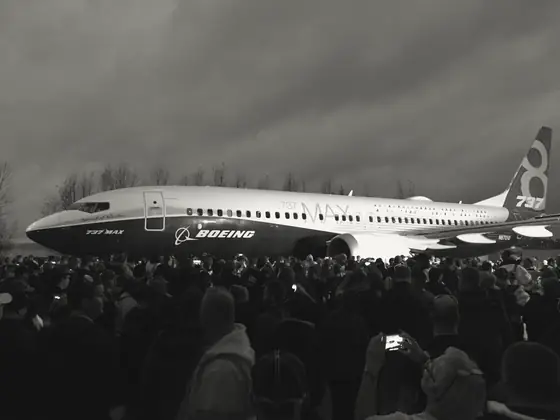
Boeing 737 MAX MCAS crashes (2018–2019)
Lion Air 610 (2018) and Ethiopian 302 (2019): how could one angle-of-attack sensor command a new airliner nose-down again and again?
CH 67Engineering & technology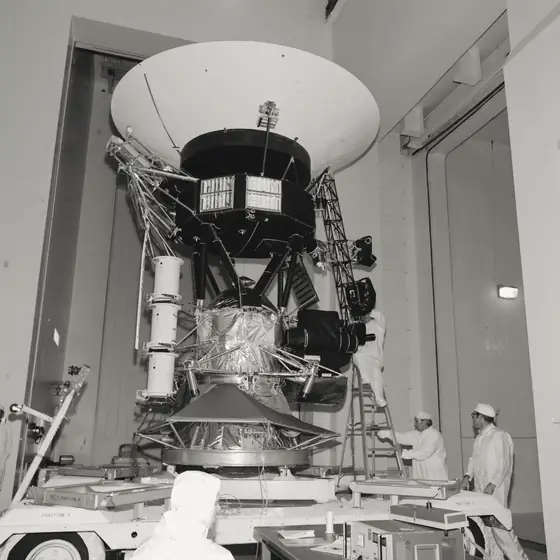
Voyager 1 memory fault (2023–2024)
Voyager 1, November 2023 to April 2024: how did engineers diagnose a failed memory chip from interstellar distance, and work around it?
CH 65Engineering & technology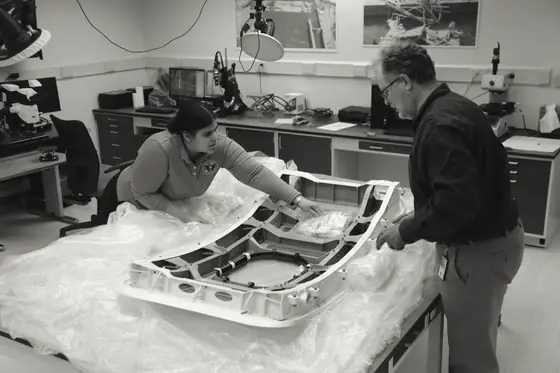
Alaska Airlines Flight 1282 door plug (2024)
Alaska Airlines 1282, 2024: how did a 737 MAX 9 leave the factory without the bolts that held a door plug in place?
CH 68Engineering & technology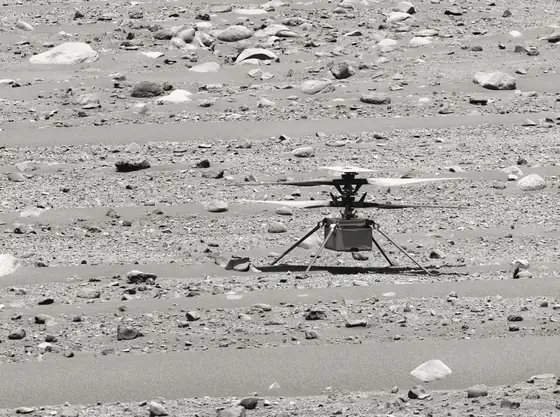
Ingenuity Mars helicopter final flight (2024)
Ingenuity Mars helicopter, 18 January 2024: what brought down the first aircraft on another world?
CH 23Science & technology
GPS and relativity
GPS: a design investigation, not a historical outage
From the journal
Automation surprise: when a system does something elseWhen an automated system changes mode or acts on a bad input, the crew must work out what it is doing. Five cases show what made that hard.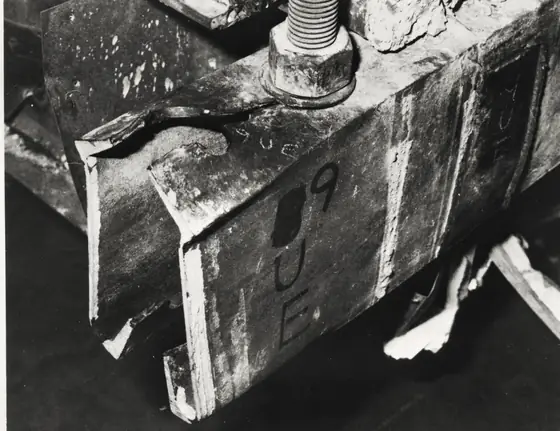 How to read an accident report: findings, causes and limitsOfficial investigation reports separate what was measured from what was concluded and what should change. Learn to read each layer and test its claims.Normalization of deviance: when warnings become routineDiane Vaughan's concept explains how anomalies become acceptable one flight at a time. Learn to recognize the pattern and what would reopen the question.
Other topicsSoftware failures 15Bridges, buildings and structures 12Energy and power grids 7Medicine and public health 11Mysteries and open questions 7Extraordinary claims and replication 9Markets, money and fraud 6Weather, climate and the Earth 11Ships and the sea 9Investigations from the 2020s 12Astronomy and physics 13