

CH 36Environment & history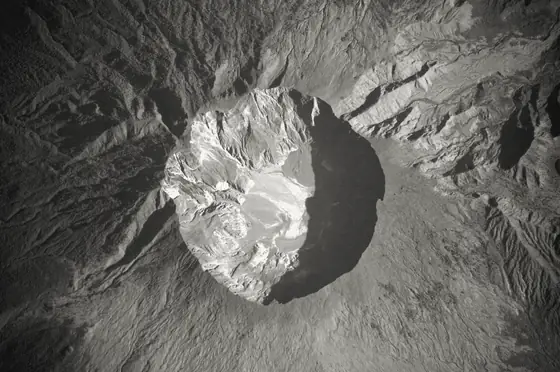
The cold summer after Tambora
Mount Tambora eruption (1815)
Tambora, 1815-1816: how far can one eruption explain one cold summer?
Dossier · 11 case files · 1815–2021
A volcanic winter, killer smog, a hurricane, the Dust Bowl, the ozone hole, a gas-filled lake and a solar storm: how investigators read the Earth.
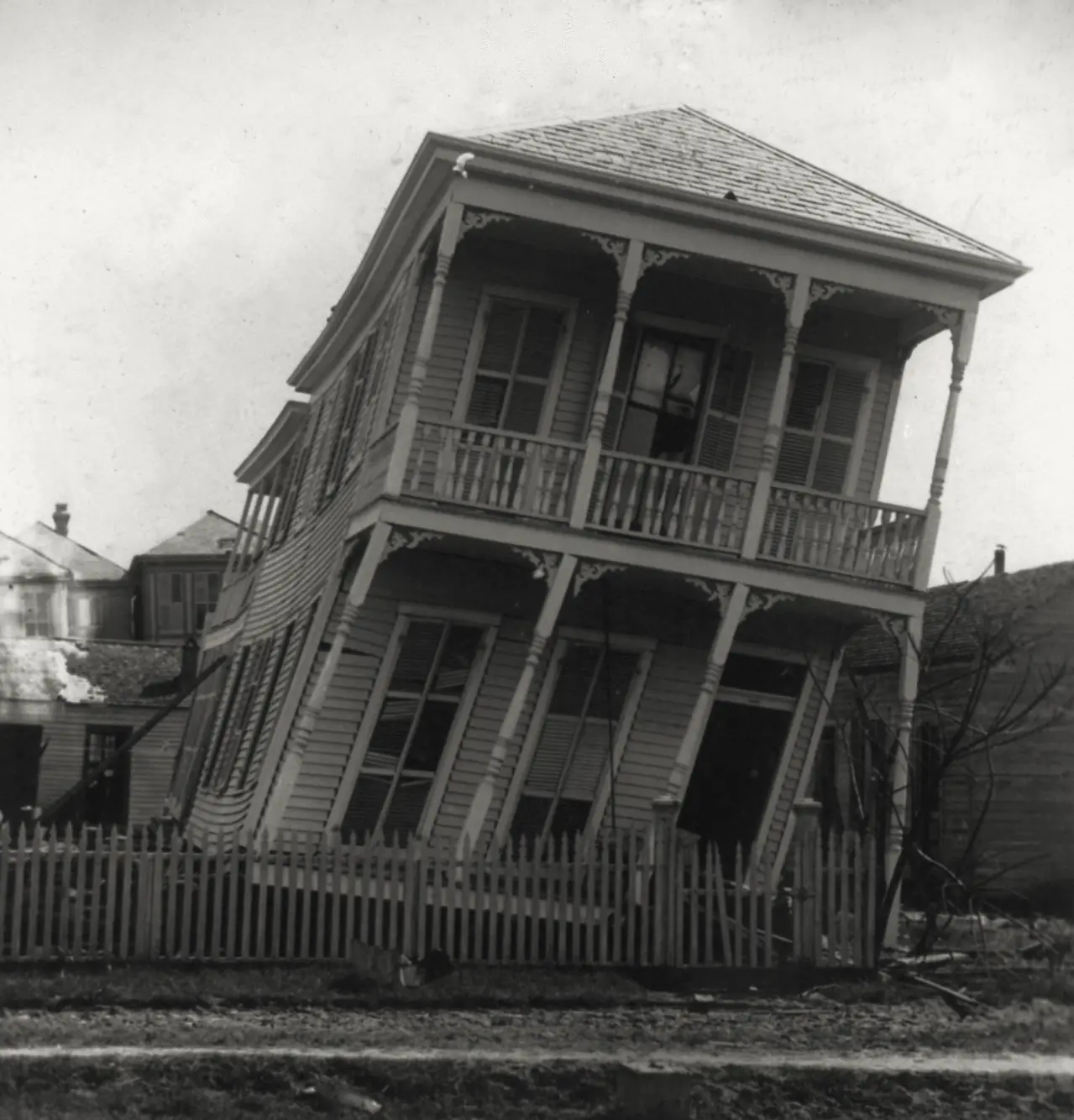
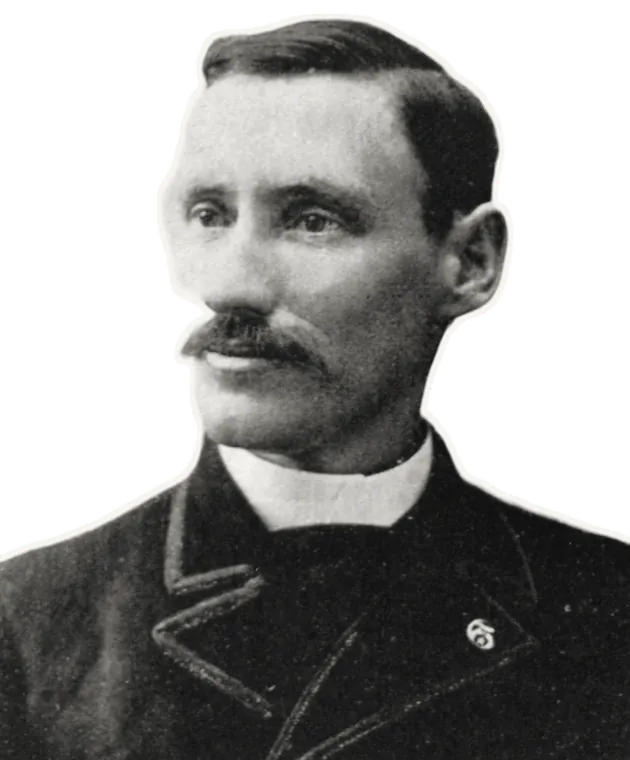
Backdrop: A two-storey house twisted out of true by the 1900 Galveston hurricane. Unknown (Wikimedia Commons) · Public domain · Wikimedia Commons. Figure: Isaac M. Cline. Weather Bureau official in charge at Galveston in 1900 (c. 1900). Unknown photographer · Public domain · Wikimedia Commons.
Some of the most consequential events in these files were not built by anyone. A volcano dims a year's summer, a temperature inversion traps a city's smoke, a lake releases a cloud of carbon dioxide, a storm on the Sun sets telegraph lines sparking. People's choices still shaped the damage, from farming methods to forecasting.
These investigations use instrument records, field studies and official inquiries. They show how scientists separated natural causes from human ones, and how a measurement taken for another purpose often became the key evidence.
In date order of the event. Each file is a full investigation: briefing, source-linked evidence, reasoning steps and findings.
CH 36Environment & history
Mount Tambora eruption (1815)
Tambora, 1815-1816: how far can one eruption explain one cold summer?
CH 82Science & Discovery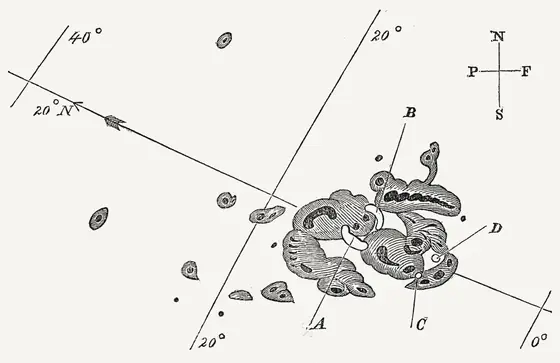
Carrington Event (1859)
Solar storm, 1859: how large was the flare that preceded it?
CH 39Environment & history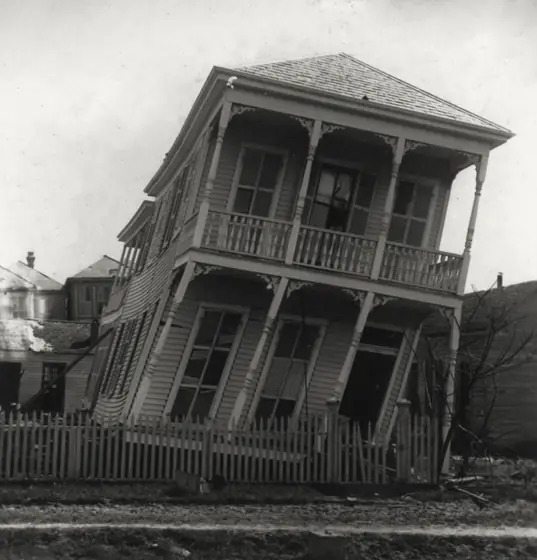
1900 Galveston hurricane
Galveston, 1900: forecasting limits, Weather Bureau warnings and an island city without a seawall
CH 43Environment & history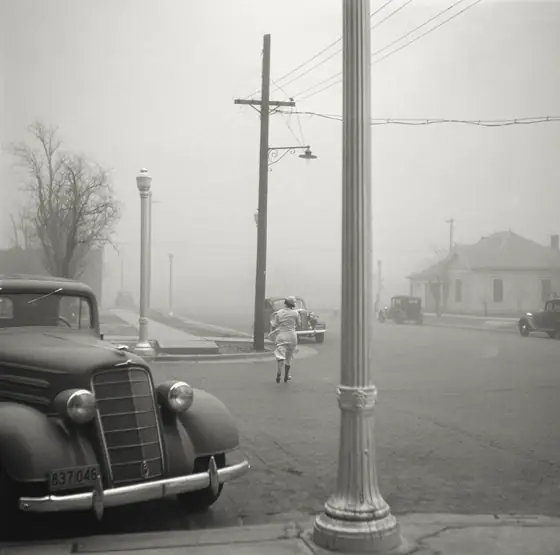
Dust Bowl
Southern Great Plains, 1930s: did drought alone create the dust storms?
CH 19Environment & history
CH 13Science & Discovery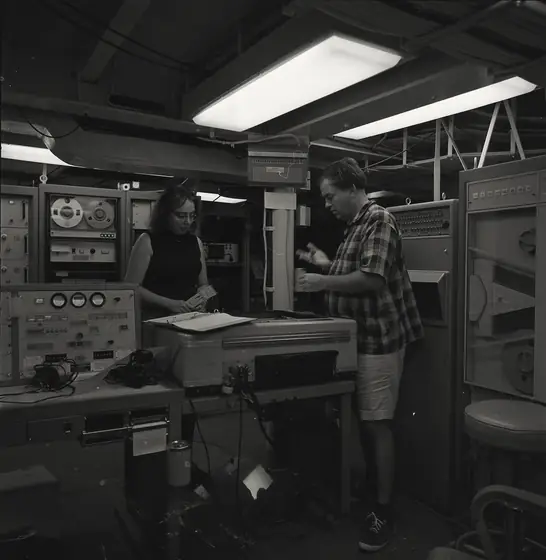
Seafloor spreading
Symmetric magnetic stripes test an idea about moving continents.
CH 14Science & Discovery
Chicxulub impact
A chemical anomaly needs a source, a date, and a mechanism.
CH 12Science & Discovery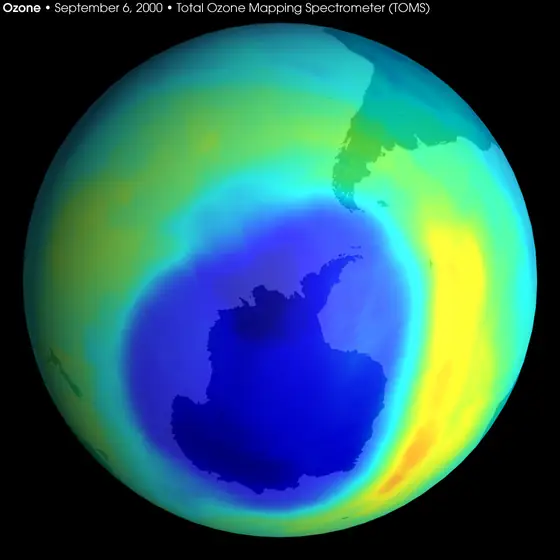

Antarctic ozone hole
A long-running measurement changes when nobody expects it to.
CH 72Environment & history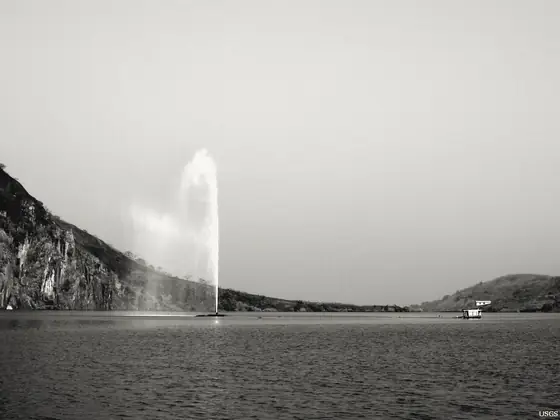
Lake Nyos gas disaster (1986)
Cameroon, 1986: where did the carbon dioxide come from, and what released it?
CH 61Engineering & technology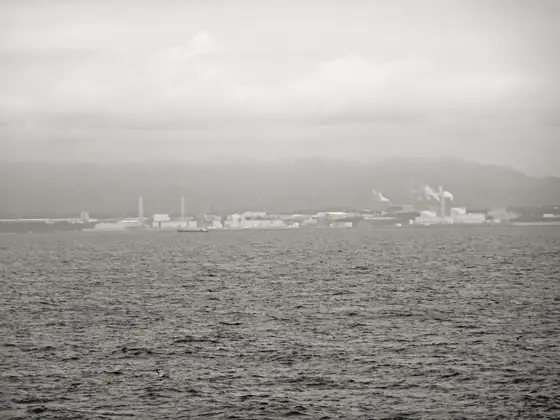
Fukushima Daiichi accident (2011)
Japan, 11 March 2011: why did the tsunami defeat the plant's cooling?
CH 79Systems & energy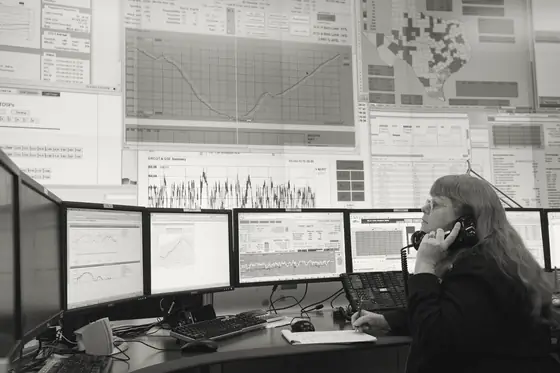
Texas grid freeze (2021)
The Texas grid, 2021: which failures pushed the system to the edge of collapse?
From the journal
 Competing hypotheses in practice: list the rivals, then test themA favored explanation can make every observation look like support. Learn how listing rivals and seeking evidence against them worked in four cases.When nature runs the experiment: natural tests of causeWeather, seasons and epidemics sometimes change conditions for us. Learn to read such events as tests, and to see what they cannot prove on their own.
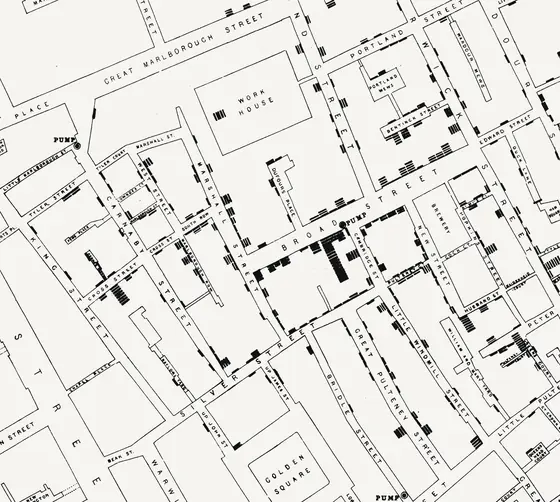 Confounding: why two groups can differ for other reasonsComparing groups can reveal causes or mislead about them. Learn how confounders, natural experiments and seasonal patterns change what a comparison shows.
Other topicsSoftware failures 15Aviation and spaceflight 16Bridges, buildings and structures 12Energy and power grids 7Medicine and public health 11Mysteries and open questions 7Extraordinary claims and replication 9Markets, money and fraud 6Ships and the sea 9Investigations from the 2020s 12Astronomy and physics 13