

CH 09Science & Discovery
Science & discovery · 24 case files
Scientific discovery investigations.
Anomalies, measurements and experiments: how careful observation turned a mismatch into new knowledge, or exposed an error.
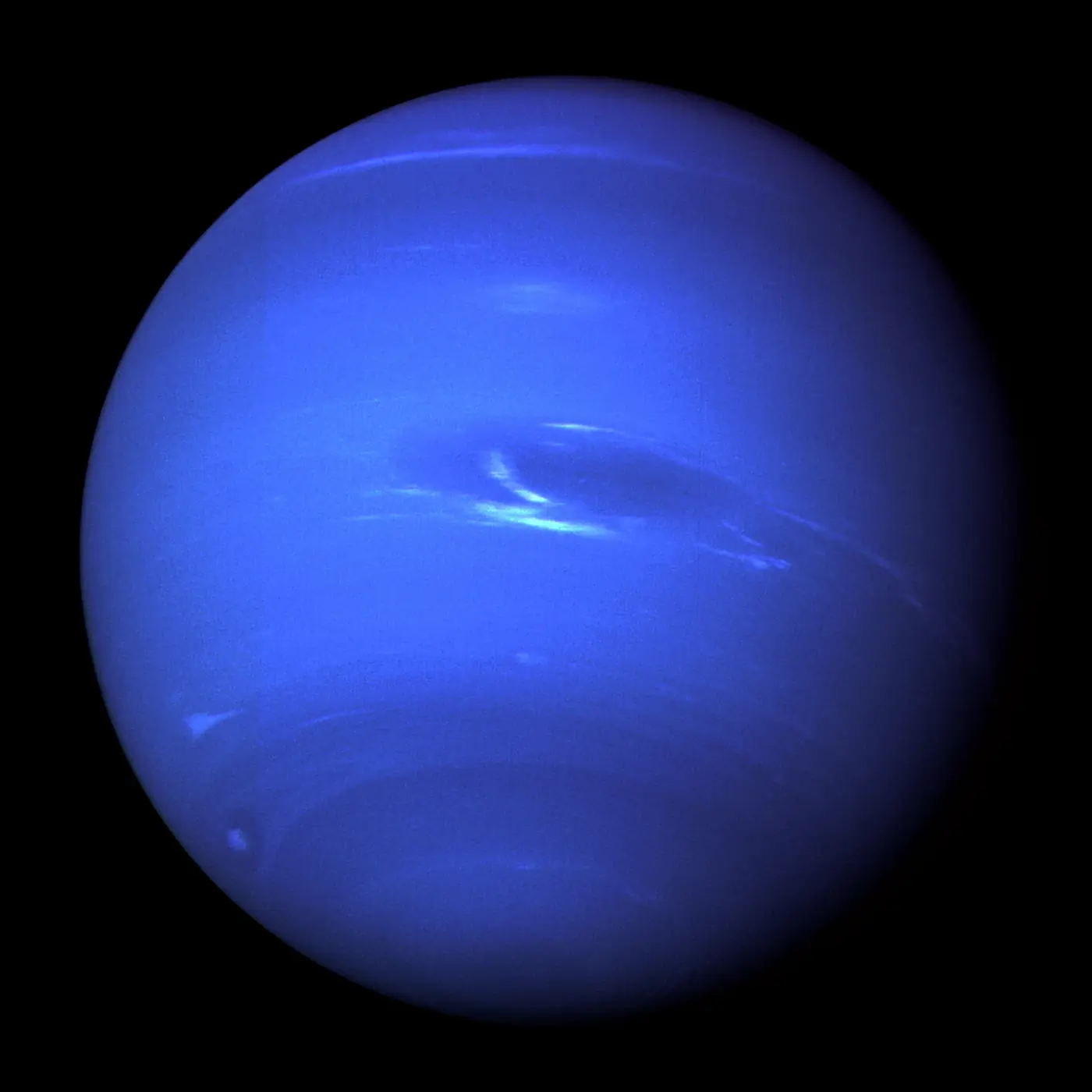
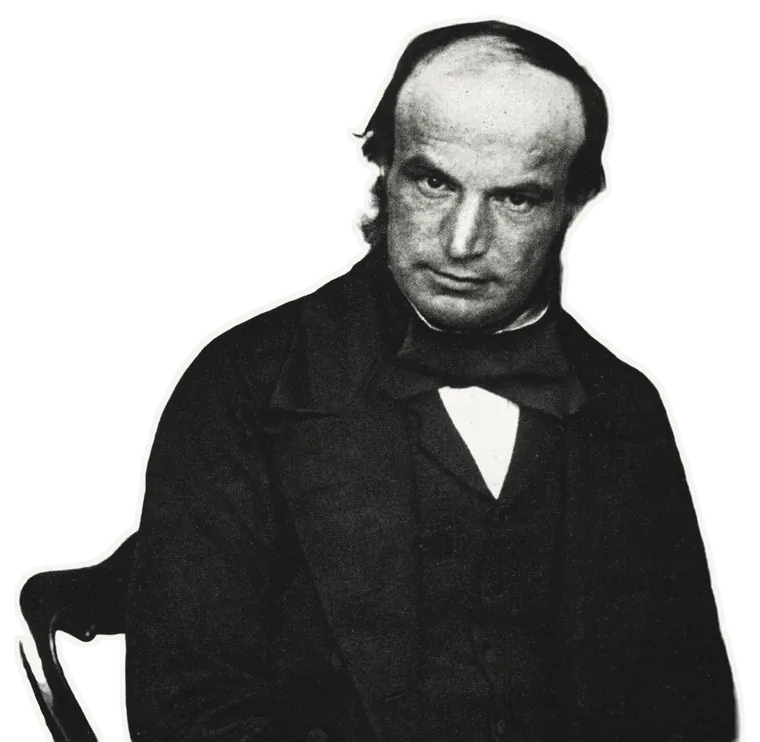
Backdrop: Neptune photographed by Voyager 2 in 1989. In 1846 it was found because Uranus kept drifting from its predicted path. NASA · Public domain · Wikimedia Commons. Figure: John Couch Adams. Mathematician who also worked out where an unseen planet should be, in the 1840s (c. 1870). Unknown photographer · Public domain · Wikimedia Commons.
Discovery often starts with something that does not fit: a planet in the wrong place, a hiss that will not go away, a ward where more mothers die, a signal that seems to travel faster than light. What happens next decides whether the anomaly becomes knowledge or an embarrassment.
These investigations follow the original papers and institutional histories. They ask what each measurement could and could not establish, how competing explanations were tested, and why replication, controls and independent lines of evidence matter more than a single striking result.
- 3 beginner
- 16 intermediate
- 5 advanced
Other fieldsEngineering & technologyHistory & systems
CH 10Science & Discovery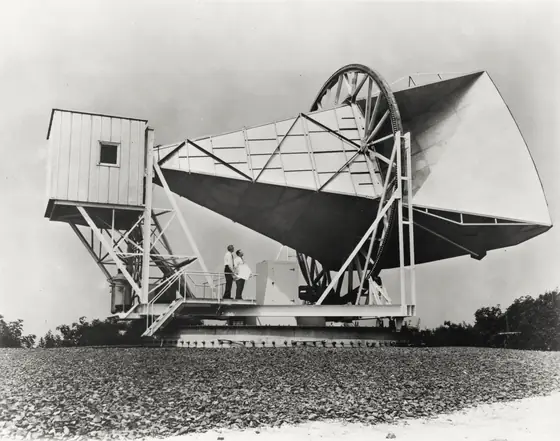

The Noise That Filled the Sky
Cosmic microwave background
An antenna’s unwanted signal becomes a cosmological clue.
CH 11Science & Discovery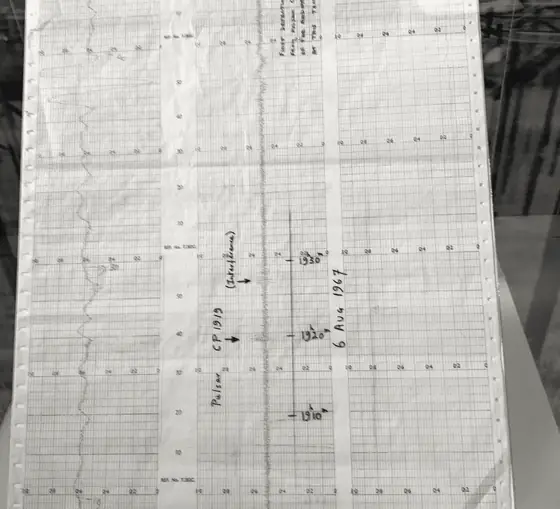

The Clock in the Scruff
Discovery of pulsars
A recurring mark on a chart challenges the interference explanation.
CH 12Science & Discovery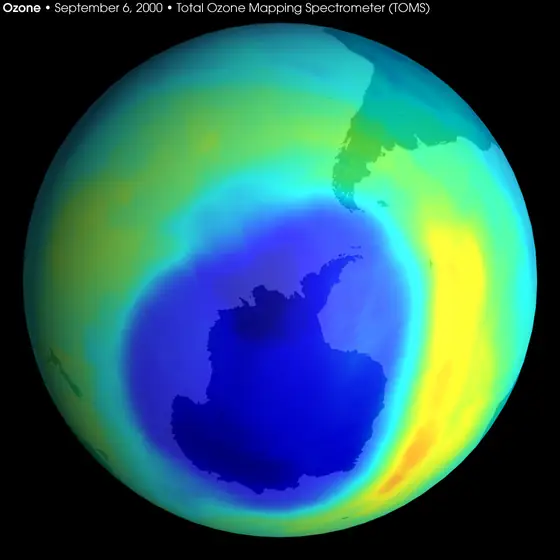

The Antarctic Spring Gap
Antarctic ozone hole
A long-running measurement changes when nobody expects it to.
CH 13Science & Discovery
The Ocean-Floor Tape
Seafloor spreading
Symmetric magnetic stripes test an idea about moving continents.
CH 14Science & Discovery
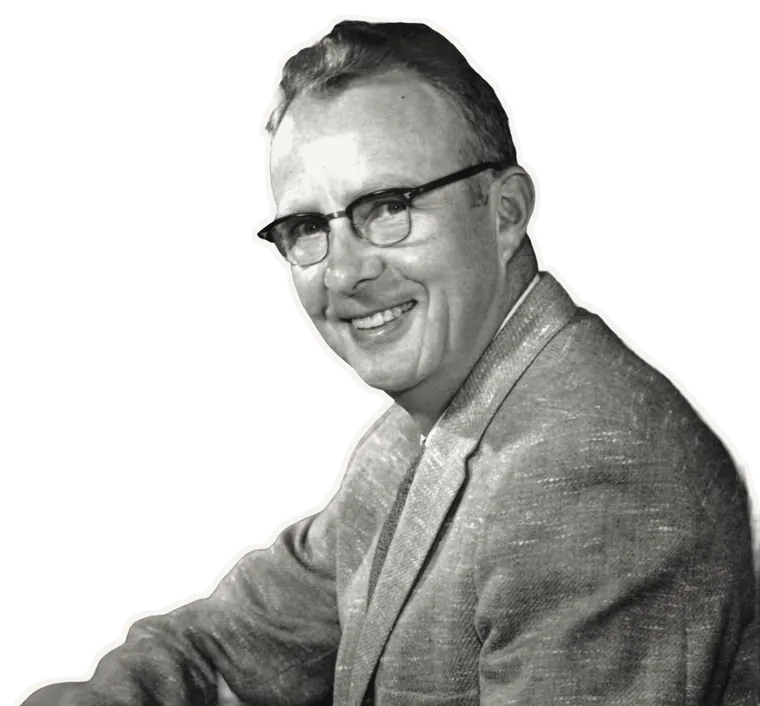
The Boundary and the Crater
Chicxulub impact
A chemical anomaly needs a source, a date, and a mechanism.
CH 15Science & Discovery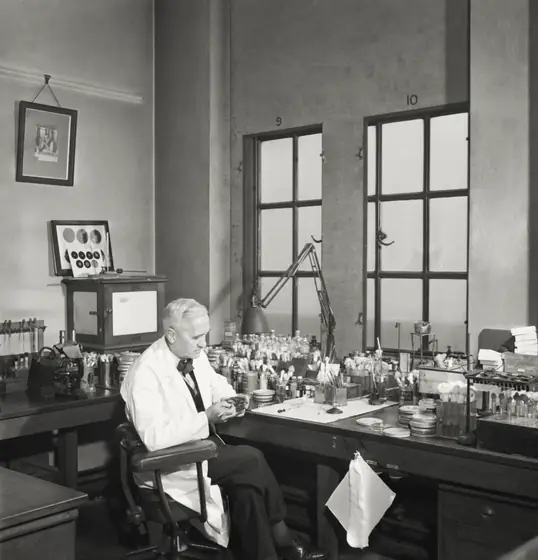
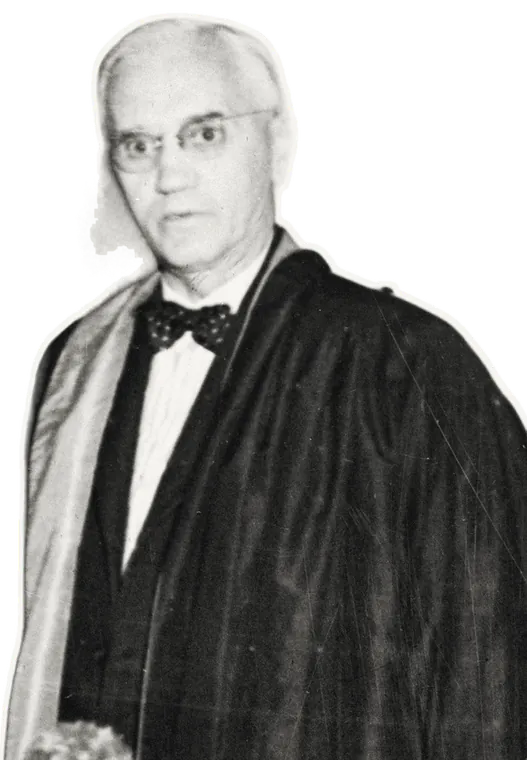
CH 16Science & Discovery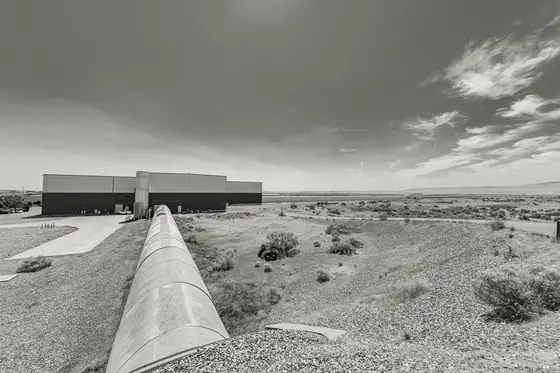

The Chirp in Two Places
GW150914 gravitational waves
A fleeting signal must survive an extraordinary noise investigation.
CH 23Science & technology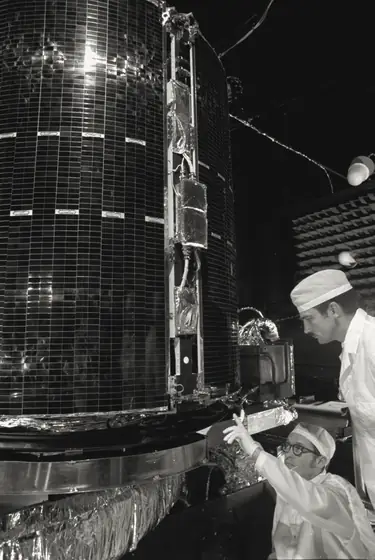
The clock that is right in the wrong place
GPS and relativity
GPS: a design investigation, not a historical outage
CH 45Science & Discovery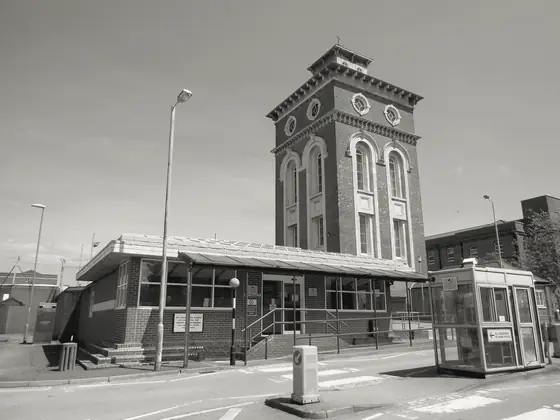
Twelve sailors and six remedies
James Lind's scurvy trial (1747)
HMS Salisbury, 1747: which scurvy remedy did the trial support, and why did the Navy take decades to act?
CH 46Science & Discovery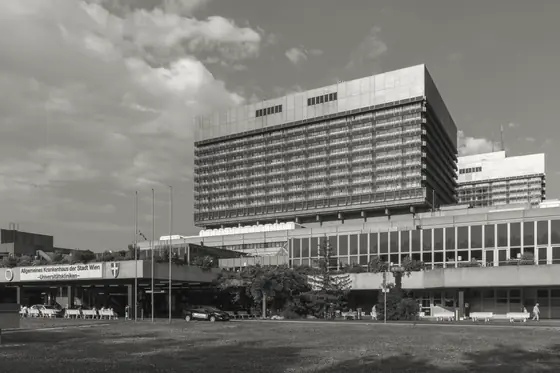
Two wards and one difference
Semmelweis and puerperal fever
Vienna General Hospital, 1846-1847: why two maternity divisions had such different death rates
CH 47Science & Discovery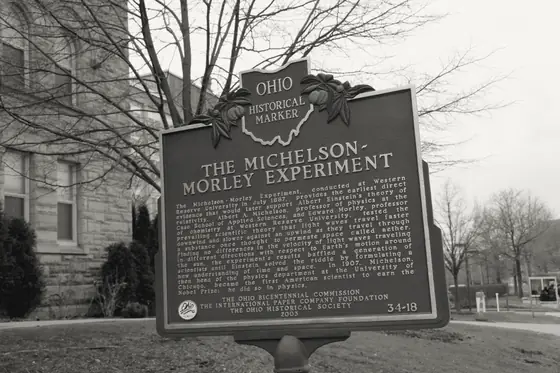
A fringe that barely moved
Michelson-Morley experiment
Cleveland, 1887: why an interferometer test of Earth's motion through the ether found almost nothing
CH 48Science & Discovery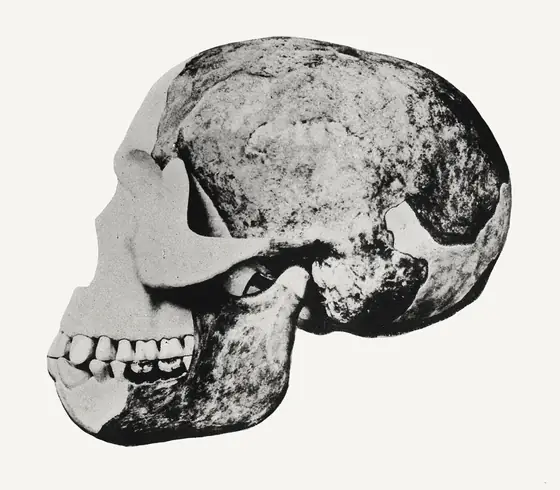
The skull assembled to deceive
Piltdown Man hoax
Piltdown, Sussex, 1912-1953: how a celebrated fossil was shown to be a composite forgery
CH 49Science & Discovery
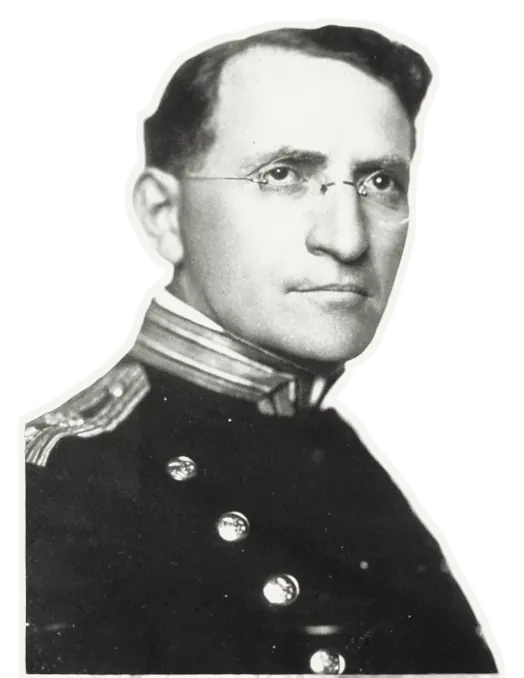
A disease that spared the staff
Pellagra and diet (1914 to 1937)
Southern United States, from 1914: was pellagra an infection, a dietary deficiency, or something the record cannot yet separate?
CH 50Science & Discovery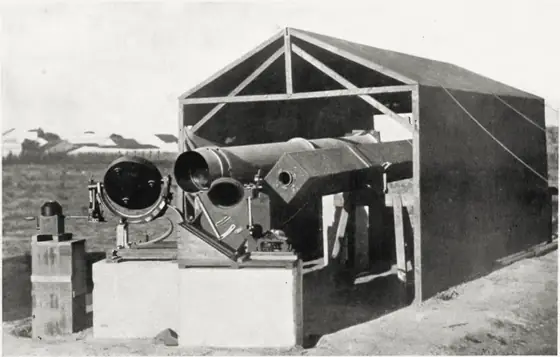
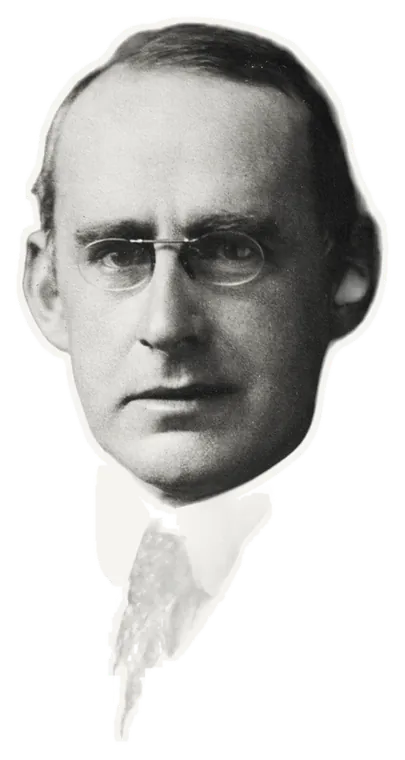
Starlight bent by the Sun
1919 eclipse test of general relativity
Sobral and Príncipe, 1919: did the eclipse photographs settle a test of general relativity?
CH 51Science & Discovery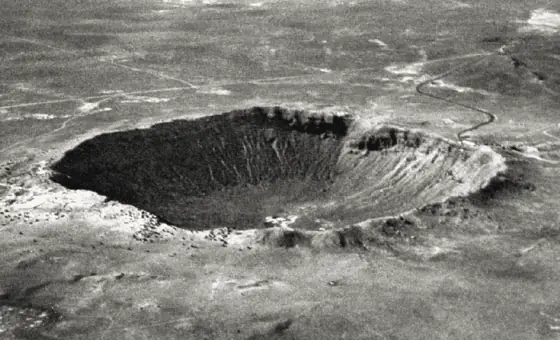
The lead that dated the Earth
Lead isotope dating of the Earth and leaded gasoline
Caltech, 1950s: what did lead from an iron meteorite date, and why did ordinary lead keep interfering with the measurement?
CH 52Science & Discovery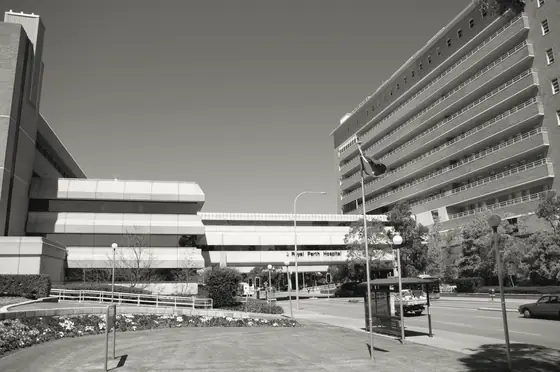

The bacterium ulcers hid
Helicobacter pylori and peptic ulcer
Royal Perth Hospital, 1982-1985: could a stomach bacterium cause ulcers rather than merely accompany them?
CH 53Science & Discovery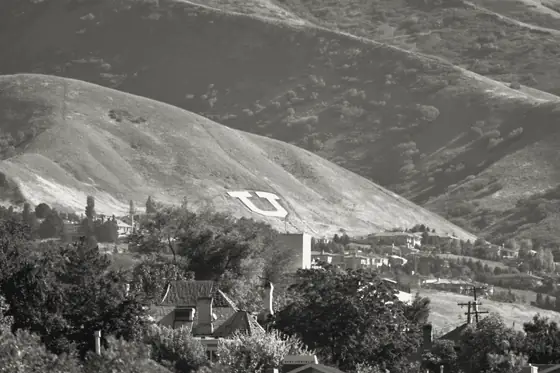
Heat without the expected signature
Cold fusion claim, 1989
University of Utah, 1989: can excess heat from palladium electrolysis be reproduced, and what would a nuclear source require?
CH 54Science & Discovery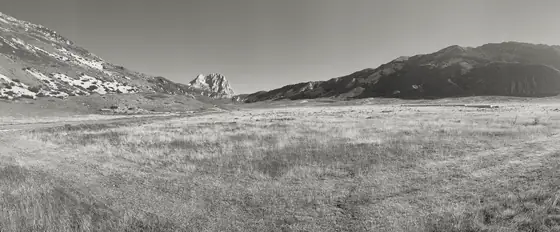

Early neutrinos and a faulty connector
OPERA neutrino timing anomaly (2011 to 2012)
CERN to Gran Sasso, 2011: what caused an apparent speed above light, and how the measurement chain was checked
CH 80Science & Discovery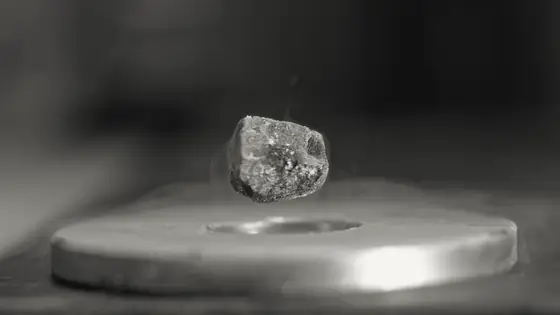
The flake that hung halfway
LK-99 superconductor claim (2023)
LK-99 claim, 2023: did a copper-doped lead compound superconduct at room temperature?
CH 81Science & Discovery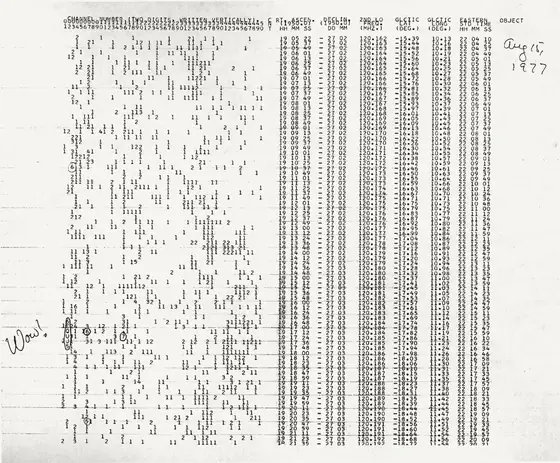
The signal that might have been a cloud
Wow! signal (1977)
Wow! signal, 1977: what can one unrepeated 72-second detection tell us?
CH 82Science & Discovery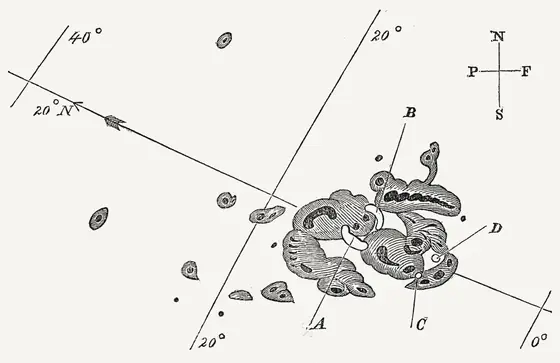
The flare nobody measured
Carrington Event (1859)
Solar storm, 1859: how large was the flare that preceded it?
CH 83Science & Discovery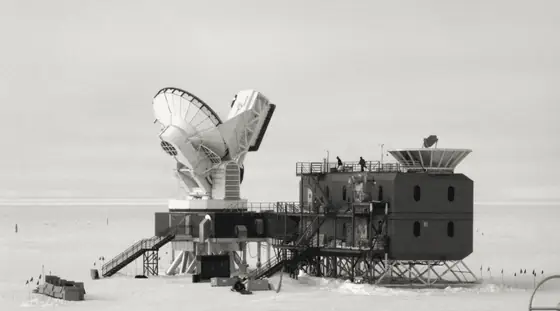
A twist in the oldest light
BICEP2 gravitational wave claim (2014)
Cosmic inflation, 2014: did a polarization signal reveal gravitational waves, or dust in our own galaxy?
CH 84Science & Discovery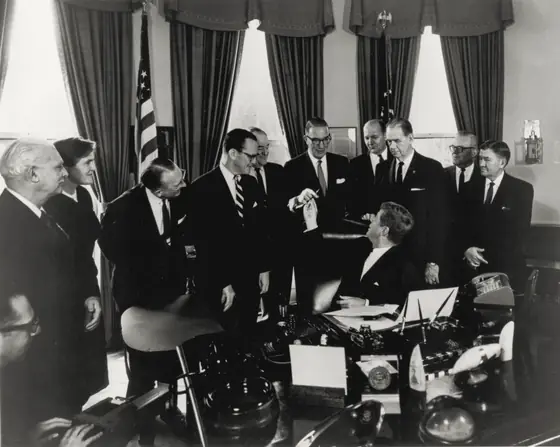
The missing pregnancy data
Thalidomide and the FDA review (1961)
Drug safety, 1961: could a sedative be treated as safe without data on pregnancy?
From the journal
Read the method behind these cases.
- Residuals and discovery: the mismatch that points somewhereSmall gaps between prediction and observation have led to Neptune, pulsars and a cosmic background. Learn how to test a residual before explaining it away.
 When the instrument is wrong: calibration in six casesPrecise instruments can still mislead. Learn to ask what each measurement was compared against, and whether that comparison was itself checked.
- Competing hypotheses in practice: list the rivals, then test themA favored explanation can make every observation look like support. Learn how listing rivals and seeking evidence against them worked in four cases.