Your browser cannot save progress right now. You can still investigate; keep this tab open or enable local storage to save.
This case has been updated. Compatible choices are kept; revisit the evidence before drawing your conclusion.
01 · The briefing
Begin with the question.
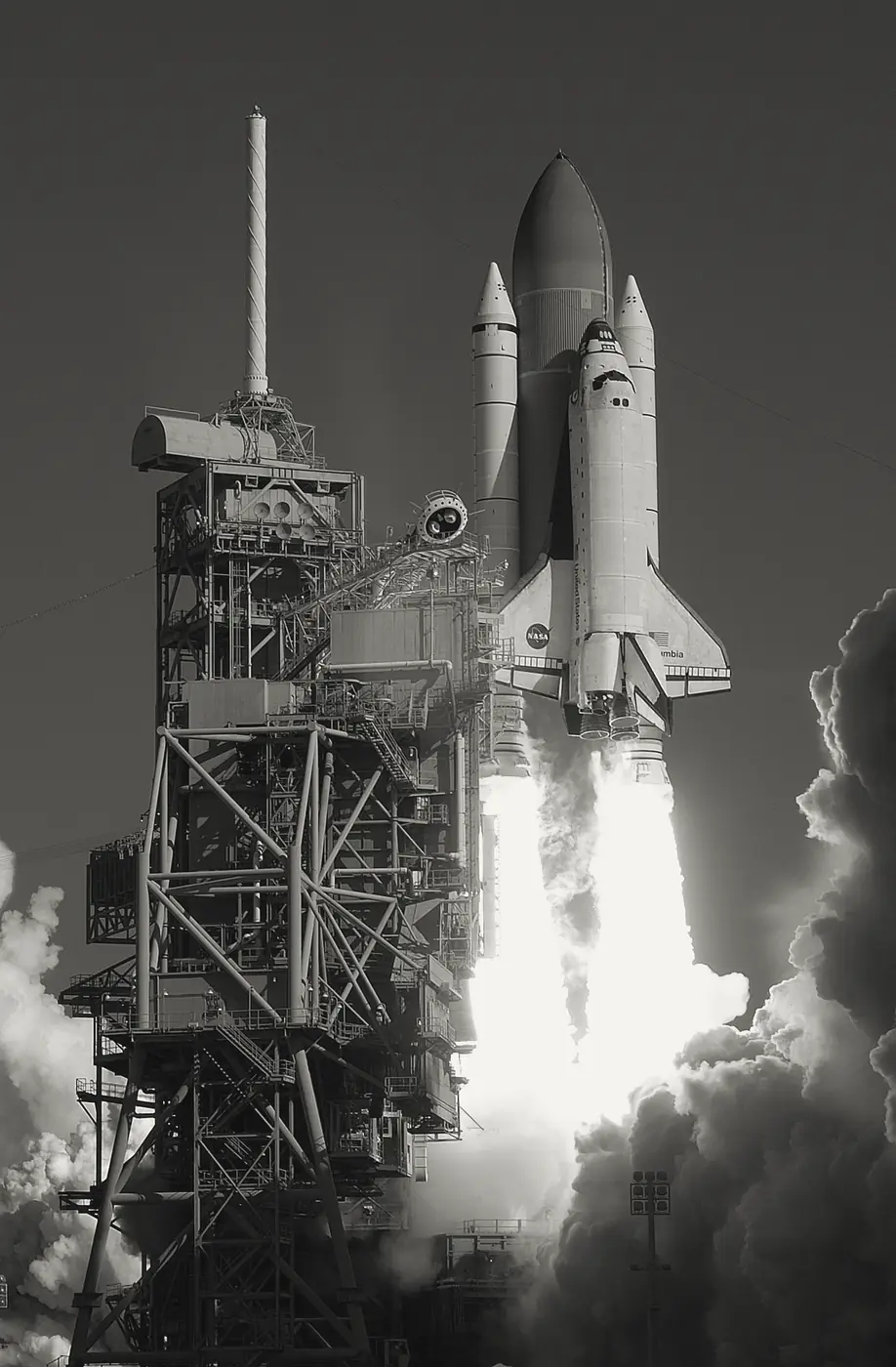
During Columbia’s launch on January 16, 2003, insulating foam separated from the external tank and struck the orbiter’s left wing. The shuttle was lost during re-entry on February 1. The accident investigation connected the strike with a breach in thermal protection, but it also investigated how the organization interpreted evidence and uncertainty. Previous foam shedding had not destroyed a shuttle. That history influenced the treatment of the new event even though past survival did not establish the safety of every possible strike. Your investigation follows the physical mechanism and the reasoning used to judge it. The case concerns the loss of seven people; its purpose is to examine evidence and prevention, not to turn their deaths into entertainment.
The timeline
Columbia launches on mission STS-107.
External-tank foam strikes the left wing leading edge.
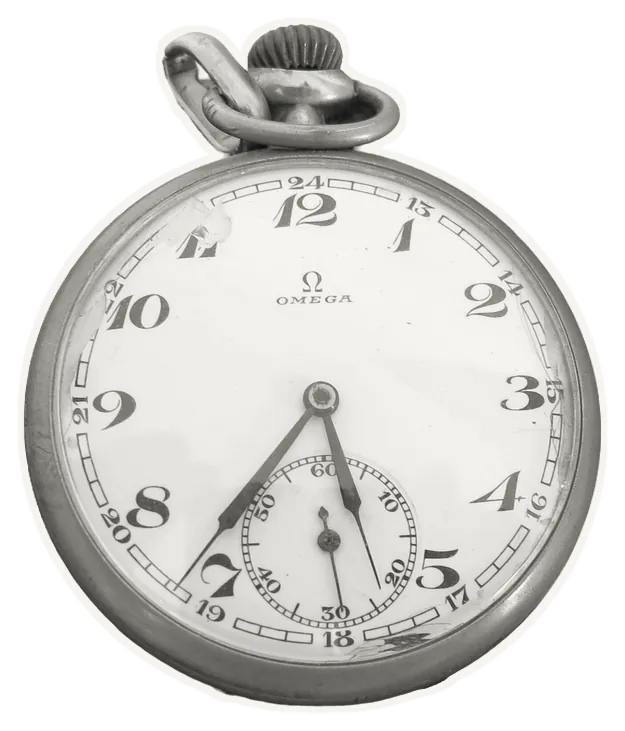
The orbiter is lost during re-entry.
Investigators combine debris, flight data, imagery and impact testing.
The Columbia Accident Investigation Board releases its report.
A researched reconstruction for learning. These reasoning steps simplify a complex record; no score can capture the full history.
02 · The evidence
What does the record show?
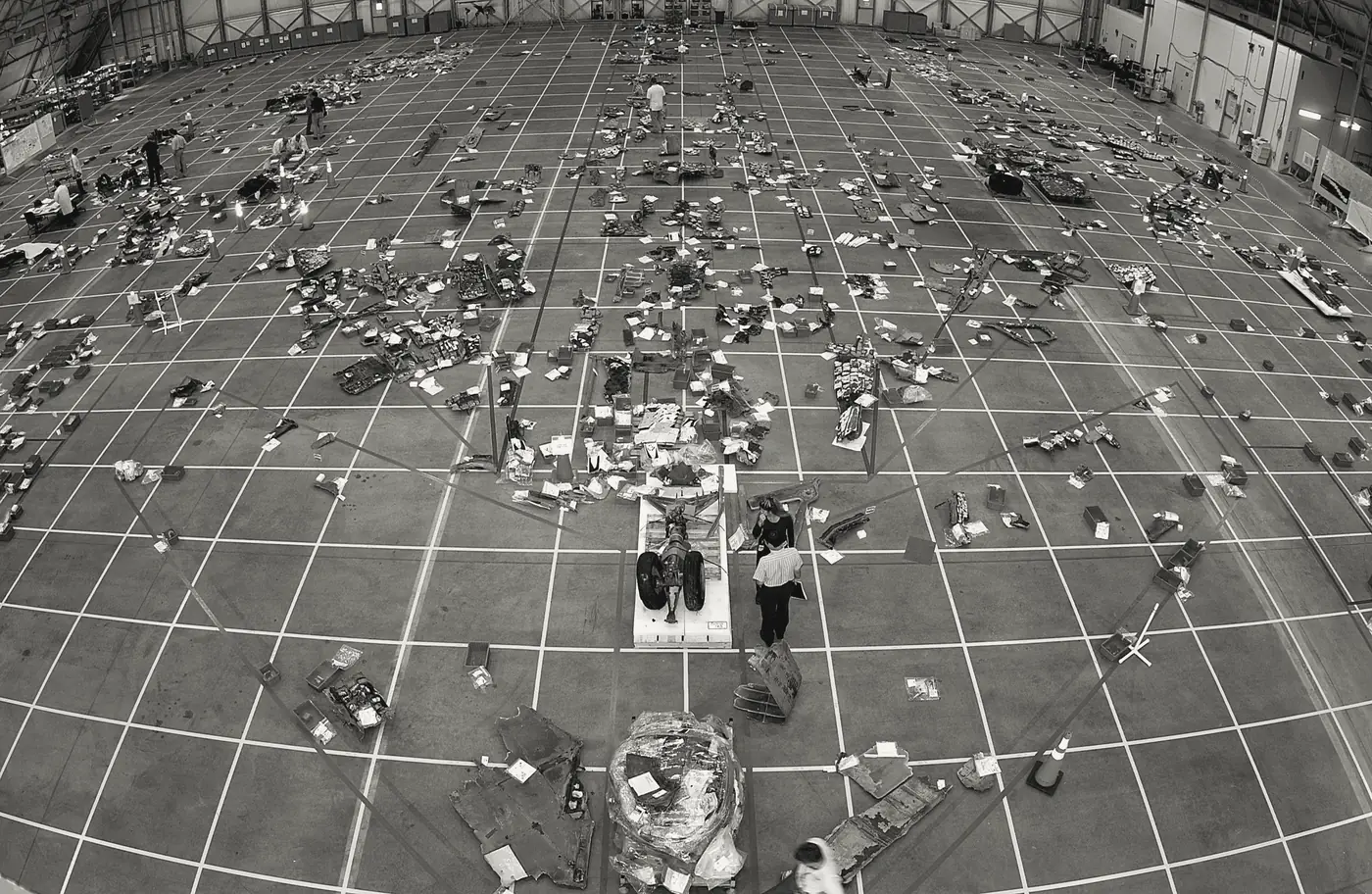
Read each exhibit before settling on an explanation. The numbered source links below every exhibit lead to the record behind it.
A visible strike
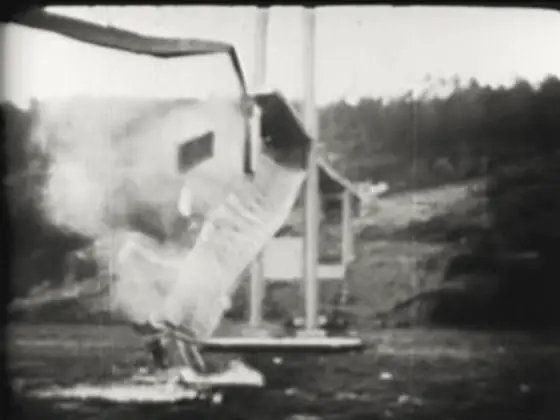
Launch imagery documented foam striking the left wing; the material’s low density alone could not establish harmlessness at impact speed.
Source record [s1]
A vulnerable boundary
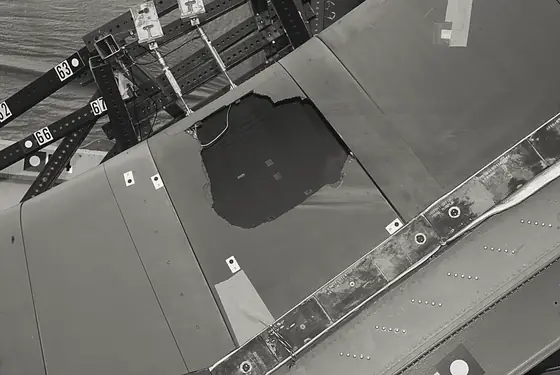
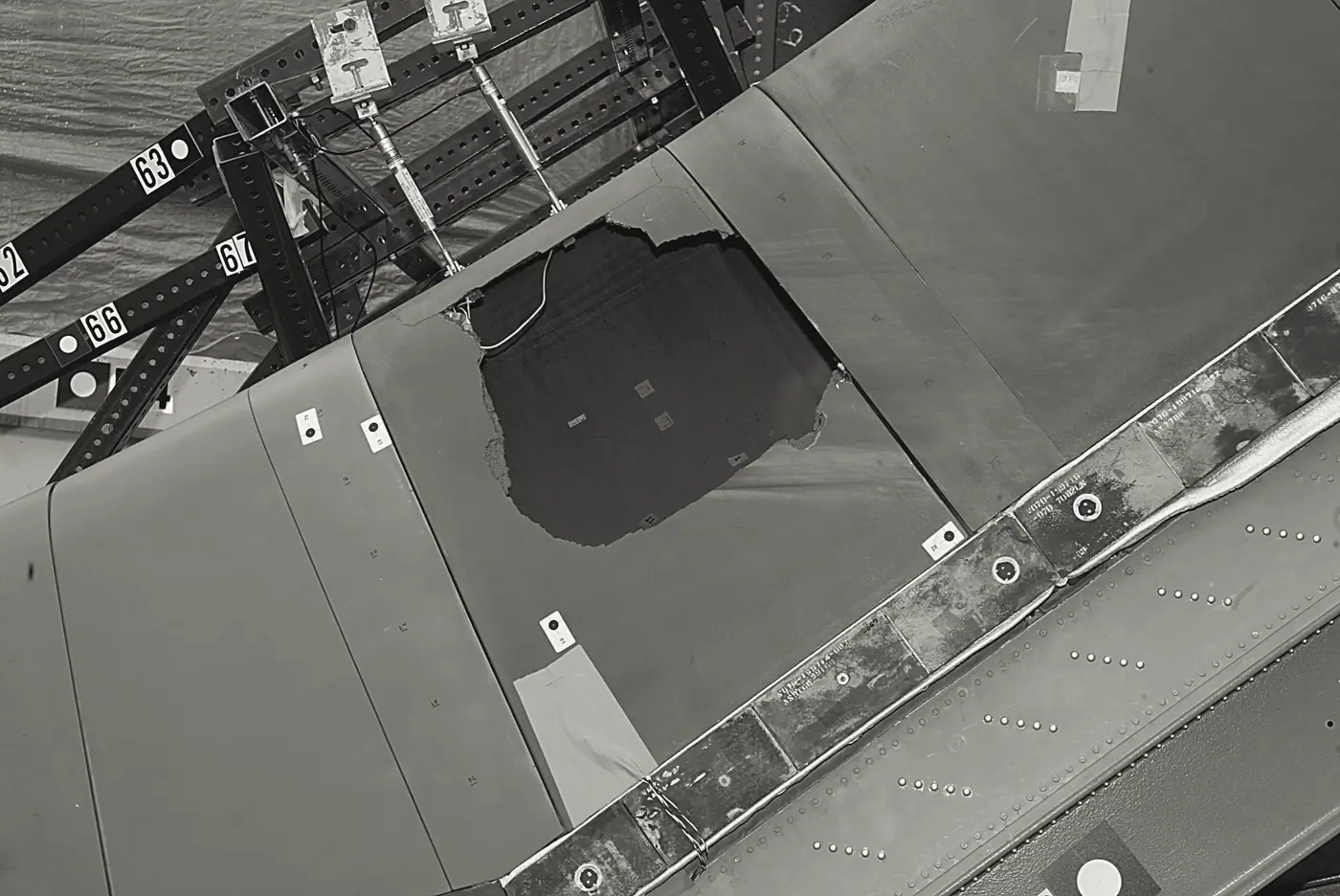
The board identified a breach in the left wing’s thermal protection near reinforced carbon-carbon panel 8.
Source record [s1]
A mechanism across phases
During re-entry, hot gas entered through the breach and damaged the wing’s internal structure.
Source record [s1]
An organizational finding
The board found that reliance on prior success and barriers to communicating safety concerns contributed alongside the physical cause.
Source record [s2]
03 · Your reasoning
Follow the strongest explanation.
Choose an interpretation, then compare it with the evidence. You can revise your choice. The goal is understanding, not a perfect score.
04 · The findings
The chain behind the outcome.
The board concluded that foam damage to the left wing’s thermal protection enabled destructive heating during re-entry. It also treated organizational causes as essential, not as background commentary added after the technical finding. Prior successful flights had become a misleading basis for accepting a recurring anomaly, while communication and decision processes did not adequately resolve the threat. The investigation therefore connects two kinds of failure: a physical protective boundary was breached, and the decision process failed to treat uncertainty as a reason for deeper inquiry. It would be misleading to promise that one photograph or one different meeting necessarily would have saved the crew; the counterfactual possibilities had constraints. The firmer lesson is procedural: test the limits of past experience, actively obtain evidence that can distinguish competing explanations, and give unresolved safety concerns a clear route to authoritative review.
Take the method with you
- Past survival does not define a hazard’s safe boundary.
- Missing evidence of damage is not evidence of no damage.
- Technical mechanisms and organizational causes can both be necessary explanations.
You can read findings at any time. Exploring every reasoning step marks this case as complete in your notebook.
The open record
Sources & further reading
Read the original record and its scope before relying on a conclusion. Source references support the exhibit summaries; Faultory’s reasoning prompts are editorial reconstructions.
- s1
- s2US House hearing — CAIB findings and testimony
www.govinfo.gov
- s3NASA — Columbia lessons and investigation
sma.nasa.gov
Written and curated for Faultory by Yunus Emre Vurgun, with AI-assisted research and drafting. Sources and interpretations can need correction. Read our editorial standards or report an issue.
Keep investigating