Your browser cannot save progress right now. You can still investigate; keep this tab open or enable local storage to save.
This case has been updated. Compatible choices are kept; revisit the evidence before drawing your conclusion.
01 · The briefing
Begin with the question.
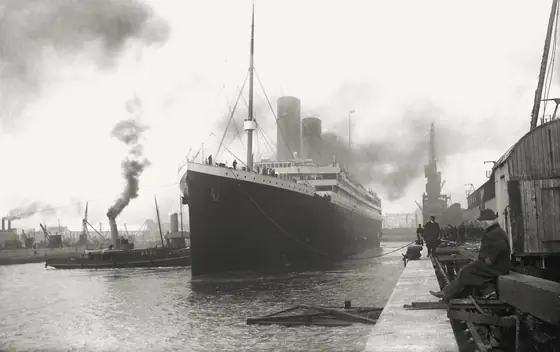
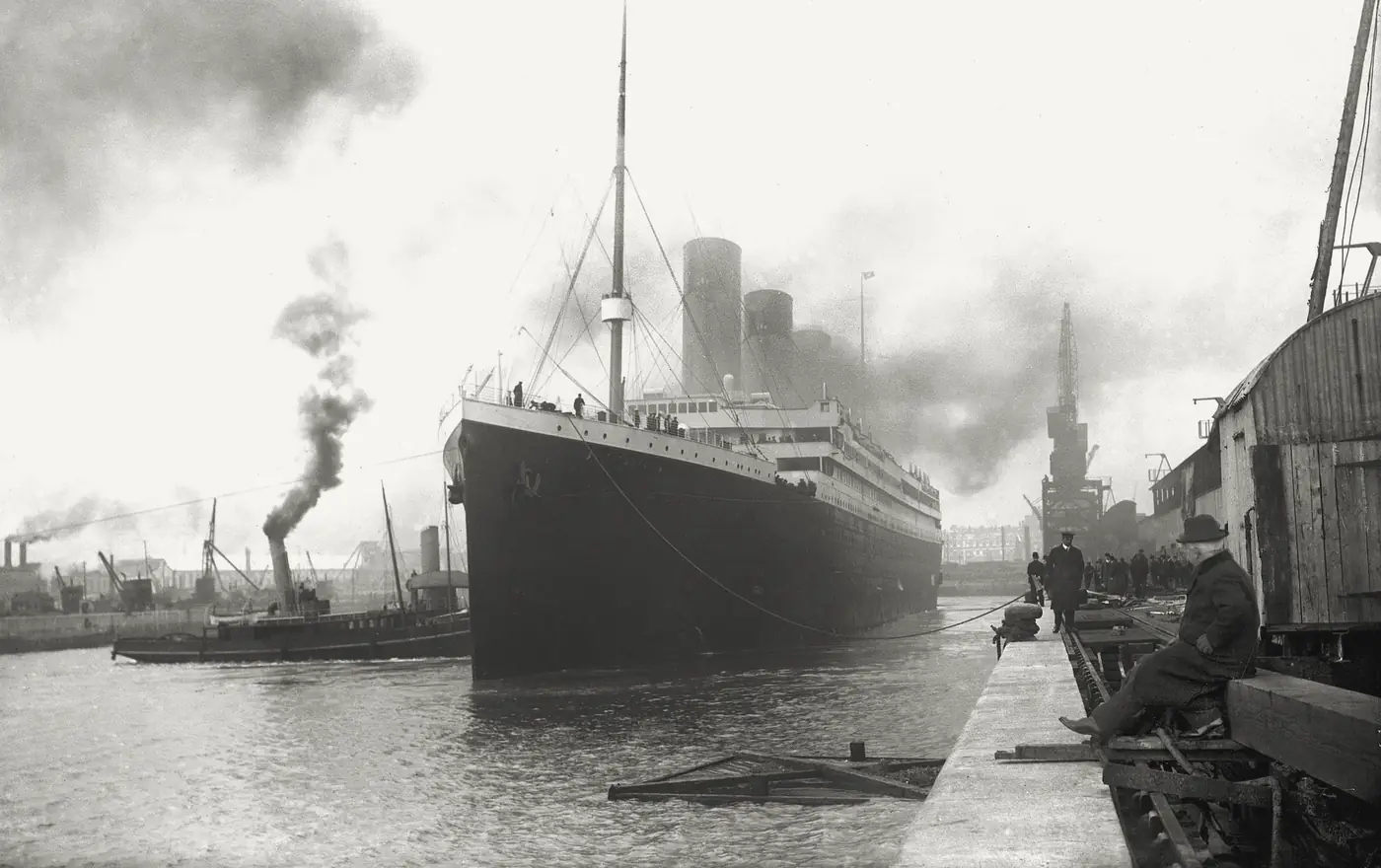
RMS Titanic set out from Southampton in April 1912 on her maiden voyage to New York. On the third day out, ice warnings reached her wireless operators and were passed to the bridge, and the ship continued at high speed. Two inquiries examined what followed. A British inquiry under Lord Mersey, the Wreck Commissioner, delivered a formal finding in July 1912. A United States Senate subcommittee conducted its own hearings and issued a separate report. The two conclusions overlap but are not identical, which is the starting point for this investigation.
The competing explanations are familiar. One holds that the ice was unavoidable: the night was clear, and an iceberg in the path of a fast ship is a matter of chance. A second holds that the ship's speed was the decisive error. A third focuses on the boats: the lifeboats were provided for far fewer people than were aboard, so the loss followed from the provision. The record supports parts of each explanation. This investigation separates three questions: what warnings reached the bridge and how they were treated, how fast the ship was moving and how the inquiries described that speed, and what the boat provision and the later 1914 convention established. Keep the difference between a warning received and a warning acted upon in view, and between a boat's rated capacity and the people who actually reached a boat.
The timeline
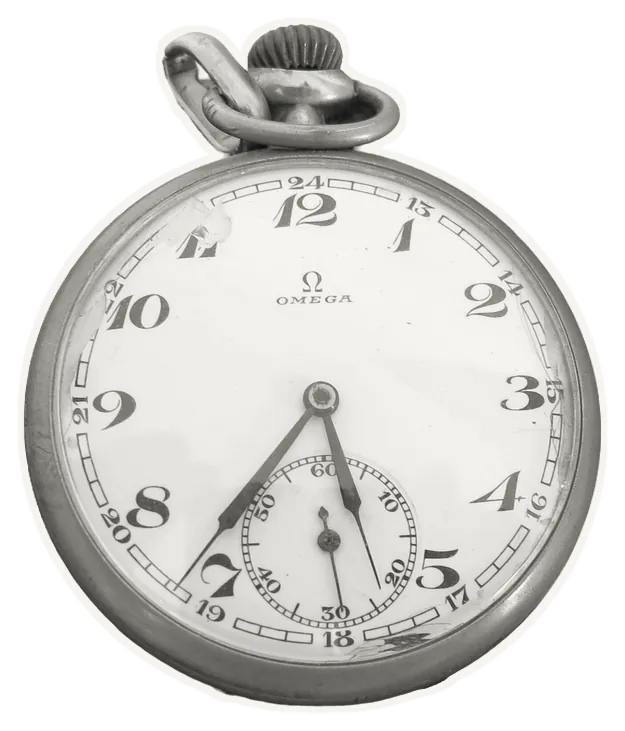
A warning from the Baltic reaches the Titanic about noon; the US Senate report says at least three warnings reached the commander that day.
The ship keeps its high speed; the British inquiry says it was never reduced until the collision was unavoidable.
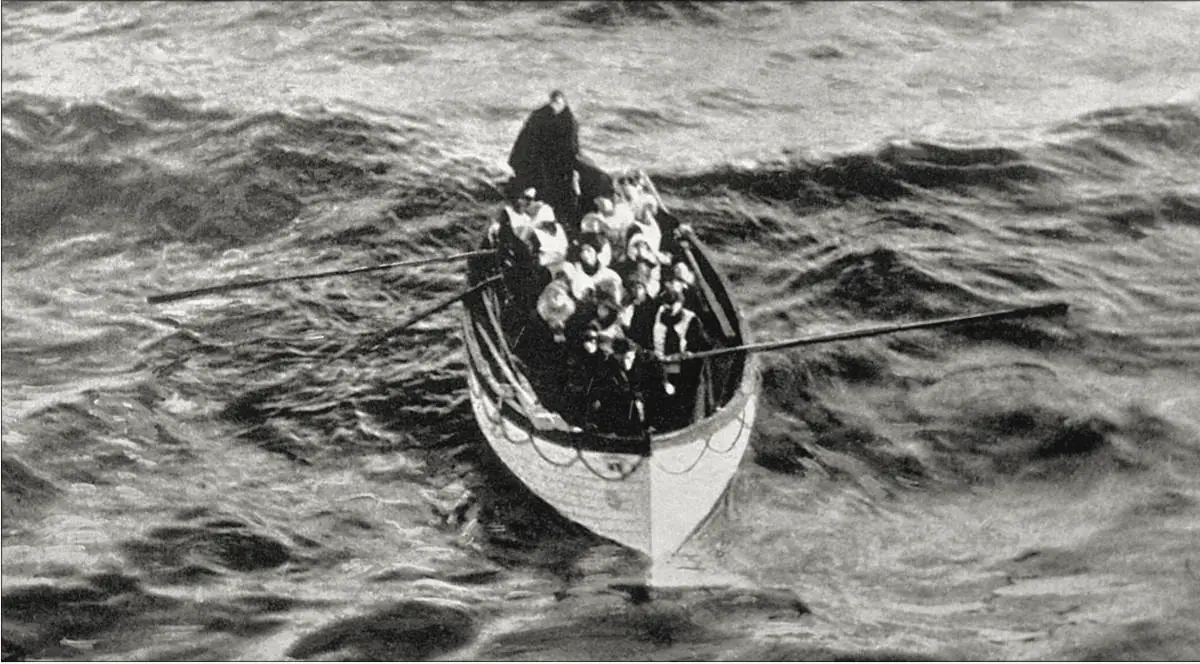
Survivors in the boats are picked up by the Carpathia; the Senate report later records 706 saved.
The British Wreck Commissioner's court signs its report, finding the loss due to collision with an iceberg brought about by excessive speed.
The International Convention for the Safety of Life at Sea is signed at London.
A researched reconstruction for learning. These reasoning steps simplify a complex record; no score can capture the full history.
02 · The evidence
What does the record show?
Read each exhibit before settling on an explanation. The source links below every exhibit lead to the record behind it.
Exhibits reviewed 0 of 5
Warnings that reached the bridge
The US Senate report says ice warnings were received by the wireless operators on the third day out, and that at least three reached the commander directly on the day of the accident. The Baltic's warning about noon placed icebergs close to the track. The report concluded that the warnings were not followed by a change of speed or a larger lookout. This is the Senate's reading of the record, not a neutral one.
Source record s1titanicinquiry.org
Speed in the British record
The British inquiry says the passage was made at high speed, though not at the ship's maximum, and that speed was never reduced until collision was unavoidable. Officers' estimates of about 22 knots are cited, with engines running at 75 revolutions. The Senate report describes the speed just before the collision as the ship's maximum for the voyage, not less than 21 knots. The two inquiries disagree on that specific point.
Source record s2titanicinquiry.org
Boats provided and boats filled
The Senate report says the vessel was provided with lifeboats for 1,176 persons, while only 706 were saved. Only a few lifeboats were fully loaded, while others were partly filled, and some were loaded from the boat deck and some from A deck. This shows unused capacity. It does not by itself explain why the boats were filled as they were.
Source record s3titanicinquiry.org
The formal finding
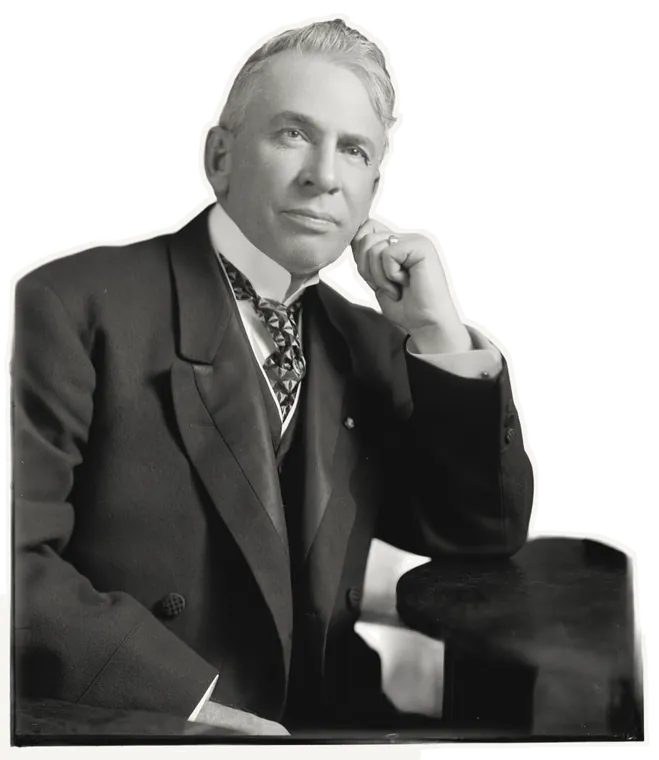
The British Wreck Commissioner's court, dated 30 July 1912, found that the loss was due to collision with an iceberg, brought about by the excessive speed at which the ship was being navigated. The finding is signed by Lord Mersey as Wreck Commissioner, with assessors. It states the cause; it does not reconstruct each officer's decision.
Source record s4titanicinquiry.org
A rule for boat accommodation
Article 40 of the 1914 convention states that at no moment of its voyage may a ship have on board a total number of persons greater than that for whom accommodation is provided in the lifeboats and pontoon life-rafts. The text is signed at London on 20 January 1914. It sets a principle tied to people aboard. The same convention also provides for an ice-observation service in the North Atlantic (checked in the French text), which this case does not analyse.
Source record s5archive.org
03 · Your reasoning
Follow the strongest explanation.
Choose an interpretation, then compare it with the evidence. You can revise your choice. The goal is understanding, not a perfect score.
04 · The findings
The chain behind the outcome.
Your notebook
Case report
Next in history & systems: Wrong side of the Narrows
The record shows three failures that combined. First, ice warnings reached the bridge. The US Senate report describes several messages, at least three reaching the commander on the day, and judges that the response did not reduce speed or increase the lookout. The British court's finding placed the cause in collision with an iceberg brought about by excessive speed. Second, the speed itself. The British inquiry describes a high speed that was never reduced until collision was unavoidable, with officers estimating about 22 knots. The Senate report describes the speed as the ship's maximum for the voyage. The two accounts agree that the speed was high and disagree on whether it was the top speed.
Third, the boats. The vessel was provided with places for 1,176 persons, but only 706 were saved, and only a few boats were fully loaded. The lifeboat numbers therefore show a provision problem and a loading problem. The 1914 convention responded at the level of principle: a ship may not carry more persons than the boat accommodation provided.
What the record does not establish is a counterfactual. Whether a slower speed, a different course or different loading would have prevented the sinking is not proved by these documents. The defensible conclusion is narrower: warnings were received without a change in speed, and the arrangements meant that the boats did not reach their recorded capacity.
Contributing causes and conditions
- Ice warnings from several ships reached the bridge on 14 April, including one from the Baltic about noon.
- The ship kept a high speed in the ice field, and the lookout was not increased, according to the Senate report.
- The collision with an iceberg, which the British court found was brought about by excessive speed.
- Boat provision was far below the number aboard, and many boats were only partly filled when lowered.
- The 1914 convention later set a principle that boat accommodation must match the persons aboard.
OutcomeRMS Titanic
Take the method with you
- A warning that is received is not the same as a warning that changes behaviour.
- Two authoritative inquiries can agree on a conclusion and still differ on a key fact, so check the specific claim.
- Capacity on paper matters less than the procedure that uses it.
You can read findings at any time. Exploring every reasoning step marks this case as complete in your notebook.
The open record
Sources & further reading
Read the original record and its scope before relying on a conclusion. Source references support the exhibit summaries; Faultory’s reasoning prompts are editorial reconstructions.
- s1US Senate Inquiry - Report, ice warnings and speed (Titanic Inquiry Project)
www.titanicinquiry.org
- s2British Wreck Commissioner's Inquiry - Speed of the Ship (Titanic Inquiry Project)
www.titanicinquiry.org
- s3US Senate Inquiry - Capacity of Lifeboats not Utilized (Titanic Inquiry Project)
www.titanicinquiry.org
- s4British Wreck Commissioner's Inquiry - Final Report (Titanic Inquiry Project)
www.titanicinquiry.org
- s5
Written and curated for Faultory by Yunus Emre Vurgun, with AI-assisted research and drafting. Sources and interpretations can need correction. Read our editorial standards or report an issue.
From the journal
Field notes that use this case
Keep investigating