Your browser cannot save progress right now. You can still investigate; keep this tab open or enable local storage to save.
This case has been updated. Compatible choices are kept; revisit the evidence before drawing your conclusion.
01 · The briefing
Begin with the question.
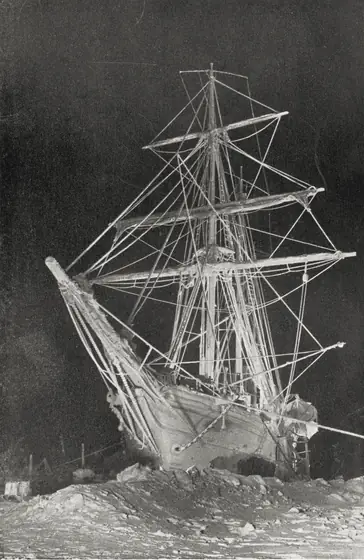
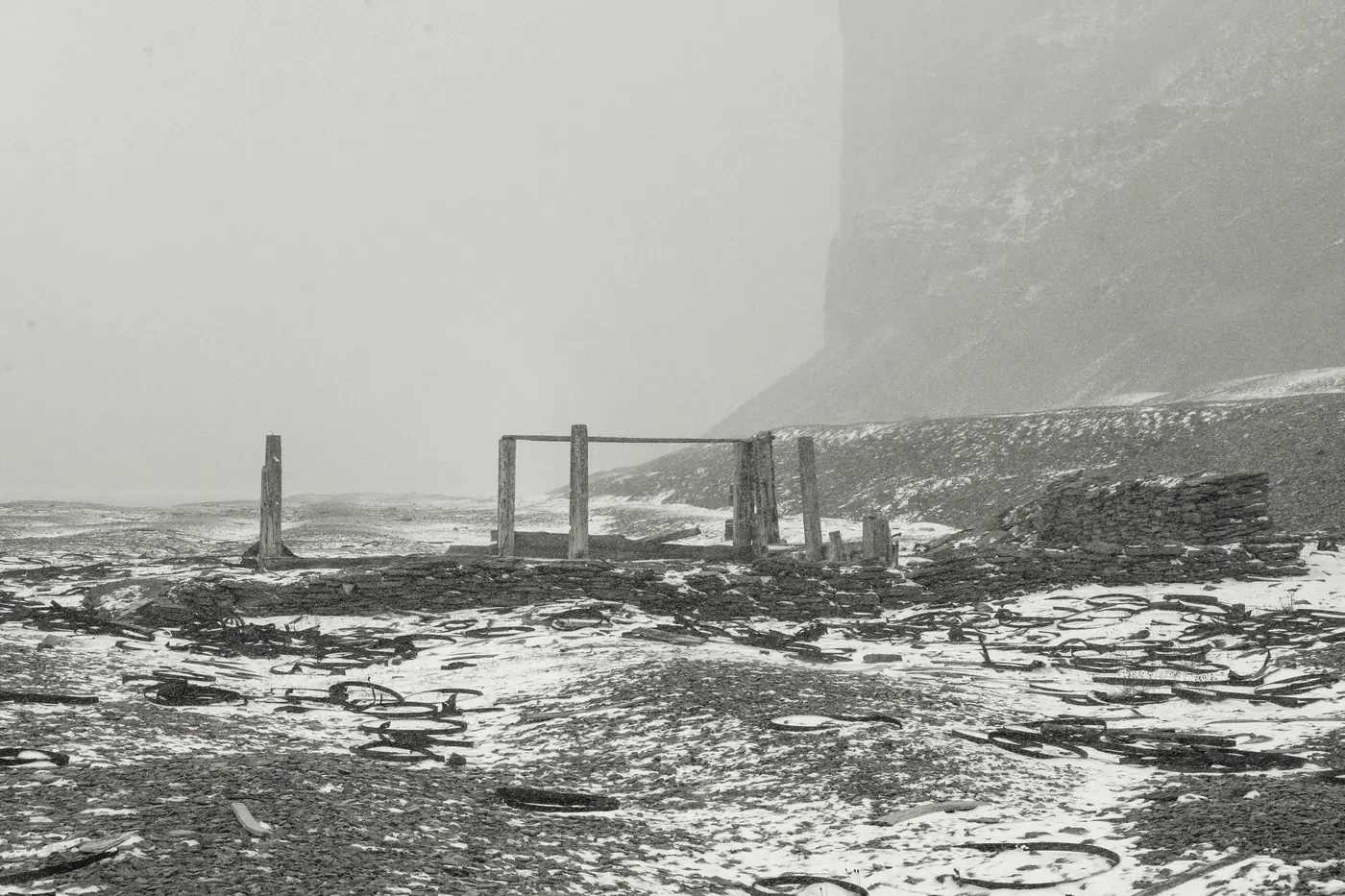
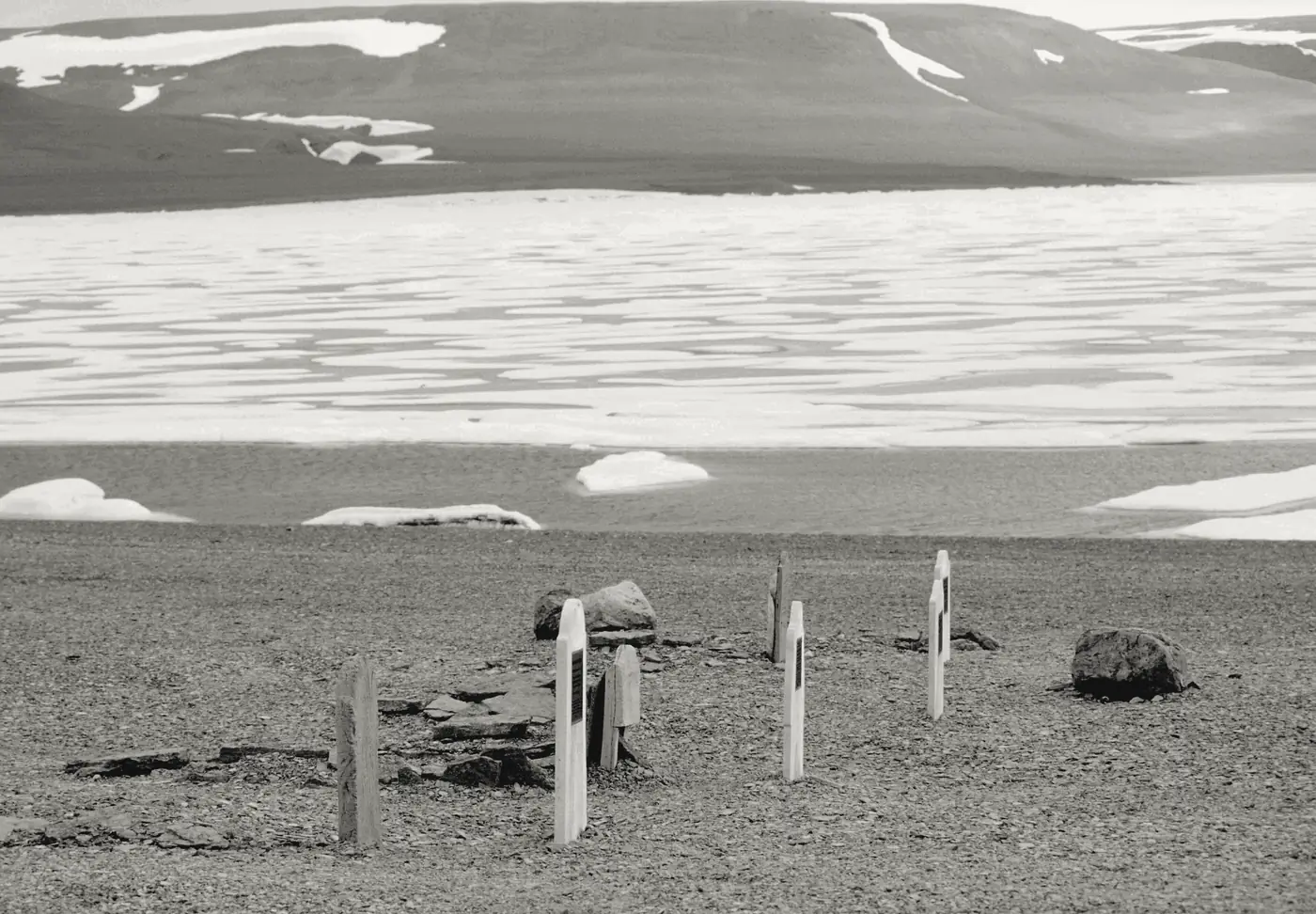
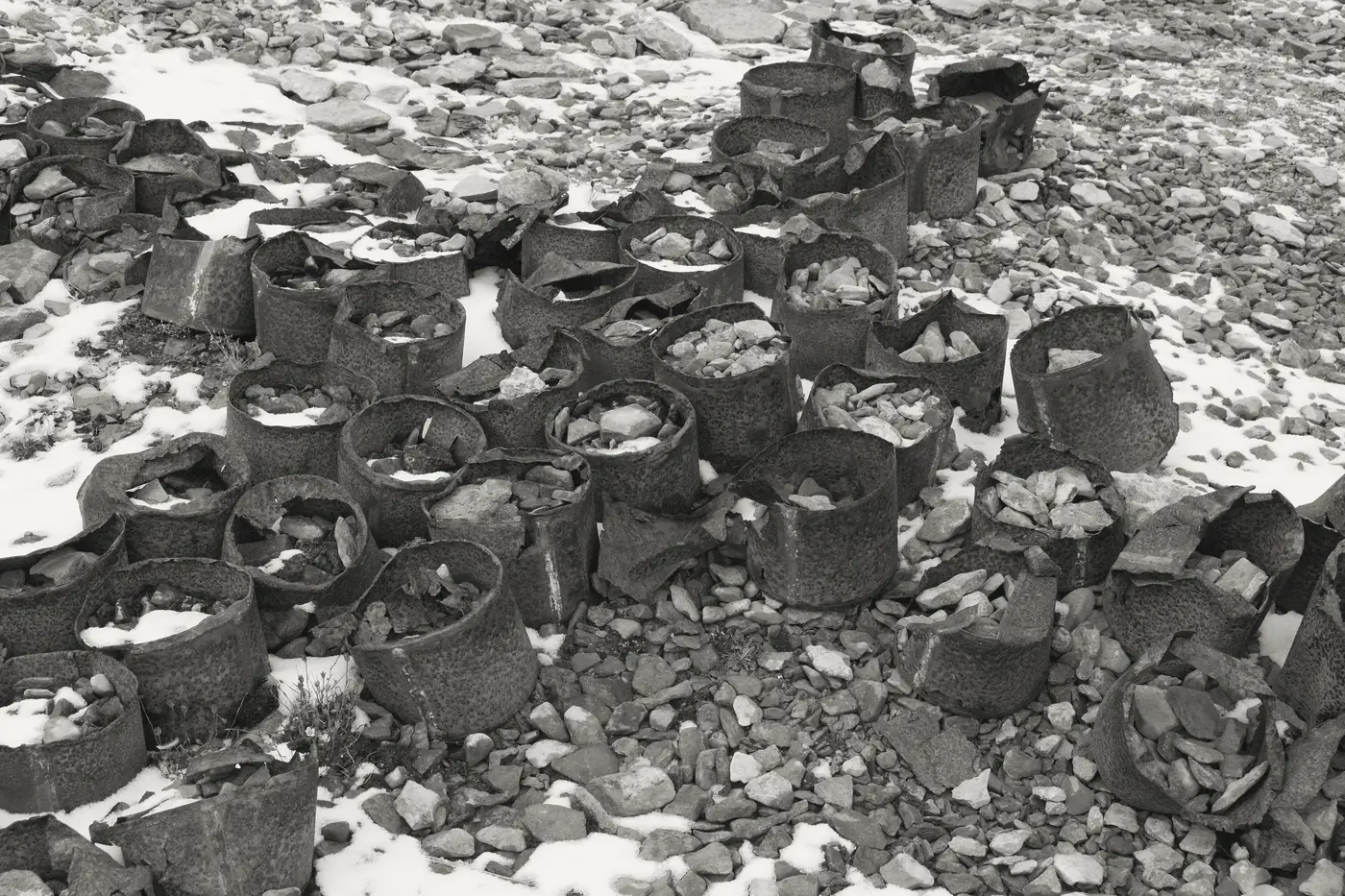
In May 1845, the Royal Navy sent HMS Erebus and HMS Terror from the Thames under Sir John Franklin to complete the search for a Northwest Passage. The ships carried three years of provisions, and Parks Canada records more than 8,000 cans among them. The expedition wintered at Beechey Island in 1845–46, where three crew members died and were buried. The ships were trapped in ice off King William Island from September 1846 and were abandoned in April 1848, when the survivors set out to the south. Franklin himself had died on board in June 1847. No member of the expedition is known to have survived. Several explanations have been proposed. Lead poisoning from the solder used to seal the tins has attracted the most attention, because elevated lead was measured in remains exhumed in the 1980s. Scurvy is supported by descriptions of bleeding gums, loose teeth and bruising among the crew in their last months. Starvation, cold, exhaustion and disease have also been offered, and a single cause may not fit every death. Your investigation asks what each line of evidence can show: the chemistry of the bones, the surviving documents, the wrecks found in 2014 and 2016, and the limits of any single body of data. Men who died at different places and times may not have died of the same cause.
The timeline
HMS Erebus and HMS Terror leave the Thames under Sir John Franklin.
Three crew members die during the winter at Beechey Island and are buried there.
The ships become trapped in ice off the northwest coast of King William Island.
Sir John Franklin dies on board HMS Erebus.
The surviving crew abandon the ships, according to a record signed by Crozier and Fitzjames.
Beattie's team returns in 1984 and 1986 to examine and exhume expedition remains, and reports elevated lead in bone and hair.
Parks Canada-led searches locate HMS Erebus (September 2014) and HMS Terror (September 2016).
A researched reconstruction for learning. These reasoning steps simplify a complex record; no score can capture the full history.
02 · The evidence
What does the record show?
Read each exhibit before settling on an explanation. The source links below every exhibit lead to the record behind it.
Exhibits reviewed 0 of 5
Provisions in sealed tins
Parks Canada's food page records that the expedition sailed with enough provisions for three years, including more than 8,000 cans. It describes a diet that was relatively monotonous, centred on salt beef, pork and porridge. The page shows that canned food was central to the provisioning. It does not describe the solder on the cans or the crew's health, so any link to lead or deficiency has to come from other evidence.
Source record s1parks.canada.ca
Lead in exhumed remains
Bayliss, writing in the Journal of the Royal Society of Medicine, reports that the bones of expedition members had a lead content of about 228 parts per million, against 22 to 36 in a comparison group of Inuit remains. He judges the chemical evidence of lead poisoning to be almost certainly due to the solder used on the cans. That is an interpretation of the measurements, and the article does not establish how much lead each man absorbed.
Source record s4pmc.ncbi.nlm.nih.gov
Signs of scurvy at the end
Bayliss describes the crew at abandonment in April 1848. He reports that nine officers and fifteen men had fallen ill and died during the winter of 1847–48, and that survivors had bleeding gums, loose teeth, bruising and breathlessness, which he calls highly suggestive of scurvy. He argues that the decision to abandon the ships was probably related to the poor health of the men rather than to a lack of food. These are clinical descriptions, not a diagnosis.
Source record s4pmc.ncbi.nlm.nih.gov
A bone study that tests the lead hypothesis
Swanston and colleagues (2018, PLOS ONE) used synchrotron X-ray fluorescence to map lead within bone and tooth microstructure, comparing crew members with a 19th-century Royal Navy sample. They found lead in features formed near the time of death, but no consistent, marked elevation and no unusual exposure for the period. Their conclusion is that lead does not appear to have played a pivotal role, although they note that questions remain about the timing and degree of exposure.
Source record s5doi.org
The wrecks
Parks Canada reports that HMS Erebus was located in September 2014, about 80 kilometres south of King William Island, and HMS Terror in September 2016 in Terror Bay. The wrecks fix where the two ships ended and are consistent with the account of their abandonment. They do not reveal what killed the crew, and Parks Canada credits Inuit knowledge and oral testimony with making the discoveries possible.
Source record s3parks.canada.ca
03 · Your reasoning
Follow the strongest explanation.
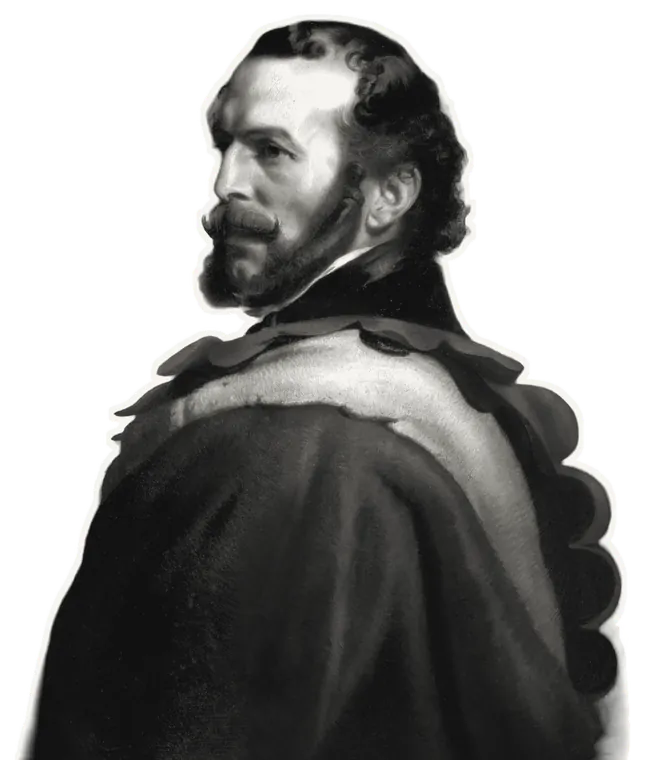
Choose an interpretation, then compare it with the evidence. You can revise your choice. The goal is understanding, not a perfect score.
04 · The findings
The chain behind the outcome.
Your notebook
Case report
Next in history & systems: The dam that could not spill
The best-supported picture is a sequence of pressures rather than one cause. The expedition sailed with large stores of canned and salted food, and the cans were sealed with solder containing lead. The ships were trapped in ice from September 1846, and the survivors who abandoned them in April 1848 were in poor health. The record of that final decision, attributed to Crozier and Fitzjames, and the clinical description of bleeding gums, loose teeth and bruising point towards scurvy and general decline rather than a single poisoning. Lead is the hypothesis with the most debate. Exhumations in the 1980s found elevated lead in some remains, and Bayliss judged the chemistry almost certainly due to can solder. The 2018 study, using high-resolution X-ray fluorescence on bone and tooth microstructure, found lead in features formed near the time of death but no consistent marked elevation and no unusual exposure for the period. Its authors conclude that lead does not appear to have played a pivotal role, while acknowledging unresolved questions about timing and degree. On current evidence lead may have added to illness, but it is not supported as the main cause. The wrecks of Erebus (2014) and Terror (2016) fix where the ships ended, but they do not show what killed the men. The safest conclusion is that provisioning, ice, poor health and the decision to abandon the ships combined into a catastrophic sequence. The relative weight of these factors remains uncertain, and no single line of evidence, whether bone chemistry, documents or wrecks, can be read as a final verdict.
Contributing causes and conditions
- Three years of provisions, heavily reliant on canned and salted food.
- A winter at Beechey Island in 1845–46, where three men died.
- Ships trapped in ice from September 1846 until they were abandoned in April 1848.
- Poor health and symptoms suggestive of scurvy among the crew in their last months.
- A march south from the ships, with lead from can solder a possible but disputed contributor.
OutcomeFranklin expedition
Take the method with you
- A high measurement in one sample shows exposure in one person, while a causal claim needs dose, timing and a comparison group.
- A clinical description such as bleeding gums is a sign to be weighed, not a diagnosis that can be read off a historical record.
- Where an argument has been contested for decades, state what each line of evidence can show and avoid a verdict the data cannot support.
You can read findings at any time. Exploring every reasoning step marks this case as complete in your notebook.
The open record
Sources & further reading
Read the original record and its scope before relying on a conclusion. Source references support the exhibit summaries; Faultory’s reasoning prompts are editorial reconstructions.
- s1
- s2
- s3
- s4
- s5
Written and curated for Faultory by Yunus Emre Vurgun, with AI-assisted research and drafting. Sources and interpretations can need correction. Read our editorial standards or report an issue.
Keep investigating